Picture this: I was standing in my tiny kitchen, the oven humming like a lazy cat, and a half‑cooked salmon fillet stared back at me with the kind of sad, rubbery glare that only a culinary disaster can produce. I had promised my friends a “fancy dinner” after a long week of Zoom meetings, and the only thing I could think of to rescue the night was a miracle sauce that would turn that bland fish into a show‑stopping masterpiece. I tossed a lemon into the fridge, grabbed the butter from the freezer, and whispered a dare to myself—“I bet you can’t make a sauce that coats this salmon like velvet while keeping the fish tender enough to fall apart at the slightest touch.” Spoiler alert: I won, and the sauce still haunts my taste buds.
The moment the butter hit the pan, a golden‑brown perfume erupted, mingling with the sharp, citrusy zing of lemon zest and the earthy perfume of fresh dill. My kitchen filled with the kind of aroma that makes you pause, inhale deeply, and feel a tiny shiver of anticipation run down your spine. You could hear the gentle sizzle, a sound that promised caramelized edges and a buttery richness that would cling to every crevice of the salmon. As the sauce thickened, it shimmered like liquid sunshine, inviting you to dip a spoon in and watch it swirl in slow motion.
What makes this version truly stand out is the balance of flavors and textures that most recipes completely miss. Most baked salmon ends up dry, with a sauce that either slides off or turns greasy. Not this one. By searing the fillets just enough before they hit the oven, we lock in moisture, and the lemon‑butter‑cream sauce creates a silk‑smooth coating that stays glued to the fish, delivering a buttery punch with a bright citrus snap every single bite. And the secret? A splash of heavy cream that turns the sauce into a luxurious glaze without drowning the delicate fish.
Now, I’m about to reveal a technique that will make you look at your pantry differently: the “cold butter melt.” It’s a simple trick where you chill the butter just enough so it emulsifies perfectly with the hot pan, giving you that glossy, restaurant‑level finish. Trust me, once you try it, you’ll never go back to melting butter the old way. I dare you to taste this and not go back for seconds. Let me walk you through every single step — by the end, you’ll wonder how you ever made it any other way.
What Makes This Version Stand Out
- Flavor Explosion: The lemon‑butter‑cream sauce delivers a bright, buttery tang that cuts through the richness of the salmon, creating a harmonious dance on the palate.
- Texture Perfection: The fish stays moist and flaky, while the sauce forms a glossy, velvety coat that clings like a second skin.
- Simplicity: Only ten core ingredients, all pantry‑friendly, yet the result feels like a five‑star restaurant plate.
- Unique Technique: The cold‑butter melt ensures an emulsified sauce that never separates, a trick most recipes overlook.
- Crowd‑Pleaser: Even the pickiest eaters rave, often asking for the recipe before the main course is even finished.
- Ingredient Quality: Fresh salmon, real lemon zest, and high‑fat butter are the non‑negotiables that elevate the dish.
- Cooking Method: A quick sear followed by a gentle bake guarantees even cooking without over‑drying.
- Make‑Ahead Potential: You can prep the sauce up to a day ahead; just reheat gently and you’re good to go.
Inside the Ingredient List
The Flavor Base
Fresh Lemon Zest & Juice: The zest provides aromatic oils that burst with citrus intensity, while the juice adds a sharp acidity that balances the butter’s richness. Skipping the zest would make the sauce flat, like a song missing its chorus. If lemons are out of season, try a splash of Meyer lemon juice for a sweeter twist.
Garlic (3 cloves, minced): Garlic brings depth and a subtle heat that rounds out the bright lemon. Too much garlic can dominate, so stick to the three cloves. If you’re sensitive, try roasted garlic for a milder, sweeter note.
The Texture Crew
Unsalted Butter (¼ cup): Butter is the backbone, creating that luxurious mouthfeel. Use unsalted so you can control the salt level precisely. If you’re dairy‑free, a good quality ghee works, though you’ll lose a bit of the sauce’s silkiness.
Heavy Cream (½ cup): The cream thickens the sauce into a velvety glaze without curdling. Skim milk will thin it out, while half‑and‑half can work in a pinch but won’t be as indulgent.
The Unexpected Star
Fresh Dill (1 tbsp, chopped): Dill adds an herbaceous freshness that cuts through the butter, preventing the dish from feeling heavy. If you don’t have dill, parsley or tarragon can substitute, each giving a distinct character.
Red Pepper Flakes (pinch): A tiny pinch awakens the palate with a subtle heat that makes the sauce sing. Omit if you prefer a purely mellow profile, but you’ll miss that lingering warmth.
The Final Flourish
Olive Oil (2 tbsp): Used for searing the salmon, it creates a crisp outer layer that locks in juices. Choose extra‑virgin for flavor, but a neutral oil works if you’re watching the taste.
Salt & Pepper: Simple seasonings that amplify every other flavor. Salt to taste, but remember the butter already brings some saltiness—taste before you add more.
Everything's prepped? Good. Let's get into the real action...
The Method — Step by Step
Preheat your oven to 400°F (200°C). While the oven warms up, pat the salmon fillets dry with paper towels. This is crucial because moisture on the surface will steam the fish instead of giving you that coveted crispy edge. Sprinkle both sides with salt and freshly ground black pepper, then drizzle the olive oil over each fillet, ensuring an even coat. Let the seasoned fillets rest for five minutes—this short pause allows the salt to start breaking down the proteins, which leads to a more tender bite.
Kitchen Hack: Use a silicone brush to spread the oil; it prevents over‑coating and ensures every nook of the fillet gets a thin, even layer.Heat a large oven‑safe skillet over medium‑high heat. Add a splash of olive oil—just enough to coat the bottom. When the oil shimmers, gently lay the salmon skin‑side down (if it has skin). Hear that sizzle? That’s the sound of flavor being locked in. Cook for 3‑4 minutes without moving the fish; the edges will start to turn opaque and the skin will crisp up. Resist the urge to flip early—this is where the magic of a firm, golden crust begins.
While the salmon sears, melt the butter in a separate saucepan over medium heat. As soon as it foams, add the minced garlic. Cook for about 30 seconds, just until fragrant—watch closely, because garlic can go from aromatic to bitter in a heartbeat. This is the moment where the sauce starts to build its flavor foundation.
Watch Out: If the garlic browns too quickly, it will impart a burnt taste that overpowers the delicate lemon.Now, the secret weapon: add the heavy cream to the butter‑garlic mixture. Stir continuously; the sauce will thicken within a minute, turning a pale ivory shade. This is the “cold butter melt” in action—because the butter was chilled, it emulsifies smoothly, giving the sauce that glossy sheen you’ve been dreaming of.
Stir in the lemon zest, lemon juice, and a pinch of red pepper flakes. The sauce should start to bubble gently, releasing a citrusy perfume that fills the kitchen. Taste and adjust the seasoning with a little more salt if needed. Remember, the sauce will mellow slightly as it bakes, so err on the side of bright.
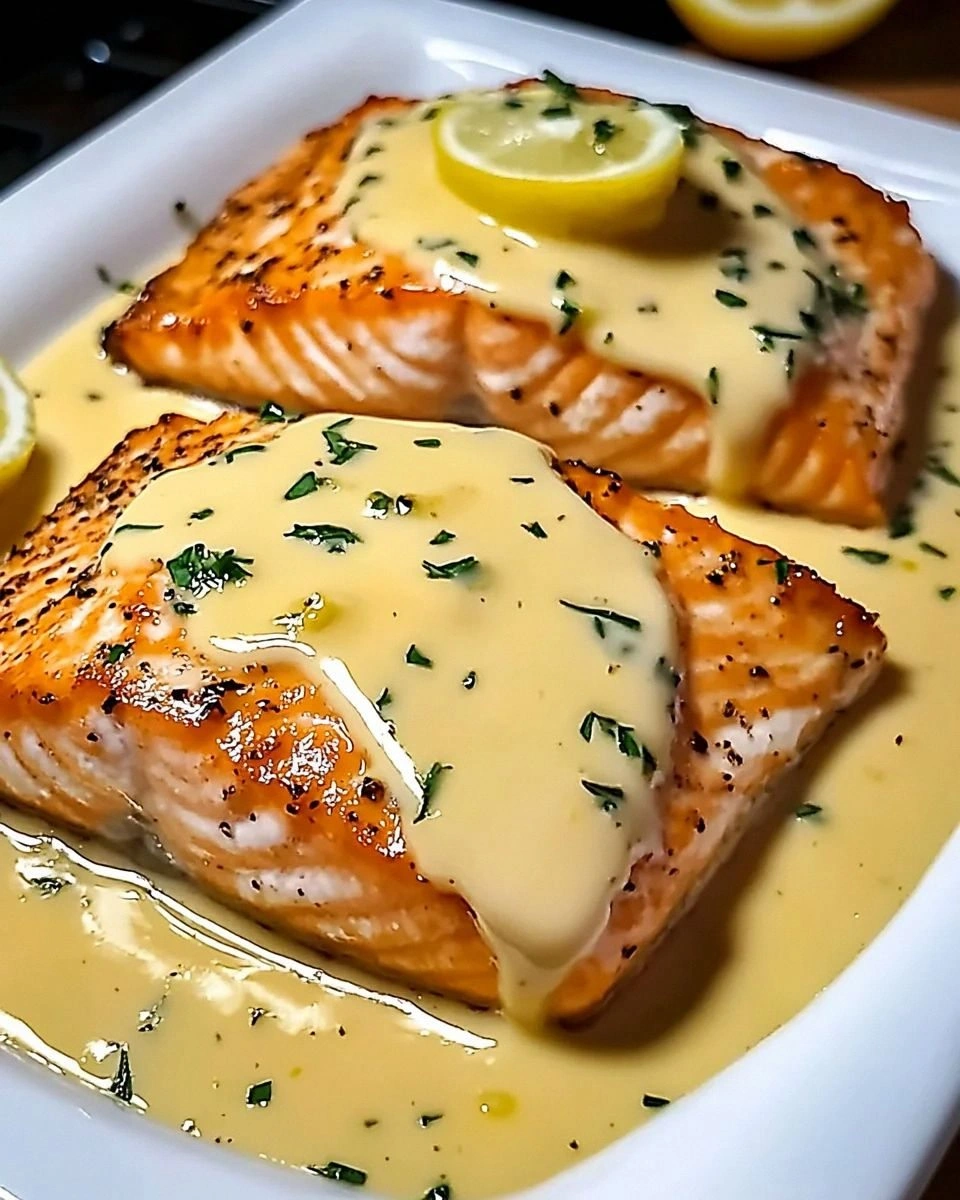
Transfer the skillet with the seared salmon into the preheated oven. If your pan isn’t oven‑safe, carefully move the fillets onto a lined baking sheet and spoon the sauce over them. Bake for 8‑10 minutes, or until the internal temperature reaches 125°F (52°C) for medium‑rare or 135°F (57°C) for a firmer bite. The sauce will bubble around the fish, creating a caramelized rim that looks like a golden halo.
While the salmon finishes, toss the chopped dill and parsley into the remaining sauce in the pan. The herbs will wilt just enough to release their fragrance without losing their bright color. This final herb infusion is what keeps the dish from feeling heavy; it adds a fresh, garden‑like lift.
Remove the salmon from the oven and let it rest for three minutes. This short rest lets the juices redistribute, ensuring each bite is moist. Drizzle the remaining sauce over the fillets, letting it cascade down the sides like a buttery waterfall.
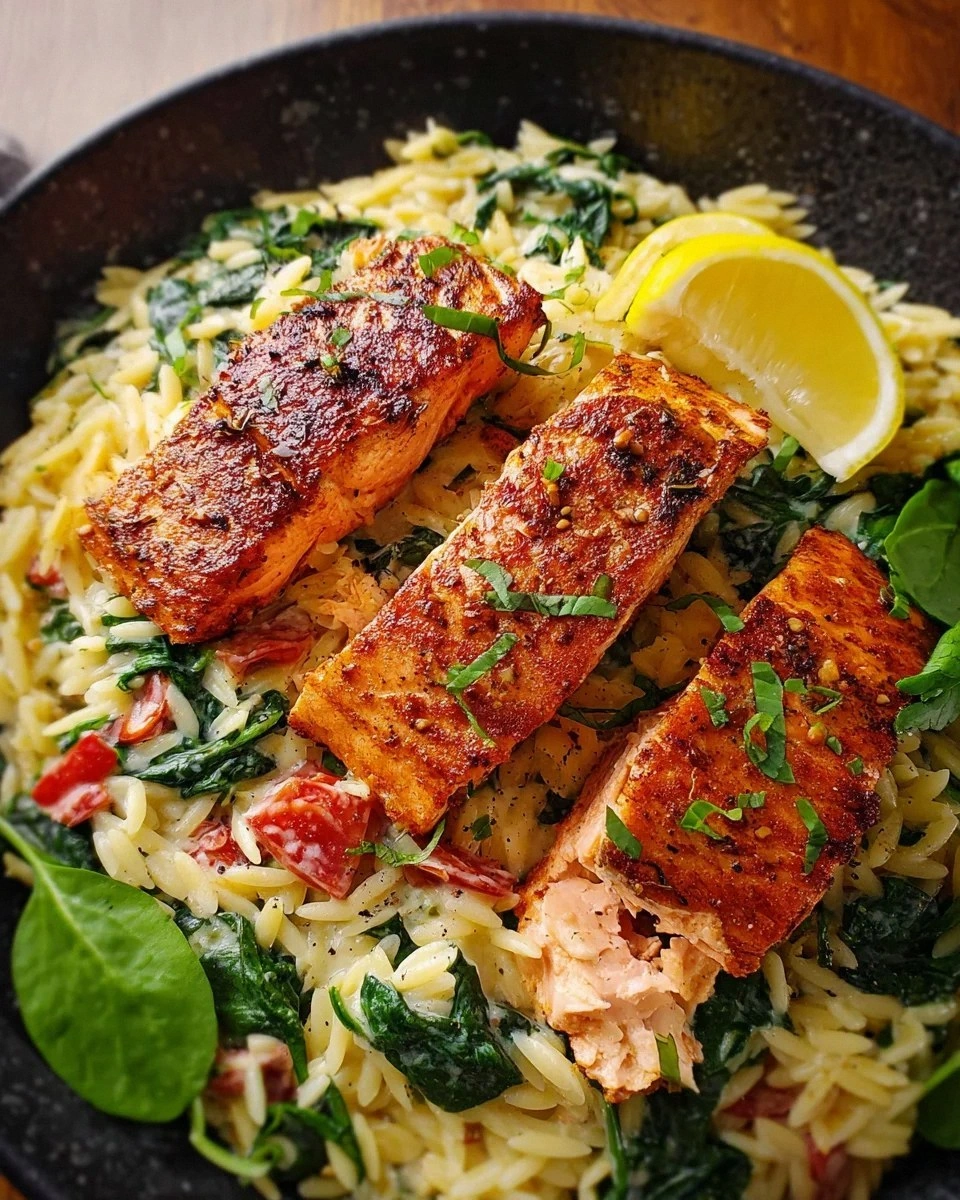
Plate the salmon on a warm serving dish, garnish with an extra lemon wedge and a sprinkle of fresh herbs. Serve immediately with your favorite side—perhaps roasted asparagus or a fluffy quinoa pilaf. That final visual? A glossy, lemon‑kissed masterpiece that practically begs to be photographed.
Kitchen Hack: Warm your serving plates in the oven for 2 minutes before plating; this keeps the salmon hot longer and prevents the sauce from cooling too fast.
That's it — you did it. But hold on, I've got a few more tricks that'll take this to another level...
Insider Tricks for Flawless Results
The Temperature Rule Nobody Follows
Most home cooks bake salmon at 425°F, thinking higher heat equals faster cooking. In reality, 400°F gives you a gentle, even rise that preserves the delicate flesh while still achieving a caramelized top. I once tried 450°F and ended up with a burnt crust and a dry interior—lesson learned. Keep the oven at 400°F and trust the timing; the fish will thank you.
Why Your Nose Knows Best
Before you even touch the sauce, let your nose do the tasting. When the lemon zest releases its oils, you’ll notice a bright, almost floral scent that signals the sauce is ready to emulsify. If the aroma feels muted, give the sauce another 30 seconds; the flavors need that extra time to marry.
The 5‑Minute Rest That Changes Everything
After the oven, let the salmon rest uncovered for exactly five minutes. This short pause lets the muscle fibers relax, preventing the dreaded “dry edge” that many experience. During this rest, the sauce continues to thicken slightly, creating a glossy glaze that clings perfectly.
Butter Temperature Trick
Keep the butter in the fridge until just before you melt it. The cold butter emulsifies better with the hot pan, creating a sauce that doesn’t separate. If you melt butter straight from the pantry, you’ll often end up with a greasy layer that sits on top of the sauce.
Seasoning Layers for Depth
Season the salmon twice: first before searing, then a light sprinkle of flaky sea salt right after it comes out of the oven. This double‑layering builds depth without overwhelming the palate. A friend once skipped the post‑oven salt and complained the dish was “flat”; the extra sprinkle adds that final pop.
Choosing the Right Pan
Use a heavy‑bottomed, oven‑safe skillet (cast iron or stainless steel). Thin pans cause hot spots, leading to uneven cooking and a sauce that can scorch. A heavy pan distributes heat evenly, ensuring the sauce stays silky and the salmon cooks uniformly.
Creative Twists and Variations
This recipe is a playground. Here are some of my favorite ways to switch things up:
Spicy Chipotle Kick
Swap the lemon zest for a teaspoon of chipotle powder and add a drizzle of adobo sauce to the butter mixture. The smoky heat pairs surprisingly well with the buttery salmon, turning the dish into a bold, smoky‑sweet experience.
Coconut Curry Fusion
Replace heavy cream with coconut milk, add a tablespoon of red curry paste, and garnish with fresh cilantro. This variation takes the dish to a tropical island vibe, perfect for summer evenings.
Herbaceous Basil Bliss
Use fresh basil instead of dill, and finish with a handful of pine nuts toasted in olive oil. The nutty crunch and sweet basil aroma create a Mediterranean twist that feels both light and indulgent.
Wine‑Infused Elegance
Deglaze the pan with a splash of dry white wine after the garlic softens, then proceed with the cream. The wine adds acidity and depth, making the sauce richer without extra butter.
Nut‑Free Almond Crust
Press a mixture of almond flour, grated Parmesan, and a dash of smoked paprika onto the salmon before baking. This creates a crunchy, nutty crust that adds texture contrast while keeping the dish gluten‑free.
Storing and Bringing It Back to Life
Fridge Storage
Place any leftovers in an airtight container within two hours of cooking. The sauce may thicken as it cools; simply reheat gently on the stovetop, adding a splash of water or extra cream to restore its silky texture. It stays fresh for up to three days.
Freezer Friendly
Separate the salmon from the sauce before freezing. Wrap the fillets tightly in parchment paper, then place them in a zip‑top bag. Store the sauce in a freezer‑safe jar. Both components freeze well for up to two months. Thaw overnight in the fridge, then gently reheat the sauce and pour over the salmon.
Best Reheating Method
Use a low‑heat skillet, adding a teaspoon of water or extra cream to the sauce as you warm it. This creates steam that revives the sauce’s gloss without scorching. Avoid microwaving, which can cause the butter to separate and the fish to dry out.