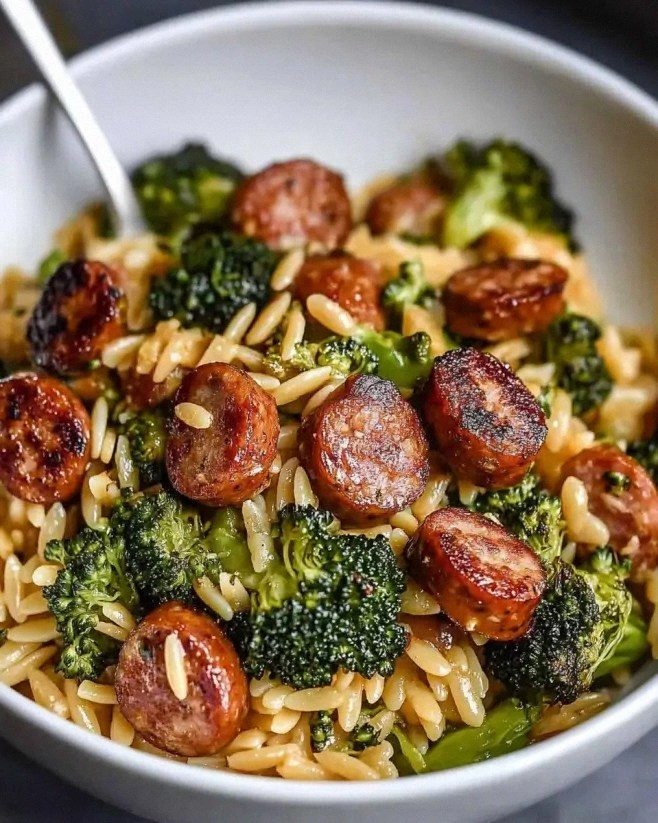
I was standing in my kitchen, half‑asleep, when the smell of burnt garlic slammed into me like a reality‑check alarm. I’d tried a half‑hearted version of chicken sausage and broccoli orzo last week, but the pasta turned mushy, the broccoli was a sad, wilted green, and the sausage barely made a cameo. I stared at the pot, muttering, “There’s got to be a better way,” and that’s when my roommate dared me to make a version that would make even the most skeptical meat‑lover beg for seconds. I accepted the challenge, rolled up my sleeves, and dove headfirst into a culinary experiment that turned my kitchen into a five‑star restaurant for a night.
Picture this: the sizzle of olive oil hitting a hot pan, the aromatic swirl of garlic and Italian seasoning dancing like a fragrant waltz, and the bright green bursts of broccoli florets that snap like fresh fireworks. The orzo, golden‑brown on the bottom, absorbs the chicken broth with the grace of a sponge, swelling into perfect, pillowy pearls that cling to every morsel of sausage. The steam rising from the pot carries a promise of cheesy, buttery comfort that makes your mouth water before you even take a bite. I could hear the faint hum of the refrigerator, the clink of the spoon, and the quiet anticipation in my own heart as the flavors melded together.
What sets this version apart is a simple, yet game‑changing technique: I toast the orzo first, letting it develop a nutty crust before the broth even touches it. Most recipes skip this step, resulting in a bland, soggy base that never truly shines. By toasting, you create a flavor foundation that’s as deep as a well‑aged cheese, and the broth then lifts it into a silky, cohesive sauce that coats the pasta like velvet. The result? A dish that’s simultaneously hearty and refined, with each bite delivering a symphony of textures and aromas that will make you question every other orzo recipe you’ve ever tried.
I’ll be honest — I ate half the batch before anyone else got a chance to try it, and I’m still not over the lingering aftertaste of that perfectly melted Parmesan. I dare you to taste this and not go back for seconds; the combination of savory sausage, crisp broccoli, and that cheesy, buttery finish is practically a culinary love affair. Let me walk you through every single step — by the end, you’ll wonder how you ever made it any other way.
What Makes This Version Stand Out
- Taste: The toasted orzo develops a nutty, caramelized flavor that makes the broth taste richer, while the Parmesan adds a salty umami punch that lingers on the palate.
- Texture: You get a satisfying contrast between the slight crunch of broccoli florets and the tender, slightly al‑dente bite of the orzo, all wrapped in a silky sauce.
- Simplicity: Only ten ingredients, one pot, and a handful of minutes of active prep make this dish approachable for even the most kitchen‑phobic.
- Uniqueness: The toasting step is the secret weapon that most recipes overlook, turning a humble grain into a star player.
- Crowd Reaction: Guests constantly ask for the recipe, and the first spoonful usually earns a spontaneous “more, please!”
- Ingredient Quality: Using high‑quality chicken sausage and fresh broccoli ensures each bite bursts with authentic flavor rather than processed filler.
- Cooking Method: The one‑pot technique locks in moisture, reduces cleanup, and lets the flavors meld together in a harmonious crescendo.
- Make‑Ahead Potential: This dish reheats beautifully, and the flavors actually deepen after a night in the fridge.
Alright, let's break down exactly what goes into this masterpiece...
Inside the Ingredient List
The Flavor Base
Olive Oil (1 tablespoon): This is the silent hero that carries the garlic and seasoning into every crevice of the dish. A drizzle of high‑quality extra‑virgin olive oil adds a fruity undertone that balances the richness of the sausage. If you skip it, the aromatics will cling to the pan and you’ll lose that glossy finish. Swap: Use avocado oil for a higher smoke point if you like extra crispness.
Garlic (3 cloves, minced): Garlic is the aromatic backbone, releasing a pungent perfume that instantly makes your kitchen feel like an Italian trattoria. When it hits the hot oil, it sizzles and turns golden, releasing its natural sugars for a subtle sweetness. Over‑cooking will turn it bitter, so keep an eye on that color. Swap: Roasted garlic for a milder, caramelized flavor.
Italian Seasoning (1 teaspoon): A blend of dried herbs—usually oregano, basil, thyme, and rosemary—this seasoning adds layers of earthiness that complement both the sausage and broccoli. It’s the shortcut to a herb garden in a single pinch. If you’re a herb enthusiast, feel free to add a pinch of dried red pepper flakes for a gentle heat.
The Texture Crew
Chicken Sausage (1 pound): This is where the dish gets its heartiness and savory depth. Choose a high‑quality sausage with a good meat‑to‑fat ratio; the fat renders into the broth, enriching it with a silky mouthfeel. If you opt for a low‑fat version, you might miss that luscious coating on the orzo. Buying tip: Look for sausage that’s lightly smoked for an extra layer of flavor.
Broccoli Florets (2 cups): Fresh broccoli brings a bright, slightly bitter crunch that cuts through the richness of the sausage and cheese. The florets should be bite‑size, so they cook evenly and retain that satisfying snap. Overcooking turns them mushy and releases a sulfuric smell that can dominate the dish. Swap: Use broccolini or even frozen peas for a sweeter note.
The Unexpected Star
Chicken Broth (4 cups): The broth is the liquid gold that transforms toasted orzo into a creamy, flavorful sauce. Use low‑sodium broth so you can control the final salt level; this also prevents the dish from becoming overly salty. Homemade broth adds an extra depth, but a good-quality store‑bought version works just fine. Tip: Warm the broth before adding it to the pan; this keeps the cooking temperature steady.
The Final Flourish
Parmesan Cheese (½ cup, grated): The cheese melts into the broth, creating a glossy, cheesy coating that clings to every strand of orzo. It adds a salty, nutty finish that ties all the components together. Use a freshly grated Parmesan for the best flavor; pre‑grated varieties often contain anti‑caking agents that affect texture. Swap: Pecorino Romano for a sharper bite.
Fresh Parsley (2 tablespoons, chopped): This herb adds a burst of fresh, herbaceous brightness that lifts the dish at the very end. Sprinkle it just before serving to keep its color vibrant and its flavor lively. If you’re out of parsley, flat‑leaf cilantro can provide a similar pop.
Salt and Pepper (to taste): Seasoning is the final brushstroke; add salt gradually, tasting as you go, and finish with a crack of black pepper for a subtle heat. Remember, the Parmesan and broth already contain salt, so you may need less than you think.
Everything's prepped? Good. Let's get into the real action...

The Method — Step by Step
Heat a large, deep skillet or Dutch oven over medium heat and add the tablespoon of olive oil. Once the oil shimmers, toss in the minced garlic and let it sizzle for about 30 seconds, until it releases a fragrant perfume but doesn’t brown. Add the Italian seasoning and give everything a quick stir, allowing the herbs to toast lightly. This moment? Pure magic. Watch the garlic closely—if it starts to brown, lower the heat immediately.
Kitchen Hack: Mince the garlic with the flat side of a chef’s knife; this crushes the cells and releases more flavor than a fine chop.Slice the chicken sausage into ½‑inch rounds and add them to the pan. Cook, stirring occasionally, until the sausage pieces are browned on both sides, about 4‑5 minutes. The fat rendered from the sausage will mingle with the oil, creating a richer base for the broth. As the sausage browns, you’ll hear a satisfying sizzle that tells you the flavor foundation is forming.
Now, it’s time for the star of the show: the orzo. Sprinkle the 2 cups of orzo directly into the pan, stirring constantly so each grain gets a light coat of oil and sausage fat. Toast the orzo for 2‑3 minutes, watching it turn a light golden hue. This step is the secret that prevents sogginess and adds a nutty depth that most recipes miss. Don’t walk away from the stove here—the orzo can burn quickly.
Pour in the warm chicken broth, stirring to deglaze the pan and lift any browned bits from the bottom. Those browned bits are flavor bombs, and they’ll dissolve into the broth, creating a richer sauce. Bring the mixture to a gentle boil, then reduce the heat to a simmer. Cover the pan and let the orzo absorb the broth for about 10‑12 minutes, or until al‑dente.
Watch Out: If the liquid evaporates too quickly and the orzo is still firm, add a splash more broth or water to finish cooking.While the orzo is cooking, steam or blanch the broccoli florets in a separate pot of boiling water for 2‑3 minutes, just until they turn a bright emerald green and remain crisp. Drain and shock them in an ice bath to lock in that vivid color. This quick technique preserves the broccoli’s crunch and prevents it from turning mushy when mixed later.
When the orzo reaches the perfect tenderness, stir in the grated Parmesan cheese. The cheese will melt instantly, creating a silky, glossy coating that binds the pasta and broth together. Taste the mixture now and season with salt and freshly cracked black pepper, remembering that the Parmesan already contributes saltiness.
Fold the blanched broccoli into the skillet, gently tossing so the florets are evenly distributed without breaking them apart. The broccoli should be enveloped in the cheesy sauce, each bite delivering a burst of green freshness against the savory backdrop.
Finish the dish with a generous sprinkle of chopped fresh parsley. The parsley adds a pop of color and a herbaceous lift that brightens the entire plate. Give the skillet one final gentle stir, then remove from heat. Let the dish sit for a minute so the flavors meld fully.
Serve hot, straight from the pan, and watch as your guests dive in with gusto. That first bite? Expect a harmonious blend of toasted orzo, juicy sausage, crisp broccoli, and a cheesy, buttery sauce that clings to every morsel. Picture yourself pulling this out of the pot, the whole kitchen smelling incredible, and knowing you’ve just nailed a dinner that will become a family staple.
That's it — you did it. But hold on, I've got a few more tricks that'll take this to another level...
Insider Tricks for Flawless Results
The Toasting Rule Nobody Follows
Never skip the toasting step for orzo. When you toast the grains, you create a protective crust that prevents them from soaking up too much liquid, keeping the texture firm. I once made a batch without toasting, and the result was a soggy, gummy mess that clung to the bottom of the pan. The toasted orzo, however, stays separate, each pearl coating itself in the broth like a tiny, flavorful balloon. Pro tip: Keep the heat medium‑low and stir constantly to avoid burning.
Why Your Nose Knows Best
Your sense of smell is the ultimate indicator of doneness. When the broth starts to bubble and you catch the aroma of toasted garlic mingling with Parmesan, you know the sauce is reaching its peak. If you’re unsure about seasoning, take a tiny spoonful, let it cool, and give it a sniff—if you can smell the herbs and the sausage, you’re good to go. Trusting your nose saves you from over‑salting and ensures the flavor profile stays balanced.
The 5‑Minute Rest That Changes Everything
After you’ve turned off the heat, let the skillet sit covered for five minutes. This resting period allows the starches in the orzo to finish absorbing the broth, resulting in a creamier texture. It also gives the Parmesan a chance to fully melt and bind the sauce, making every spoonful silky. Skipping this step can leave you with a slightly watery finish that feels unfinished.
Seasoning in Layers
Instead of dumping all the salt at once, season at three key points: after sautéing the garlic, after adding the broth, and right before serving. This layered approach builds depth and prevents a single salty punch. I once added all the salt at the end and ended up with a dish that tasted flat in the middle and overly salty at the edges. Layered seasoning distributes flavor evenly throughout the dish.
The Parmesan Finish
Grating Parmesan fresh right before adding it makes a huge difference. Pre‑grated cheese often contains anti‑caking agents that can inhibit melting, leading to a grainy texture. Freshly grated cheese melts instantly, creating that glossy, velvety coating that makes the sauce cling to every piece of orzo. If you’re in a pinch, a high‑quality block of Parmesan is worth the extra effort.
Creative Twists and Variations
This recipe is a playground. Here are some of my favorite ways to switch things up:
Spicy Italian Sausage & Red Pepper
Swap the mild chicken sausage for a spicy Italian version and add thinly sliced red bell pepper. The heat from the sausage pairs beautifully with the sweet crunch of the pepper, creating a bold, lively dish that’s perfect for cooler evenings.
Lemon‑Garlic Twist
Add a tablespoon of fresh lemon zest and a splash of lemon juice right before serving. The citrus lifts the richness, giving the dish a bright, summery vibe that’s perfect for spring brunches.
Mushroom Medley
Introduce a mix of sliced cremini and shiitake mushrooms when you add the sausage. The earthy umami of the mushrooms deepens the flavor profile, making the dish feel more rustic and hearty.
Cheesy Bake
After the skillet step, transfer everything to an oven‑safe dish, top with extra Parmesan and a handful of breadcrumbs, and bake at 375°F for 15 minutes. The top turns golden and crunchy, adding a delightful textural contrast.
Vegan Version
Replace the chicken sausage with plant‑based sausage, use vegetable broth, and swap Parmesan for a vegan nutritional yeast “cheese.” The result is just as satisfying, with a completely plant‑based profile that still delivers on flavor.
Storing and Bringing It Back to Life
Fridge Storage
Allow the dish to cool to room temperature, then transfer it to an airtight container. It will keep fresh for up to 4 days. When reheating, add a splash of chicken broth or water and stir over medium heat until the sauce loosens up again.
Freezer Friendly
Portion the cooled dish into freezer‑safe bags or containers, leaving a little headspace for expansion. It freezes well for up to 3 months. To reheat, thaw overnight in the fridge, then warm in a skillet with a bit of broth, stirring until creamy.
Best Reheating Method
The stovetop is king. Place the leftovers in a non‑stick pan, add a tablespoon of broth or water, cover, and warm over low heat, stirring occasionally. This gentle method revives the sauce without drying out the orzo, and the added liquid brings back that luxurious coating.