Picture this: It's December 23rd, my kitchen looks like a flour bomb exploded, and I'm standing there holding a cookie that literally melts on my tongue like snowflakes in July. The buttery aroma wraps around me like my grandmother's hug, and I realize — after fifteen years of baking disasters — I've finally cracked the code to the perfect Christmas shortbread cookie. I'm not talking about those dry, crumbly excuses for cookies that taste like sweetened cardboard. No, my friend, I'm talking about shortbread that's so tender it practically sighs when you bite into it, with edges that shatter like crystal and a center that dissolves into pure buttery bliss.
Last year, I brought these to my office Christmas party and watched grown adults turn into cookie monsters, hoarding them in napkins and plotting elaborate heists to steal the last few from the dessert table. My boss — who claims she doesn't eat sugar — ate six. SIX. She cornered me by the copier on January 3rd, eyes wild, whispering "I need that recipe" like it was some kind of culinary nuclear code. The power move? I told her I'd share it eventually, but only after perfecting it one more time. Well, that moment is now, and I'm about to blow your mind with what I've discovered.
Here's the thing: most shortbread recipes get everything wrong. They treat it like sugar cookie dough's boring cousin, adding eggs and leavening agents and all sorts of nonsense that turns your cookies into sad little pucks. Traditional Scottish shortbread — the real deal — uses just three ingredients. Three. But the magic isn't in the ingredients list; it's in the technique, the temperature, and one secret step that transforms good shortbread into "I need to sit down and reevaluate my life" shortbread. The way the butter emulsifies with the sugar, how the flour hydrates just enough to hold everything together while staying impossibly tender — it's chemistry and poetry having a beautiful baby.
What I'm about to share isn't just a recipe; it's a passport to becoming that person whose cookies everyone talks about. The one who gets invited to every party because hostesses know you'll show up with that silver tin of buttery gold. Picture yourself pulling these out of the oven, your kitchen filling with the scent of vanilla and butter and something indefinably magical. Your neighbors will start dropping by "just to say hi" at suspiciously convenient times. Your kids' teachers will give them better grades (okay, maybe not, but they'll definitely smile more). Let me walk you through every single step — by the end, you'll wonder how you ever made it any other way.
What Makes This Version Stand Out
Before we dive into the floury depths of shortbread perfection, let me tell you why this recipe will ruin all other cookies for you forever. This isn't just another pretty cookie — it's the Beyoncé of Christmas treats, the one that makes everything else look like amateur hour.
- Buttery Perfection: We're using an almost obscene ratio of butter to flour, creating cookies that are 40% pure golden fat. The result? Cookies that melt faster than your resolve on December 26th when all the candy goes on sale.
- Texture That Defies Physics: Somehow both crisp and tender, these cookies achieve what pastry chefs call "short" — they break cleanly with zero resistance, then dissolve into buttery nothingness. It's like eating a cloud made of butter and Christmas dreams.
- Stupidly Simple Ingredients: Three pantry staples transform into something that tastes like it came from a Parisian patisserie. No vanilla, no eggs, no leavening agents — just butter, sugar, and flour in perfect harmony. Sometimes the best things in life really are simple.
- Make-Ahead Champion: The dough freezes like a dream for up to three months, meaning you can have fresh-baked Christmas magic on demand. Emergency cookie craving at 2 AM? You're fifteen minutes away from happiness.
- Crowd Psychology: These cookies trigger something primal in people. I've watched the most refined adults turn into cookie bandits, sneaking extras into purses and jacket pockets. They're like edible Christmas crack, but socially acceptable.
- Fail-Proof Technique: My method eliminates the two biggest shortbread disasters — tough, chewy texture and spreading into unrecognizable puddles. Even if you've never baked anything more complicated than toast, you'll nail this on the first try.
Alright, let's break down exactly what goes into this masterpiece...
Inside the Ingredient List
Great shortbread is like a three-part harmony — when every element hits its note perfectly, magic happens. But use the wrong butter or the wrong technique, and you'll end up with sad little hockey pucks that taste like disappointment and broken dreams.
The Foundation: Butter, Glorious Butter
Butter isn't just an ingredient here; it's the entire personality of these cookies. We're talking about unsalted, high-fat European-style butter that's been properly tempered — not melted, not fridge-cold, but that perfect 65-68°F zone where it's pliable but still holds its shape. This temperature is crucial because it allows the butter to properly incorporate air when you cream it with sugar, creating tiny pockets that expand during baking and give you that ethereal texture. Skip the cheap butter and reach for the good stuff — this is Christmas, not a Tuesday in March. The difference between grocery store butter and premium European butter in shortbread is like the difference between a flip phone and an iPhone.
The Sweetness: Sugar With Personality
Here's where we get a little rebellious. Traditional Scottish shortbread uses only granulated sugar, but we're using a 70/30 blend of granulated and powdered sugar. The granulated sugar provides structure and that slight crunch on the edges, while the powdered sugar contains cornstarch that tenderizes the dough even further. It's like having your cake and eating it too, except it's cookies and you're going to eat twelve of them. Don't even think about using brown sugar — the molasses will turn your shortbread into chewy weirdness that tastes more like butterscotch than Christmas.
The Structure: Flour With Purpose
All-purpose flour works perfectly here, but the brand matters more than you'd think. King Arthur or another high-protein flour gives the cookies just enough structure to hold their shape while staying tender. We're also sifting the flour not once but twice — once before measuring and once after. This isn't just kitchen snobbery; it removes lumps and incorporates air, giving you that melt-in-your-mouth texture that makes people close their eyes when they taste these. Cake flour makes them too delicate, bread flour makes them tough, but good all-purpose flour? That's the sweet spot.
The Unexpected Star: Salt
Wait, salt in shortbread? Absolutely. Just a whisper — 1/4 teaspoon per cup of flour — transforms the entire cookie. Salt doesn't make things salty; it makes things taste more like themselves. It sharpens the butter flavor, balances the sweetness, and adds depth that makes people say "what is that amazing flavor?" without being able to identify it. Skip it and your cookies will taste flat, like they're missing something essential. Because they are.
Everything's prepped? Good. Let's get into the real action...
The Method — Step by Step
- Creaming Magic: In the bowl of a stand mixer fitted with the paddle attachment (or using a hand mixer), beat the butter on medium speed for exactly 90 seconds. You're not trying to incorporate air here — traditional shortbread shouldn't be light and fluffy. Instead, you're softening the butter and preparing it to accept the sugar. The butter should look smooth and slightly paler, like it's been to a spa. Add both sugars and beat on medium-low for 2 minutes, scraping the bowl once. The mixture should look like fluffy sand, not whipped cream.
- The Flour Introduction: Reduce speed to low and add the flour all at once. Yes, all of it. Cover the mixer with a kitchen towel to prevent flour clouds from decorating your entire kitchen. Mix just until the dough starts to come together in large, shaggy clumps — about 45 seconds to 1 minute. It should look like damp sand that holds together when squeezed. Overmixing develops gluten and gives you tough cookies, and nobody wants tough cookies at Christmas.
- The Press Test: Stop the mixer and grab a handful of dough. Squeeze it in your fist — it should hold together without crumbling, but not feel greasy or wet. If it falls apart, add 1 teaspoon of ice water and pulse briefly. If it feels greasy, wrap it in plastic and refrigerate for 15 minutes. This is where experience trumps recipes; every kitchen's humidity and every butter's water content varies slightly.
- Shaping Strategy: Turn the dough out onto a sheet of plastic wrap. Press it into a rough rectangle about 1-inch thick, then wrap tightly and refrigerate for at least 2 hours or up to 3 days. This rest allows the flour to fully hydrate and the butter to firm up, preventing spreading. Don't skip this step — I once tried to rush it and ended up with cookies that looked like abstract art.
- Cutting Ceremony: Preheat your oven to 325°F with the rack in the center position. Remove the chilled dough and peel off the top layer of parchment. Using a 2-inch round cutter (or any shape you fancy), cut cookies and transfer to a parchment-lined baking sheet. Dip your cutter in flour between cuts to prevent sticking. Gather scraps, reroll once, and cut again — twice makes tough cookies. The dough should feel cold and firm, like modeling clay from the fridge.
- The First Bake: Slide the cookies into the oven and bake for 18-20 minutes. They should stay pale — we're looking for just the faintest kiss of gold on the bottom edges. The tops will still look almost raw, which is perfect. Overbaking is the enemy of good shortbread; it turns buttery magic into dry disappointment. Set a timer and don't walk away — these go from perfect to overdone faster than your uncle's political opinions at Christmas dinner.
- The Cooling Game: Let the cookies cool on the baking sheet for 5 minutes — they're incredibly fragile when hot. Then transfer to a wire rack using a thin spatula. They'll firm up as they cool, developing that signature snap. Don't taste one warm; hot shortbread tastes greasy and unfinished. Wait until they're completely cool, about 45 minutes, and prepare for a religious experience.
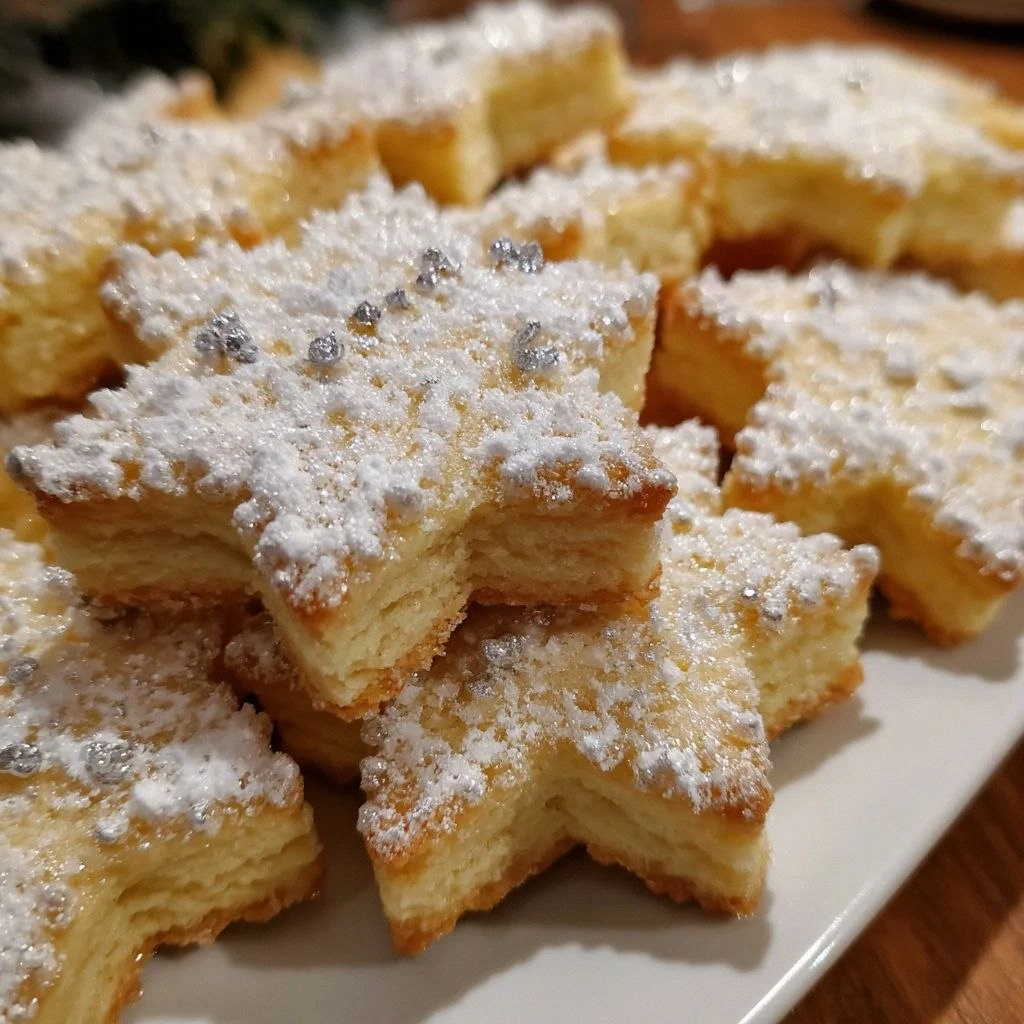
- The Optional Finish: Traditional shortbread is perfect plain, but for Christmas, I sometimes dust them with a snowstorm of powdered sugar while still slightly warm. It melts and forms a thin, sweet crust that's absolutely magical. You could also dip half in melted chocolate, but honestly, these cookies are so perfect they don't need gilding.
That's it — you did it. But hold on, I've got a few more tricks that'll take this to another level...
Insider Tricks for Flawless Results
After making literally hundreds of batches (my jeans can attest to this), I've discovered some game-changing secrets that separate good shortbread from legendary shortbread. These aren't in any cookbook, but they're about to become your superpowers.
The Temperature Rule Nobody Follows
Your butter temperature is everything, and 65-68°F isn't just a suggestion — it's the law. Too cold and your dough will be crumbly and impossible to work with. Too warm and your cookies will spread like gossip at a family reunion. I keep a cheap instant-read thermometer in my drawer and check the butter before starting. When it's the right temperature, it should bend slightly when you press it, not break or feel greasy. This tiny detail is what separates the pros from the "why don't my cookies look like the picture" crowd.
Why Your Nose Knows Best
Forget timers — your nose is the best shortbread detector you have. When they're ready, you'll smell butter that's transformed from raw and greasy to nutty and caramel-like. It's subtle but unmistakable, like the difference between raw onions and perfectly caramelized ones. The moment you catch that scent, check your cookies. Nine times out of ten, they're perfectly done. This trick has saved me from overbaking more times than I can count.
The 5-Minute Rest That Changes Everything
After mixing your dough, let it rest for 5 minutes before shaping. This brief pause allows the flour to start hydrating, making the dough easier to work with and preventing cracks. It's like letting steak rest after cooking — a small wait that pays massive dividends. I discovered this by accident when my doorbell rang mid-baking, and the dough I'd left sitting was noticeably more cooperative than usual.
The Storage Secret
Store completely cooled shortbread in an airtight tin with a piece of bread. The bread prevents them from drying out and keeps them tasting fresh for up to two weeks. Yes, two weeks — though I've never had a batch last more than three days. The bread gets stale while the cookies stay perfect. It's like kitchen witchcraft, but it works every time.
Creative Twists and Variations
This recipe is a playground. Here are some of my favorite ways to switch things up:
The Classic: Orange and Dark Chocolate
Add the zest of one orange to the butter while creaming, then dip half the cooled cookies in 70% dark chocolate. The citrus cuts through the richness and makes grown men weep with joy. It's like Christmas morning and Valentine's Day had a delicious baby.
The Sophisticate: Lavender and Honey
Replace 2 tablespoons of sugar with honey and add 1 teaspoon of culinary lavender. It's like eating Provence at Christmas, sophisticated and unexpected. Serve these with Earl Grey tea and watch your guests feel instantly fancier.
The Kid Favorite: Mini Chocolate Chip
Fold 1/2 cup of mini chocolate chips into the finished dough. Not traditional, but try telling that to a seven-year-old. These disappear faster than wrapping paper on Christmas morning.
The Adult Only: Espresso and Bourbon
Dissolve 1 teaspoon instant espresso powder in 1 tablespoon bourbon and add with the butter. The coffee enhances the butter flavor while the bourbon adds depth. These are dangerous — you can't taste the alcohol, but you feel it after three cookies.
The Pretty One: Peppermint Marble
Divide the dough in half, add 1/4 teaspoon peppermint extract to one half and a few drops of red food coloring. Roll each half thin, layer them, roll into a log, and slice for candy-cane striped cookies. They're almost too pretty to eat. Almost.
The Savory Sweet: Rosemary and Sea Salt
Add 1 tablespoon finely minced fresh rosemary and finish with flaky sea salt. It's the cookie equivalent of that friend who's sweet but a little salty — complex, interesting, and completely addictive.
Storing and Bringing It Back to Life
Fridge Storage
Shortbread doesn't need refrigeration, but if you live somewhere humid, store it in the fridge in an airtight container for up to two weeks. Let it come to room temperature before serving — cold butter tastes waxy and dull. The cookies will taste as fresh as the day you baked them, which is either wonderful or dangerous depending on your self-control.
Freezer Friendly
Both the dough and finished cookies freeze beautifully. Wrap dough logs tightly in plastic wrap, then foil, and freeze for up to three months. Bake from frozen, adding 2-3 minutes to the baking time. For finished cookies, freeze in a single layer, then transfer to a freezer bag. They'll keep for six months, though honestly, who has leftover shortbread for six months?
Best Reheating Method
Refresh stored cookies in a 300°F oven for 5 minutes. This wakes up the butter and restores that just-baked texture. It's like a spa day for your cookies, bringing back the snap and releasing those aromatic oils. Just don't overdo it — 5 minutes is perfect, 7 minutes is cookie cremation.