Picture this: you’re in a cramped kitchen, the oven preheated to 350°F, and the air is thick with anticipation. A box of chocolate cake mix sits on the counter like a silent promise, while a can of sweetened condensed milk waits to be opened with a dramatic splash that smells like caramel and nostalgia. You’ve tried every Baileys chocolate cake out there—some are dry, some are too sweet, and a handful of them taste like the kitchen is trying to sabotage your dessert. That night, after a particularly disastrous attempt that left a chocolate‑cream disaster on the counter, I vowed to create a version that would make every bite feel like a small, decadent celebration.
The first thing I noticed was the texture: the batter should glide through the spoon like a silky river, not clump like a stubborn pancake. The aroma that fills the room when the batter hits the oven—rich chocolate, a hint of whiskey, and the faint scent of butter—almost makes you forget that you’re baking a cake, not a dessert. Taste-wise, it should be a balanced duet between the deep bitterness of cocoa and the sweet, creamy sweetness of Baileys, with just enough salt to lift every flavor. If you’re tired of the same old “cake with a glaze” routine, this recipe will surprise you with a double Baileys infusion that feels both luxurious and approachable. I dare you to taste this and not go back for seconds.
What sets this version apart is the meticulous layering of flavors and textures that works together like a well‑composed symphony. Instead of a single swirl of frosting, I created a dual‑layered frosting that mirrors the cake’s richness and adds a glossy, velvety finish that practically melts in your mouth. The use of a premade cake mix saves time without compromising on depth; the secret lies in the added condensed milk and heavy cream, which transform the dry mix into a moist, custard‑like batter. The double dose of Baileys—one cup in the batter and half a cup in the frosting—creates a harmonious whiskey undertone that doesn’t overpower but rather elevates the chocolate. I’ve also added a splash of cocoa powder to the frosting to deepen the chocolate flavor, giving the cake a sophisticated finish. This is hands down the best version you’ll ever make at home.
Picture yourself pulling this out of the oven, the whole kitchen smelling incredible, the steam curling around the cake like a sweet halo. The first bite feels like a cascade of chocolate, whiskey, and butter, followed by a silky frosting that clings to the palate. The finish is a subtle hint of salt that lifts the sweetness, leaving you wanting more. If you’ve ever struggled with a cake that’s either too dry or too sweet, you’re not alone—this recipe is a fix that will have your friends begging for the recipe. Stay with me here, because by the end of this post, you’ll wonder how you ever made it any other way.
What Makes This Version Stand Out
- Richness: The combination of condensed milk and heavy cream turns a dry cake mix into a moist, custard‑like batter that feels indulgent with every bite.
- Depth: Two separate Baileys additions—one in the batter, one in the frosting—create a layered whiskey flavor that’s subtle yet unmistakable.
- Texture: The dual frosting layers provide a silky finish that contrasts with the cake’s crumbly interior, giving each bite a luxurious mouthfeel.
- Convenience: Using a boxed mix means you can whip this up in under 30 minutes, making it a perfect go‑to for last‑minute gatherings.
- Versatility: The recipe can be tweaked for dietary needs, such as swapping butter for a dairy‑free alternative or using a sugar‑free cocoa powder.
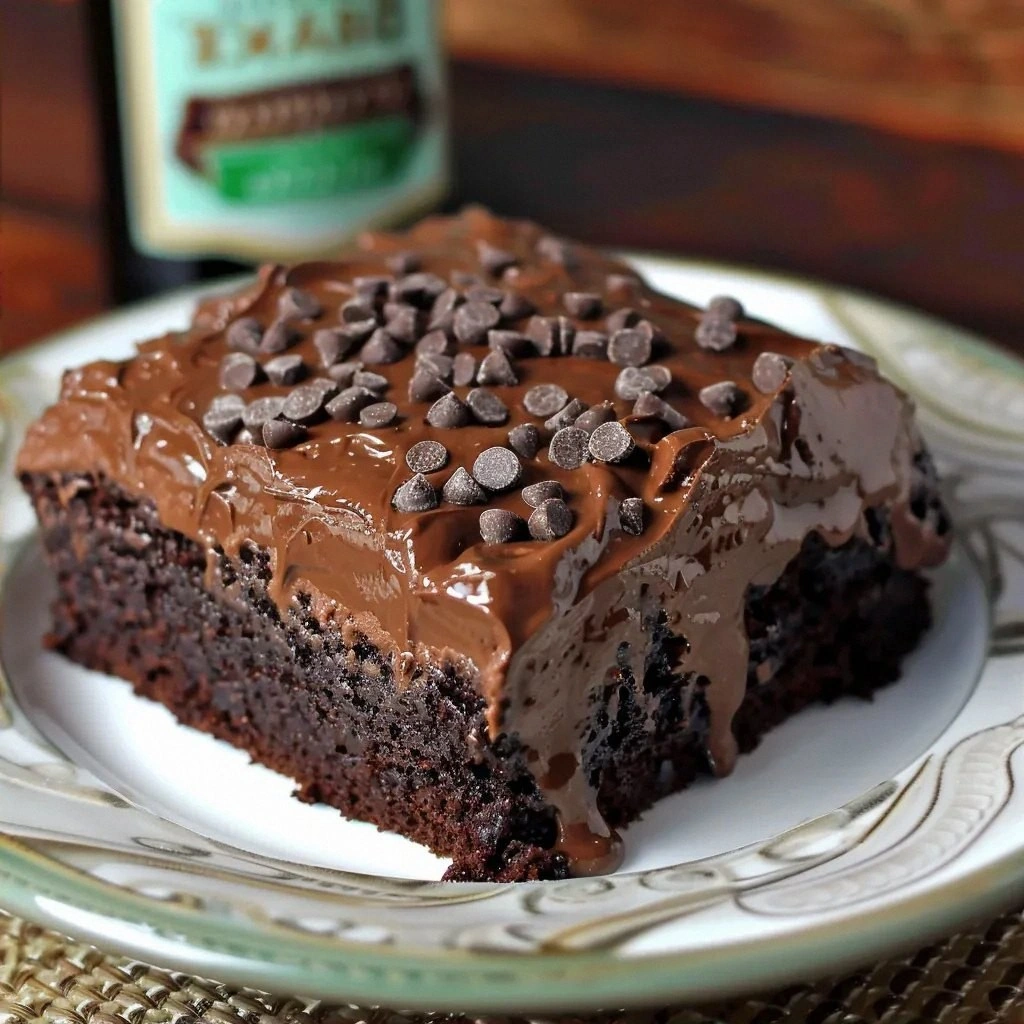
- Showstopper: The glossy, chocolate‑brown frosting glistens like a polished trophy, making it a centerpiece for any dessert table.
Inside the Ingredient List
The Flavor Base
At the heart of this cake is a box of chocolate cake mix, a reliable foundation that delivers that unmistakable chocolate bite. The mix already contains cocoa, sugar, and leavening agents, which means you don’t have to measure out flour or baking powder—just add the liquids and let the batter rise. If you’re looking for a richer flavor, opt for a dark chocolate cake mix; the slightly higher cocoa content will give the cake a deeper, more bittersweet profile. Skipping the cake mix would force you to start from scratch, increasing prep time and the chance for measurement errors.
The Moisture Crew
Sweetened condensed milk and heavy cream work together to create a silky, custard‑like batter that feels indulgent in every mouthful. Condensed milk brings a caramelized sweetness that balances the bitterness of cocoa, while heavy cream adds a velvety body that keeps the cake moist even after cooling. If you’re watching calories, you can swap heavy cream for half‑and‑half, but be prepared for a slightly drier crumb. A quick tip: chill the bowl and whisk before adding the liquids to keep the mixture at a consistent temperature, which helps the batter combine more smoothly.
The Unexpected Star
Baileys Irish Cream isn’t just a garnish; it’s the secret sauce that turns this cake into a celebration. The whiskey flavor cuts through the sweetness, adding depth and complexity that’s hard to find in standard chocolate cakes. Two distinct Baileys additions—one in the batter and one in the frosting—create a layered flavor profile that’s both subtle and bold. If you’re hesitant about the alcohol content, the baking process reduces the alcohol content significantly, leaving a faint, pleasant undertone rather than a strong kick.
The Final Flourish
The frosting is where this cake truly shines. Butter, cocoa powder, powdered sugar, and a splash of Baileys come together to create a glossy, chocolate‑cream coating that clings to every inch of the cake. The butter provides a silky mouthfeel and helps the frosting set into a smooth, even layer. Cocoa powder deepens the chocolate flavor, while the powdered sugar gives the frosting its sweet finish. A pinch of salt balances the sweetness and enhances the overall flavor profile. If you prefer a lighter frosting, you can replace half the butter with Greek yogurt for a tangy twist.
Everything's prepped? Good. Let's get into the real action.
The Method — Step by Step
- Preheat your oven to 350°F (175°C). Grease two 8‑inch round cake pans with butter and dust with flour, tapping out the excess. This ensures the cakes will release cleanly and bake evenly. Let the pans sit on the counter while you gather the rest of the ingredients.
- In a large mixing bowl, whisk together the chocolate cake mix, dark cocoa powder, and ½ tsp salt until the dry ingredients are evenly distributed. The cocoa powder adds an extra depth of flavor and a darker color that’s visually appealing. Stir for about 30 seconds to break up any clumps.
- In a separate bowl, combine the 14‑oz can of sweetened condensed milk, ⅓ cup heavy cream, ¼ cup Baileys, and 1 tsp vanilla extract. Whisk until the mixture is smooth and the Baileys is fully integrated. The vanilla provides a subtle warmth that balances the whiskey notes.
- Pour the wet mixture into the dry mixture. Stir gently with a spatula, folding until just combined—overmixing will make the cake tough. The batter should be thick yet pourable, similar to a thick pancake batter. This is the moment where the batter’s color deepens, hinting at the richness to come.
- Divide the batter evenly between the prepared pans, smoothing the tops with a spatula. Tap the pans lightly on the counter to release any air bubbles, which helps the cake rise evenly. Place the pans in the preheated oven and bake for 25–30 minutes, or until a toothpick inserted into the center comes out clean. The edges should pull slightly away from the pan, indicating doneness.
- Remove the cakes from the oven and let them cool in the pans for 10 minutes. Then transfer them onto a wire rack to cool completely. This cooling step is crucial; it prevents the frosting from melting too quickly when applied. While the cakes are cooling, you can start preparing the frosting.
- Melt 1 cup of butter in a saucepan over low heat. Once melted, whisk in ½ cup Baileys, ¼ cup cocoa powder, and 5 cups powdered sugar. Stir until the mixture is smooth and glossy. Finally, add ⅓ cup heavy cream, whisking until the frosting reaches a spreadable consistency. If the frosting is too thick, add a tablespoon of milk or cream to reach the desired texture.
- Place one cooled cake layer on a serving plate. Spread a generous layer of frosting over the top, smoothing with a spatula. Carefully place the second cake layer on top, pressing gently to secure. Apply a thin crumb coat around the sides and top, then chill the assembled cake for 30 minutes to set the frosting.
- After chilling, apply a final thick layer of frosting to the top and sides, creating a smooth, glossy finish. Use a bench scraper or offset spatula to achieve a polished look. Garnish with a light dusting of cocoa powder or a drizzle of Baileys, if desired. Let the cake sit at room temperature for at least 15 minutes before serving to allow the flavors to meld.
That's it — you did it. But hold on, I've got a few more tricks that'll take this to another level.
Insider Tricks for Flawless Results
The Temperature Rule Nobody Follows
Baking at a slightly lower temperature—around 340°F instead of the usual 350°F—helps the cake rise evenly without a cracked top. The slower rise allows the batter to expand more gently, creating a lighter crumb. I once baked a cake at 350°F and it came out with a hard, cracked surface; the next time I lowered the heat, the result was a perfectly even dome. Try this trick next time you’re aiming for that professional look.
Why Your Nose Knows Best
During the baking process, the aroma will evolve from sweet to caramelized chocolate. Trust that scent; if it smells like burnt sugar, pull the cake out immediately. The smell of butter and Baileys mingling is a sign that the frosting is ready to set. I’ve learned to rely on my nose more than the timer, and it’s paid off every time.
The 5‑Minute Rest That Changes Everything
After removing the cake from the oven, let it rest in the pan for exactly 5 minutes before turning it out. This short rest lets the heat distribute evenly, preventing the bottom from becoming soggy. If you skip this step, the cake can develop a rubbery texture on the bottom. I’ve found that this simple pause makes a noticeable difference in the overall mouthfeel.
Frosting Consistency is Key
If the frosting is too thin, it will run off the cake and create a mess. Conversely, if it’s too thick, it won’t spread smoothly. To test the consistency, take a small spoonful and let it sit for a few seconds; it should hold its shape but still be pliable. Adding a teaspoon of milk at a time can help you reach the perfect texture.
Let the Cake Rest Before Serving
After assembling the cake, let it rest at room temperature for at least 15 minutes before slicing. This allows the flavors to meld and the frosting to set, resulting in a more cohesive bite. Cutting too quickly can cause the frosting to tear, ruining the presentation.
Use a Bench Scraper for a Polished Finish
A bench scraper or offset spatula is your best friend when it comes to achieving a smooth, professional look. It’s easier to create clean lines and a glossy finish than with a regular spatula. I’ve used this tool for years on cakes and it never disappoints.
Creative Twists and Variations
This recipe is a playground. Here are some of my favorite ways to switch things up:
Caramel Swirl
Stir in a tablespoon of caramel sauce into the batter before baking. The caramel adds a sweet, buttery note that pairs wonderfully with the Baileys. Serve with a drizzle of extra caramel on top for an indulgent finish.
Nutty Crunch
Fold chopped toasted walnuts or pecans into the batter for added texture. The nuts provide a delightful crunch and a nutty aroma that complements the chocolate. Sprinkle extra toasted nuts on the frosting for a decorative touch.
Coffee Kick
Add a teaspoon of instant espresso powder to the dry mix. The coffee enhances the chocolate flavor and gives the cake a subtle depth that’s perfect for an after‑dinner dessert. It also pairs nicely with the Baileys for a sophisticated twist.
Minty Fresh
Replace the vanilla with a teaspoon of mint extract and add a handful of crushed mint candies to the batter. The mint brings a refreshing contrast to the rich chocolate and whiskey. Finish with a light dusting of mint powder on top.
Spiced Variation
Add a pinch of cayenne pepper or a splash of orange liqueur to the frosting. The spice adds an unexpected heat that balances the sweetness, while the orange liqueur gives a citrusy lift. This version is especially good for holiday gatherings.
Vegan Take
Swap the butter for coconut oil and use a dairy‑free chocolate cake mix. Replace the condensed milk with coconut milk and the Baileys with a vegan Irish cream alternative. The result is a creamy, chocolatey cake that’s free of animal products but still indulgent.
Storing and Bringing It Back to Life
Fridge Storage
Store the assembled cake in an airtight container in the refrigerator for up to 3 days. Wrap the cake in plastic wrap first to prevent it from drying out, then place it in a sealable bag. When you’re ready to serve, let it sit at room temperature for 20 minutes to soften the frosting.
Freezer Friendly
The cake freezes well; wrap it tightly in plastic wrap and then in foil to protect against freezer burn. It can be stored for up to 2 months. Thaw overnight in the refrigerator, then let it sit at room temperature for 30 minutes before serving. The frosting will regain its original texture after thawing.
Best Reheating Method
If you need to warm the cake slightly, place it in a preheated oven at 300°F for 5 minutes. Avoid overheating, as the frosting can melt and become runny. A quick warm-up brings back the cake’s moist crumb and enhances the flavor of the Baileys.