I was standing in my kitchen, staring at a half‑finished curry that smelled like a mystery gone wrong, when my roommate dared me: “If you can fix that, I’ll buy you the whole grocery store.” I accepted, because honestly, who says no to a grocery‑store‑wide bribe? The pan was bubbling, the onions were on the brink of caramelizing, and the aroma was somewhere between burnt toast and a fragrant spice market—confusing, chaotic, and absolutely begging for a rescue. That night I discovered the secret that turned a disaster into the most buttery, silky chicken korma you’ll ever taste, and I swear the whole apartment smelled like a five‑star Indian restaurant by the time I was done.
Picture this: the first spoonful hits your tongue and instantly wraps the chicken in a sauce so smooth it feels like velvet sliding over silk. The yogurt and cream mingle with the korma paste, creating a luxurious coat that clings to each bite like a warm hug you never want to let go of. The spices? They’re not just there to taste good; they’re the orchestra that makes the whole dish sing—turmeric’s golden glow, garam masala’s warm whisper, and a hint of ginger that snaps like a fresh breeze on a spring morning. Every time I hear that sizzle when the oil meets the onions, I get a little thrill, because I know the flavor fireworks are about to start.
Most recipes I’ve tried either drown the chicken in a swamp of milk‑thick sauce or leave it dry enough to sandpaper a cutting board. This version? It’s the Goldilocks of korma—just the right amount of richness, the perfect balance of heat and sweet, and a texture that stays tender without turning mushy. I’ve even added a tiny twist: a dash of korma paste that’s halal‑certified, which gives the dish an authentic depth without any compromise. If you’ve ever struggled with a bland, watery korma or a sauce that separates at the slightest stir, you’re not alone—this is the fix you’ve been waiting for.
And here’s the kicker: the secret weapon is a quick yogurt‑marination that not only tenderizes the chicken but also locks in flavor, making every bite burst with juicy goodness. I dare you to taste this and not go back for seconds. Okay, ready for the game‑changer? Let me walk you through every single step — by the end, you’ll wonder how you ever made it any other way.
What Makes This Version Stand Out
- Flavor Explosion: The combination of korma paste, yogurt, and cream creates layers of taste that evolve with each bite, from buttery richness to a lingering spice finish.
- Silky Texture: The sauce coats the chicken like a satin sheet, never watery, never grainy—pure, smooth indulgence.
- Simplicity: Only ten core ingredients, all easy to find, and a single‑pan method that saves you from dish‑mountain chaos.
- Unique Twist: The halal‑certified korma paste adds authenticity while keeping the recipe accessible for all dietary preferences.
- Crowd‑Pleaser: Even the pickiest eaters (yes, even the teenage broccoli‑hater) rave after the first spoonful, making it perfect for family meals or casual dinner parties.
- Ingredient Quality: Using boneless thigh meat ensures juiciness; the yogurt adds a tangy lift that balances the cream’s richness.
- Cooking Method: A gentle simmer after the initial sear locks in moisture and lets the spices meld without burning.
- Make‑Ahead Potential: This korma tastes even better the next day, as the flavors deepen—ideal for meal‑prep warriors.
Inside the Ingredient List
The Flavor Base
The onion, garlic, and ginger form the aromatic backbone of any great Indian curry. Finely chopped onions melt into a sweet caramel that balances the heat of garlic and the zing of ginger. If you skip the ginger, you’ll lose that bright, peppery snap that lifts the sauce from heavy to lively. A good tip: sweat the onions on medium heat until they turn translucent, then let them brown just a touch—this is where the flavor truly develops. For a deeper flavor, you can add a splash of water to deglaze the pan, scraping up those browned bits.
The Texture Crew
Yogurt and heavy cream (or coconut milk for a lighter version) are the dynamic duo that gives korma its signature silkiness. Yogurt introduces a subtle tang that cuts through the richness, while the cream rounds everything off with buttery smoothness. If you’re dairy‑free, coconut milk works beautifully, adding a faint tropical note that pairs surprisingly well with the spices. Beware of high heat with yogurt—let it sit at room temperature before mixing, otherwise it can curdle like a bad science experiment.
The Unexpected Star
Korma curry paste is the secret weapon that brings depth without a laundry list of individual spices. It’s a pre‑blended mix of toasted nuts, seeds, and aromatics, and using a halal‑certified version ensures you’re keeping the dish inclusive for all guests. If you can’t find a ready‑made paste, blend toasted almonds, cashews, coriander, cumin, and a touch of cardamom for a homemade version. The paste’s richness means you can dial back on extra oil, keeping the dish lighter without sacrificing flavor.
The Final Flourish
Fresh coriander adds a burst of green freshness right before serving, cutting through the richness and adding a herbaceous aroma that makes the dish feel complete. Don’t overdo it—just a generous sprinkle is enough. For those who aren’t fans of coriander, a handful of fresh mint works as a surprising alternative, lending a cool contrast to the warm spices. And of course, the choice of flatbread or rice is your canvas: a fluffy naan soaks up the sauce, while basmati rice offers a fragrant, grainy backdrop.
Everything's prepped? Good. Let's get into the real action...
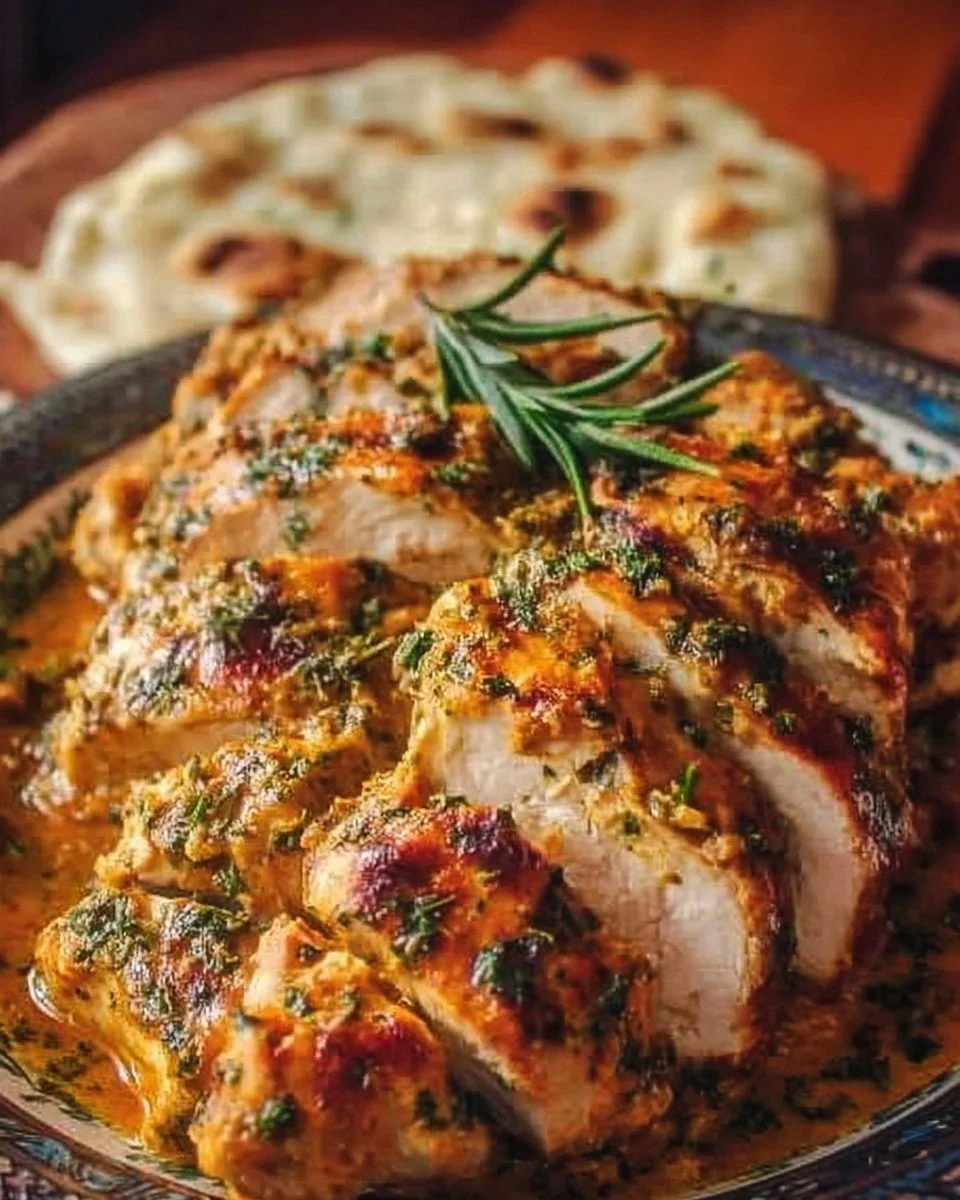
The Method — Step by Step
Start by marinating the chicken. Toss the bite‑sized thigh pieces with ½ cup plain yogurt, a pinch of salt, and half of the turmeric powder. Let it sit for at least 15 minutes at room temperature; this not only tenderizes the meat but also infuses it with a subtle tang that will shine later. While the chicken rests, you can prep the aromatics—finely chop the onion, mince the garlic, and grate the ginger. That sizzle when it hits the pan? Absolute perfection.
Heat 2 tbsp vegetable oil in a large, heavy‑bottomed skillet over medium‑high heat. Add the onions and let them sweat for about 3‑4 minutes, stirring occasionally. When they start to turn translucent, add a pinch of salt to draw out moisture. This is the moment where the kitchen fills with a sweet, caramel‑like perfume that tells you you’re on the right track.
Now comes the aromatics. Add the minced garlic and grated ginger to the pan, stirring quickly to avoid burning. You’ll hear a gentle crackle, and the scent will shift to a sharper, more pungent profile. Cook for another 1‑2 minutes until the raw edge disappears—watch for the garlic turning a light golden, not brown.
Time for the star—korma curry paste. Spoon in 2 tbsp and let it fry gently, allowing the oil to release the paste’s hidden flavors. As the paste darkens slightly, you’ll notice a fragrant, nutty aroma rising—this is pure magic. Add the remaining turmeric and the garam masala, stirring to coat the onion‑garlic‑ginger mixture evenly.
Introduce the marinated chicken to the pan, spreading it out so each piece makes contact with the hot surface. Let it sear without moving for about 3 minutes; you’ll see the edges start pulling away and a golden crust forming. Flip the pieces and sear the other side—this step locks in juices and builds flavor layers.
Now, the cream and yogurt combine. Reduce the heat to low, then stir in the remaining ½ cup yogurt followed by ½ cup heavy cream (or coconut milk). The sauce should turn a luscious, pale amber color, thickening slowly. If it looks too thick, splash in a splash of water or broth to reach a silky consistency. Keep the heat gentle—high heat can cause the dairy to split.
Simmer the korma gently for 12‑15 minutes, uncovered, allowing the flavors to meld. You’ll notice the sauce hugging the chicken, thick enough to coat the back of a spoon but still glossy. Taste and adjust seasoning—maybe a pinch more salt or a dash of extra garam masala if you love that warm finish. The final touch: sprinkle freshly chopped coriander over the top, letting its bright green color pop against the golden sauce.
Serve immediately with warm flatbread or fluffy basmati rice. The sauce should cling to the bread like a sweet, buttery glaze, or soak into the rice grains, each bite delivering that perfect balance of spice and cream. Picture yourself pulling this out of the pan, the whole kitchen smelling incredible, and everyone reaching for seconds before the first plate is even empty. And now the fun part—dig in and watch the smiles spread.
That's it — you did it. But hold on, I've got a few more tricks that'll take this to another level...
Insider Tricks for Flawless Results
The Temperature Rule Nobody Follows
Keep the heat low once the dairy joins the pan. A gentle simmer lets the sauce thicken without the risk of curdling. I once tried a high‑heat finish because I was in a rush, and the sauce split like a broken mirror—no good. The rule of thumb: if you can see tiny bubbles dancing on the surface, you’re perfect.
Why Your Nose Knows Best
Don’t rely solely on timers—listen to your kitchen. When the onions start to turn golden, you’ll smell a sweet caramel that signals they’re ready. When the garlic changes color, the aroma shifts from sharp to nutty. Trust those olfactory cues; they’re more reliable than any clock.
The 5‑Minute Rest That Changes Everything
After you finish cooking, let the korma rest off the heat for five minutes. This pause allows the spices to settle and the sauce to thicken a touch more. I used to serve it straight away and noticed a thin‑watered‑down mouthfeel; the rest period solved that instantly.
Layering Yogurt for Depth
Instead of dumping all the yogurt at once, split it—half in the marination, half after searing. This technique builds tanginess gradually, preventing a sour punch and giving the sauce a balanced creaminess.
Don’t Forget the Garnish
Fresh coriander isn’t just for color; it adds a citrusy lift that cuts through the richness. If you’re not a coriander fan, try a squeeze of lemon juice at the end—just a drizzle will brighten the whole dish.
Creative Twists and Variations
This recipe is a playground. Here are some of my favorite ways to switch things up:
Mushroom Majesty
Swap half the chicken for meaty button mushrooms. The umami from the mushrooms deepens the sauce, making it a perfect vegetarian option that still feels hearty.
Nutty Delight
Add a handful of toasted cashews or almonds toward the end of cooking. The nuts introduce a pleasant crunch and an extra layer of richness that pairs beautifully with the cream.
Spicy Kick
Stir in a finely chopped green chili or a pinch of red chili flakes when you add the garlic. The heat will cut through the cream, giving the dish a lively bite without overwhelming the delicate flavors.
Coconut Breeze
Replace the heavy cream with an equal amount of coconut milk and add a splash of lime juice at the end. This version takes the dish to a tropical island vibe, perfect for summer evenings.
Herbaceous Fusion
Mix in a tablespoon of fresh mint leaves along with the coriander. The mint adds a cooling contrast that balances the warm spices, especially enjoyable on hot days.
Storing and Bringing It Back to Life
Fridge Storage
Let the korma cool to room temperature, then transfer it to an airtight container. It will keep fresh for up to 4 days. When reheating, add a splash of water or broth and stir gently over low heat to revive the sauce’s silkiness.
Freezer Friendly
Portion the korma into freezer‑safe bags or containers, leaving a little headspace for expansion. It freezes beautifully for up to 3 months. Thaw overnight in the fridge, then reheat on the stove, again adding a touch of liquid to bring back that creamy texture.
Best Reheating Method
The stovetop is king. Warm the korma over low heat, stirring frequently, and add a tablespoon of water or stock if it looks too thick. Avoid the microwave if you can; it tends to dry out the sauce and create uneven heating.