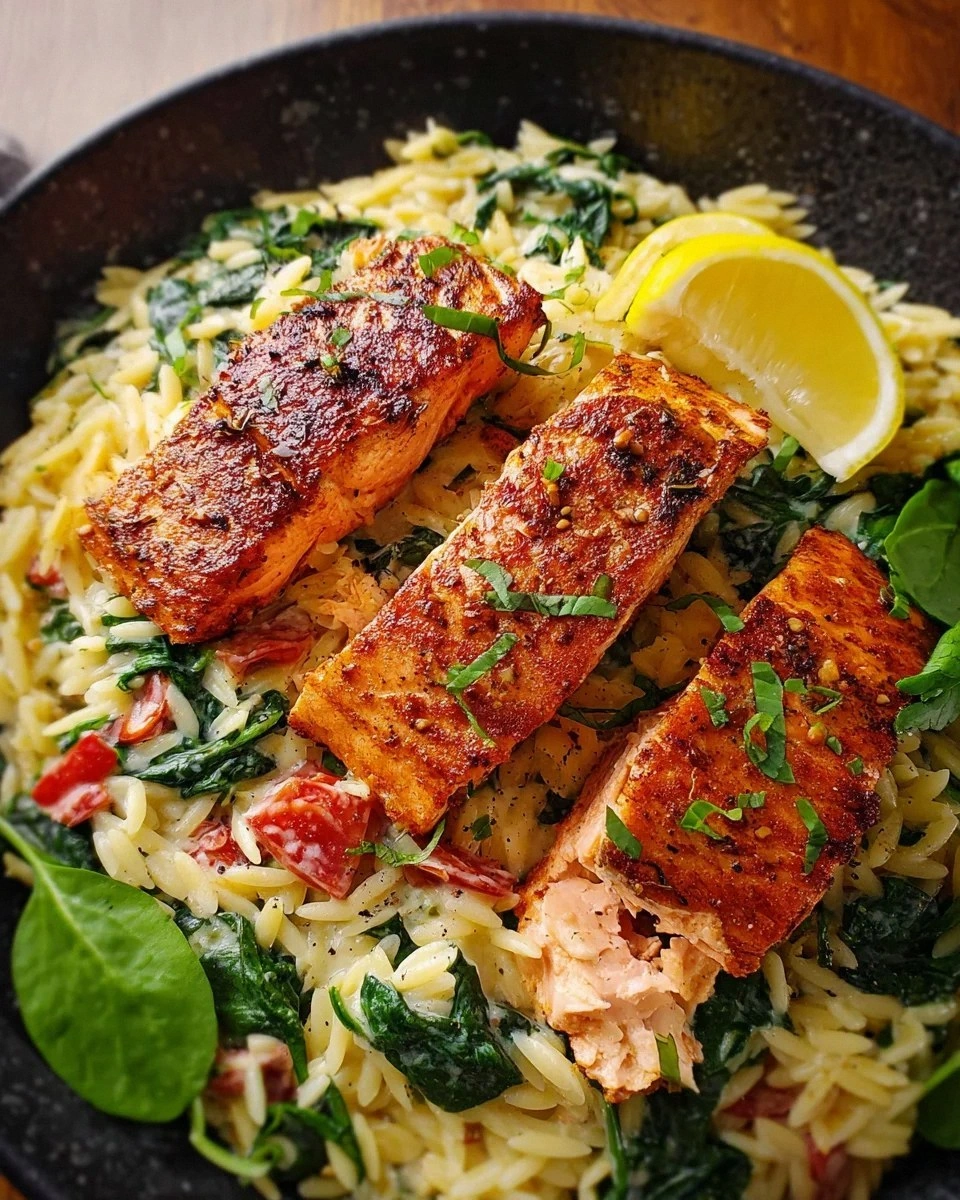
I was standing in my kitchen, the clock ticking like an impatient metronome, when a sudden craving hit me like a freight train. I wanted something that felt like a warm hug after a long day, but I also needed it to be quick enough that I wouldn’t end up ordering pizza. I tossed a handful of rice into the sink, stared at the chicken thighs, and thought, “What if I could pull a restaurant‑level one‑pot wonder out of this chaos?” That thought turned into a dare: I challenged myself to create a version that would make even the most skeptical foodie say, “I’m never ordering takeout again.” The result? A dish so comforting it practically sings lullabies to your taste buds.
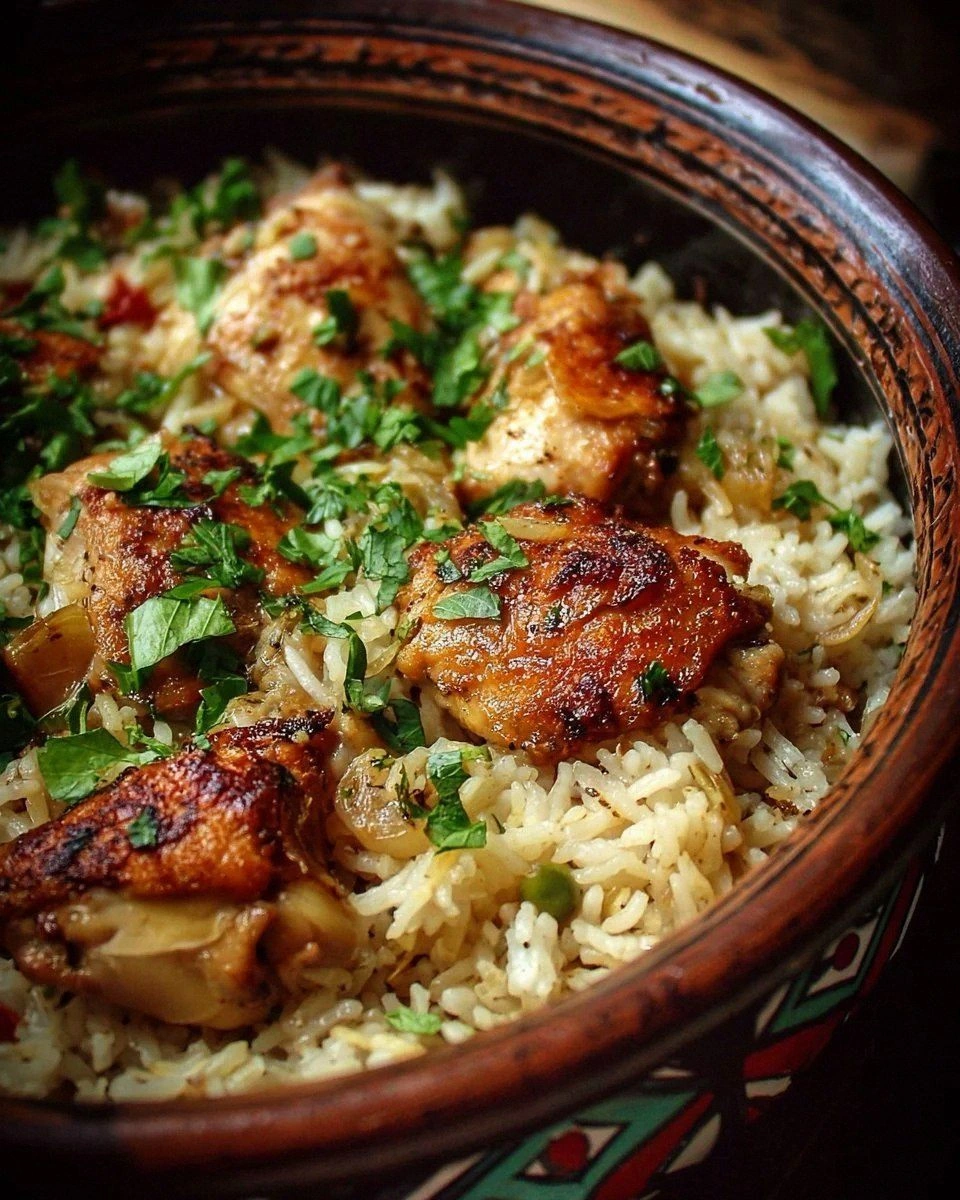
Picture this: the kitchen fills with the earthy aroma of cumin and turmeric, the sizzling hiss of olive oil meeting a hot pan, and the subtle sweetness of onions caramelizing like they’re auditioning for a Broadway musical. The sound of garlic hitting the oil is a crisp pop that makes you want to dance, while the steam rising from the pot carries whispers of distant markets and sun‑soaked fields. When you finally lift the lid, the rice is fluffy, the chicken is tender enough to fall apart with a fork, and the vegetables are bright, like little jewels scattered across a golden sea. It’s the kind of dish that makes you pause, inhale deeply, and think, “This is hands down the best version you’ll ever make at home.”
Most recipes get this completely wrong. They either drown the rice in broth, leaving it soggy, or they over‑cook the chicken until it’s as dry as a desert road. My version fixes those pitfalls by using a precise 1:1 broth‑to‑water ratio and a gentle simmer that lets the rice absorb flavor without turning mushy. The secret weapon? A splash of ghee that adds a buttery richness you won’t find in any boxed mix, and a quick deglaze that lifts all those caramelized bits from the bottom of the pot – those are flavor fireworks you don’t want to miss.
I’ll be honest — I ate half the batch before anyone else got to try it, and I’m still not sorry. The confidence boost you get from serving a dish that looks and tastes like it took hours of effort, yet only needed 45 minutes, is priceless. So, buckle up: I’m about to walk you through every single step — by the end, you’ll wonder how you ever made it any other way. Let’s get cooking.
What Makes This Version Stand Out
- Flavor Fusion: The trio of cumin, paprika, and turmeric creates a warm, earthy backbone that’s balanced by the bright pop of mixed vegetables. This isn’t just a bland one‑pot meal; it’s a symphony of spices that dance together.
- Texture Harmony: The rice stays separate and fluffy, the chicken remains juicy, and the veggies keep a slight crunch, giving you a satisfying bite every time.
- Simplicity Meets Sophistication: Only one pot, yet the result feels like a multi‑course restaurant plate. Minimal cleanup, maximum wow factor.
- Ingredient Quality: Using basmati rice and halal chicken broth adds authenticity and depth that cheap alternatives can’t match.
- Crowd‑Pleaser: Whether you’re feeding a family, a group of friends, or just yourself, the flavors are universally loved – even picky eaters can’t resist.
- Make‑Ahead Potential: This dish reheats beautifully, making it perfect for meal‑prep warriors who still crave home‑cooked comfort.
- Versatile Base: The recipe is a canvas; you can swap out spices, proteins, or veggies without breaking the magic.
- Time Efficiency: With a prep time of 15 minutes and a cook time of 30, you get a complete, balanced meal faster than most takeout.
Inside the Ingredient List
The Flavor Base
The onion, garlic, and ginger are the holy trinity of aromatics. When you sauté them until the onion turns translucent and the garlic just starts to brown, you’re building a fragrant foundation that will permeate every grain of rice. Skipping this step means you’ll miss out on that deep, savory undertone that makes the dish sing. If you’re out of fresh ginger, a pinch of ground ginger works, but fresh gives a zing that’s hard to replicate.
The Texture Crew
Basmati rice is chosen for its long, slender grains that stay separate when cooked. Rinsing the rice removes excess starch, preventing clumping. The mixed vegetables—usually peas and carrots—add color and a slight snap that contrasts the softness of the chicken. If you prefer a different veggie, try corn or green beans; just keep the moisture balance in mind.
The Unexpected Star
Turmeric isn’t just for color; it brings a subtle earthiness and a health boost thanks to its anti‑inflammatory properties. Pair it with cumin and paprika, and you get a depth that feels both exotic and familiar. Don’t be shy with the turmeric – a full teaspoon will give you that golden hue without an overpowering taste.
The Final Flourish
A handful of fresh cilantro tossed on top just before serving adds a bright, herbaceous finish that lifts the entire dish. If cilantro isn’t your thing, a squeeze of lemon or a sprinkle of parsley works just as well. The finishing drizzle of ghee (or a splash of olive oil) adds a glossy sheen that makes the dish look restaurant‑ready.
Everything's prepped? Good. Let’s get into the real action…
The Method — Step by Step
Heat a large, heavy‑bottomed pot over medium heat and add the tablespoon of olive oil or ghee. Once the fat is shimmering, add the chicken pieces skin side down (if using skin) and sear them for about 4‑5 minutes per side until they develop a golden crust. That sizzle when it hits the pan? Absolute perfection. This step locks in juices and builds the base flavor. Remove the chicken and set aside; don’t discard the fond – we’ll use it later.
Kitchen Hack: Pat the chicken dry with paper towels before searing; moisture is the enemy of a good crust.In the same pot, add the chopped onion. Cook, stirring occasionally, until it becomes translucent and starts to caramelize, about 3‑4 minutes. Toss in the minced garlic and grated ginger, letting them perfume the oil for another 30 seconds. You’ll notice the aroma turning sweet and pungent – that’s your cue to move on.
Now, sprinkle in the cumin powder, paprika, and turmeric. Stir constantly for 1‑2 minutes so the spices toast lightly; this awakens their essential oils and prevents any raw, bitter notes. If the mixture looks dry, splash a tablespoon of water to keep it moving without burning.
Watch Out: Over‑cooking the spices can turn them bitter. Keep the heat moderate and stir constantly.Add the rinsed basmati rice to the pot, stirring to coat each grain with the spiced oil. Toast the rice for about 2 minutes; you’ll hear a faint crackle as the grains begin to release a nutty scent. This step is pure magic because it prevents the rice from becoming gummy later.
Return the seared chicken to the pot, arranging it on top of the rice. Pour in the chicken broth and water, ensuring the liquid covers the rice by about half an inch. Sprinkle salt and pepper to taste, then give everything a gentle stir – you don’t want to disturb the chicken too much.
Bring the mixture to a gentle boil, then reduce the heat to low, cover the pot tightly, and let it simmer for 18‑20 minutes. Resist the urge to peek; the steam trapped inside is what cooks the rice evenly. After the timer, check the rice – it should be tender, and the liquid fully absorbed.
Stir in the mixed vegetables, then replace the lid and let the pot sit off the heat for another 5 minutes. The residual heat will gently steam the veggies, keeping them bright and crisp. This is the moment of truth – the colors should be vivid, the aromas layered, and the chicken falling off the bone.
Fluff the rice with a fork, drizzle a final splash of ghee or olive oil, and garnish with fresh cilantro if you like. Serve hot, and watch as the whole family dives in without hesitation. I dare you to taste this and not go back for seconds.
That's it — you did it. But hold on, I've got a few more tricks that'll take this to another level…
Insider Tricks for Flawless Results
The Temperature Rule Nobody Follows
Keep the simmer low and steady. A roaring boil will shatter the rice grains, while a gentle bubble ensures even moisture distribution. I once turned the heat up to “fast” because I was in a hurry; the result was a mushy, uneven pot that tasted like soggy porridge. Trust the low heat, and the rice will thank you with each fluffy bite.
Why Your Nose Knows Best
Your sense of smell is a built‑in timer. When the onions turn golden and the spices become fragrant, you know the flavor base is ready. If you can’t smell the cumin, give it another 30 seconds – the aromatic oils need time to bloom. This nose‑check saves you from under‑seasoned disasters.
The 5‑Minute Rest That Changes Everything
After the rice has absorbed all the liquid, let the pot sit, covered, for five minutes off the heat. This resting period allows the steam to redistribute, giving the grains a chance to firm up and the chicken to reabsorb any stray juices. Skipping this step often leads to a dry finish; the rest is the secret handshake of chefs everywhere.
De‑glaze Like a Pro
When you add the broth, take a moment to scrape the browned bits from the bottom of the pot. Those caramelized pieces are flavor gold, and they dissolve into the broth, enriching the entire dish. A quick de‑glaze with a splash of water or broth prevents a stuck‑on mess and lifts the taste profile.
Season at Every Layer
Season the chicken before searing, the rice after toasting, and the final dish with a pinch of salt just before serving. Layered seasoning builds depth that a single sprinkle at the end can’t achieve. A friend tried skipping the initial chicken salt – the final dish tasted flat, and we all learned the hard way that seasoning is cumulative.
Creative Twists and Variations
This recipe is a playground. Here are some of my favorite ways to switch things up:
Coconut Curry Remix
Swap half the chicken broth for coconut milk and add a tablespoon of red curry paste. The result is a creamy, tropical spin that pairs beautifully with lime wedges. Perfect for those who love a hint of the exotic.
Mediterranean Medley
Replace the mixed peas and carrots with chopped zucchini, olives, and sun‑dried tomatoes. Add a pinch of oregano and finish with feta crumbles. This variation feels like a sunny seaside dinner.
Spicy Saffron Surprise
Introduce a pinch of saffron threads soaked in warm water and a dash of cayenne pepper. The saffron adds a luxurious golden hue and subtle floral notes, while the heat gives it a kick that wakes up the palate.
Veggie‑Only Version
Swap the chicken for extra mushrooms and add chickpeas for protein. Use vegetable broth instead of chicken broth, and you have a hearty, plant‑based dish that still delivers on texture and flavor.
Smoky Barbecue Twist
Add a tablespoon of smoked paprika and a splash of barbecue sauce during the final simmer. The smoky undertones transform the dish into a comfort food that feels like a backyard cookout.
Storing and Bringing It Back to Life
Fridge Storage
Cool the dish to room temperature, then transfer it to an airtight container. It keeps well for up to 4 days. When reheating, add a tablespoon of water or broth and cover the container to retain moisture.
Freezer Friendly
Portion the cooled dish into freezer‑safe bags, flattening them for even thawing. It freezes beautifully for up to 3 months. To reheat, thaw overnight in the fridge, then steam on the stovetop with a splash of water.
Best Reheating Method
The stovetop method wins: place the leftovers in a skillet with a splash of water, cover, and heat on low for 5‑7 minutes, stirring gently. This restores the rice’s fluffiness and prevents it from drying out. Remember the tiny splash of water – it steams the grains back to perfection.