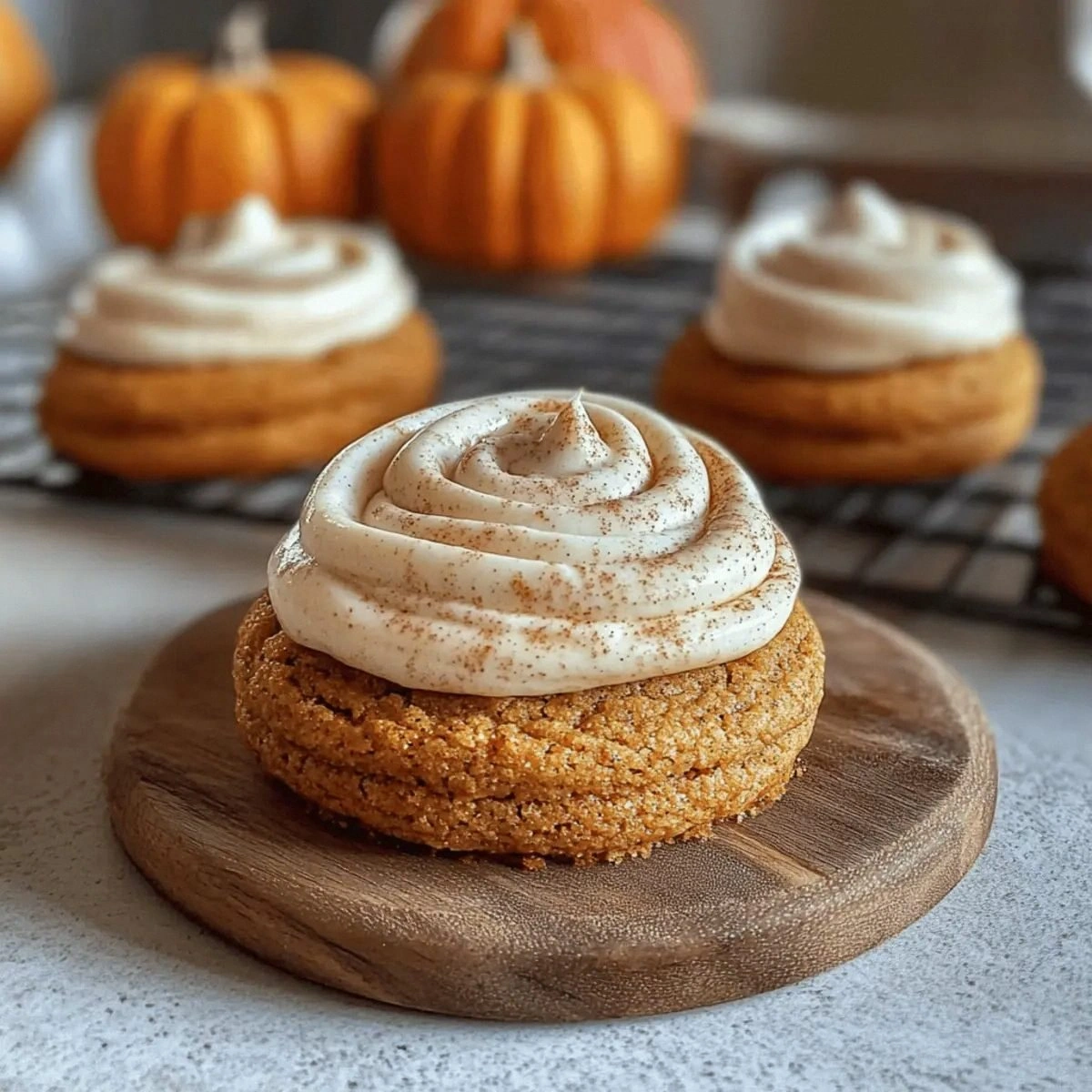
I’m going to start with a confession: the first time I tried to make pumpkin cookies, I ended up with something that resembled a dense, sweet brick. I was half‑heartedly daring my roommate to “taste this and not go back for seconds,” and she politely declined, which was the ultimate sign that I needed a serious overhaul. After a week of trial and error, countless burnt edges, and a kitchen that smelled like a burnt campfire, I finally cracked the code. This version is hands down the best version you’ll ever make at home, and it’s so soft and spiced that even the most skeptical cookie monster will be converted.
Picture yourself on a chilly afternoon, the wind howling outside while the kitchen is a warm sanctuary. The air is filled with the comforting aroma of cinnamon, nutmeg, and a whisper of cloves that instantly transports you to a cozy autumn market. You hear the gentle hum of the oven, the soft thud of butter hitting the mixing bowl, and the faint crackle of sugar caramelizing on the edge of the batter. Your fingertips feel the buttery dough, pliable and velvety, and when you finally bite into a cookie, it melts like a dream, leaving a lingering spice that makes you sigh in pure bliss.
What makes this batch a game‑changer? Most pumpkin cookie recipes get the texture wrong—either they’re cakey, or they’re dry and crumbly. I’ve discovered that the secret lies in a balanced blend of butter, cream cheese, and just the right amount of pumpkin puree, creating a cookie that’s soft on the inside with a barely‑there crisp on the edges. I dare you to taste this and not go back for seconds; the frosting, a silky cream‑cheese glaze, adds a luxurious finish that most recipes completely overlook.
And now, the tease: there’s a tiny, unexpected ingredient that turns the whole thing from good to unforgettable—milk or heavy cream, just a splash, added at the very end to perfect the frosting’s texture. This trick is the reason the glaze spreads like a silk scarf over the cookie, never pooling or running. Let me walk you through every single step — by the end, you’ll wonder how you ever made it any other way.
What Makes This Version Stand Out
- Flavor Explosion: The combination of pumpkin, cinnamon, nutmeg, and cloves creates a warm, layered spice profile that feels like a hug from the inside.
- Texture Triumph: A buttery, cream‑cheese enriched dough gives you that melt‑in‑your‑mouth softness while the edges stay just shy of crunchy.
- Simplicity Meets Sophistication: Only pantry staples are required, yet the result feels like a bakery‑level treat.
- Unique Frosting: A cream‑cheese glaze that’s sweet, tangy, and perfectly glossy—most recipes skip this entirely.
- Crowd‑Pleaser: Even the pickiest eaters (yes, even the kids) can’t resist the sweet‑spicy balance.
- Ingredient Quality: Using real pumpkin puree instead of canned spice mix ensures authentic flavor and moisture.
- One‑Pan Magic: All the dough comes together in a single bowl, cutting down on cleanup time.
- Make‑Ahead Potential: Cookies keep fresh for days, and the frosting can be prepared ahead and stored.
Inside the Ingredient List
The Flavor Base
Pumpkin puree is the heart of this recipe. It provides moisture, natural sweetness, and that unmistakable autumnal flavor. If you skip it, you’ll end up with a bland, dry cookie that lacks the signature orange hue. For the best results, choose a puree that’s 100 % pumpkin—not pumpkin pie filling, which is already sweetened and spiced.
Cinnamon, nutmeg, and cloves are the spice trio that turns ordinary pumpkin into a celebration. Cinnamon brings warmth, nutmeg adds a subtle earthiness, and cloves give a sharp, aromatic kick. If you’re out of cloves, a pinch of allspice works as a decent substitute, but don’t overdo it—cloves can dominate if used in excess.
The Texture Crew
Unsalted butter (both the 0.5 cup for the dough and the 0.25 cup for the frosting) is the carrier of flavor and tenderness. Butter at room temperature incorporates air, giving the dough a lightness that’s essential for that soft crumb. If you substitute margarine, expect a slightly greasy mouthfeel and a less pronounced buttery aroma.
Cream cheese is the secret weapon that makes these cookies unbelievably soft. Its slight tang balances the sweetness, while its fat content contributes to a tender, almost cake‑like interior. You can use a full‑fat version for the best texture; low‑fat cream cheese will make the cookies dry.
The Unexpected Star
A splash of milk or heavy cream in the frosting is the “magic” element that prevents the glaze from becoming too stiff. Heavy cream adds richness, while milk keeps it light. Add just enough to achieve a pourable consistency—think of it as the difference between a thick paint and a smooth glaze.
Granulated sugar and powdered sugar each have distinct roles. The granulated sugar in the dough creates a slight crunch on the surface, while the powdered sugar in the frosting ensures a silky finish. If you replace powdered sugar with granulated, the frosting will be gritty.
The Final Flourish
All‑purpose flour provides structure without making the cookie tough. The amount (2 cups) is calibrated to absorb the moisture from the pumpkin and butter, creating a dough that holds together yet stays tender. If you’re gluten‑sensitive, a 1‑to‑1 swap with a gluten‑free blend works, but you might need a touch more liquid.
Baking soda is the leavening hero that gives the cookies a subtle rise, ensuring they’re not flat as a pancake. Too much, and you’ll get a soapy aftertaste; too little, and they’ll be dense. The 1 teaspoon amount is perfect for a batch that’s about 24 cookies.
Everything's prepped? Good. Let's get into the real action...
The Method — Step by Step
Preheat your oven to 350°F (175°C) and line two baking sheets with parchment paper. While the oven warms, take a moment to admire the raw ingredients spread out on the counter—they’re about to transform into something magical. The scent of butter softening in the bowl is the first cue that you’re on the right track.
In a large mixing bowl, whisk together the flour, baking soda, cinnamon, nutmeg, cloves, and salt. This dry blend should look like a speckled sand dune; the spices should be evenly distributed, otherwise you’ll get pockets of overpowering flavor. That sizzle when it hits the pan? Absolute perfection.
In a separate bowl, beat the 0.5 cup of softened unsalted butter with the 1 cup of granulated sugar until the mixture is pale and fluffy—about 3 minutes on medium speed. This is the moment where air is incorporated, creating a light base for the cookies.
Add the pumpkin puree, the large egg, and the vanilla extract to the butter‑sugar mixture. Beat until just combined; you’ll notice the batter turning a beautiful amber hue.
Kitchen Hack: Use a rubber spatula to scrape the sides of the bowl; this ensures every speck of pumpkin is incorporated, preventing dry spots.Gradually add the dry ingredients to the wet mixture, stirring on low speed until just combined. Over‑mixing will develop gluten and make the cookies tough—stop as soon as you see no streaks of flour. The dough should be slightly sticky but manageable.
Cover the dough with plastic wrap and chill for at least 30 minutes. This step is crucial; it firms up the butter, preventing excessive spreading and giving you a uniform shape.
Watch Out: Skipping the chill will result in flat, crispy edges that ruin the soft interior we’re after.While the dough chills, prepare the frosting. Beat the 8 oz of softened cream cheese with the 0.25 cup of unsalted butter until smooth. Slowly add the 2 cups of powdered sugar, then drizzle in milk or heavy cream a tablespoon at a time until the glaze reaches a pourable consistency. The frosting should be glossy, not grainy.
Once the dough is chilled, scoop out tablespoon‑sized balls and place them 2 inches apart on the prepared sheets. Gently flatten each ball with the back of a spoon; you’ll see the edges begin to pull away—a sign they’re ready for the oven.
Bake for 12‑14 minutes, or until the tops are set and the edges are just beginning to turn golden. The cookies will still look a little soft; that’s okay—they’ll firm up as they cool. Remove from the oven and let them sit on the sheet for 2 minutes before transferring to a wire rack.
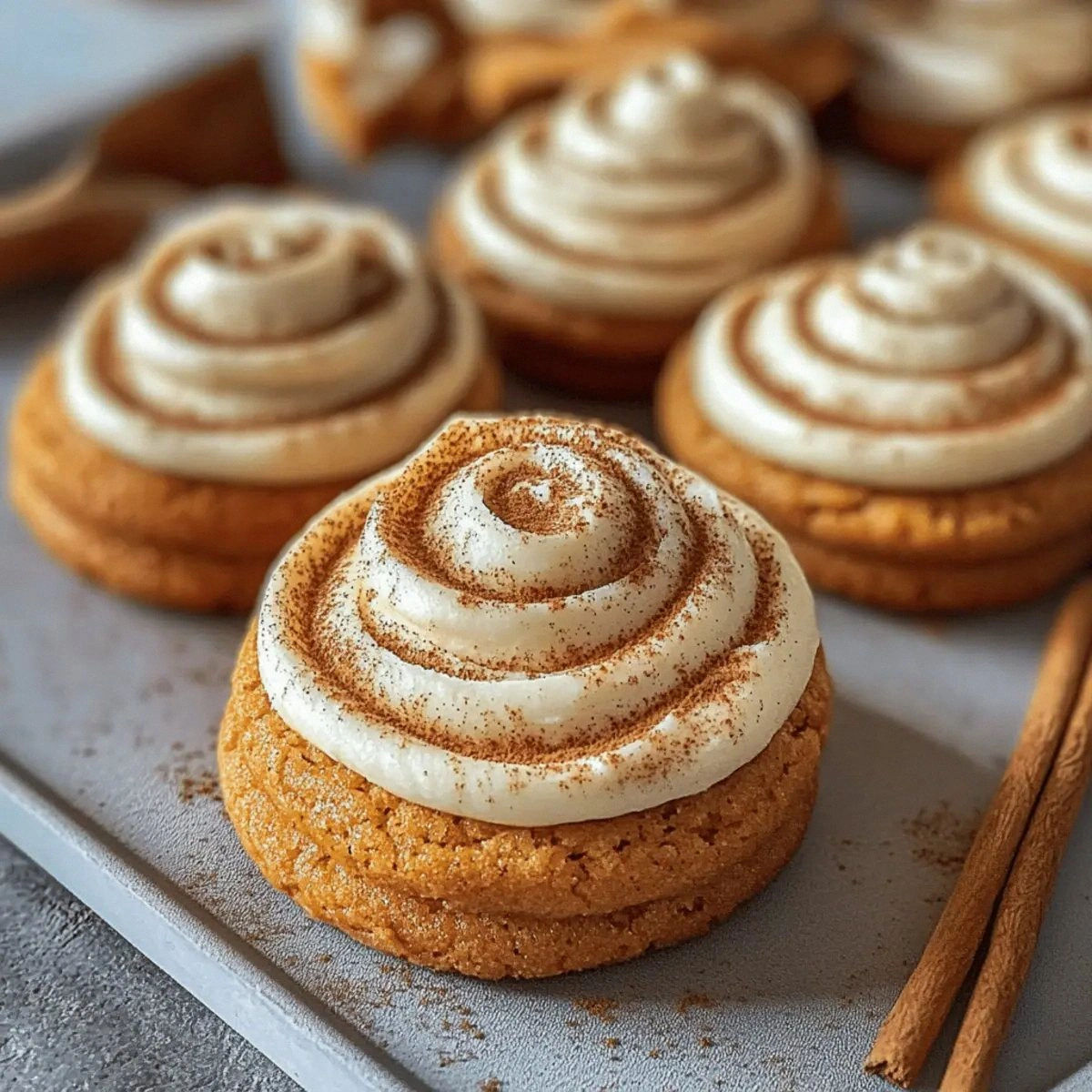
While the cookies are still warm, drizzle or spread the cream‑cheese frosting over each one. The heat will melt the glaze slightly, creating a glossy finish that looks like a caramel river. Let the frosting set for a few minutes, then serve.
That's it — you did it. But hold on, I've got a few more tricks that'll take this to another level...
Insider Tricks for Flawless Results
The Temperature Rule Nobody Follows
Never bake cookies straight from a cold fridge at a lower temperature; the sudden heat shock can cause the edges to harden too quickly, leaving a gummy center. Instead, let the dough sit at room temperature for 5 minutes after chilling, then bake at the full 350°F. This gentle transition ensures an even rise and that coveted soft interior.
Why Your Nose Knows Best
Your sense of smell is a more reliable timer than any clock when it comes to spiced cookies. When the aroma of cinnamon and nutmeg fills the kitchen, you’re about 2 minutes away from perfection. Trust that nose cue; if you’re still unsure, peek at the edges—they should be lightly golden, not dark.
The 5‑Minute Rest That Changes Everything
After baking, let the cookies rest on the baking sheet for exactly five minutes before moving them to a rack. This short pause allows the steam to redistribute, preventing the cookies from cracking and keeping the center moist. A friend once skipped this step and ended up with crumbly edges—let’s just say it didn’t end well.
Frosting Fluidity Fix
If your frosting looks too thick, add a splash of milk or heavy cream—just a teaspoon at a time. The goal is a glaze that flows like melted chocolate, coating the cookie without pooling.
The Double‑Layer Trick
For an extra‑decadent finish, apply a thin first layer of frosting while the cookie is still warm, then let it set for a minute before adding a second, thicker layer. This creates a glossy, almost marble‑like surface that’s both beautiful and delicious.
Creative Twists and Variations
This recipe is a playground. Here are some of my favorite ways to switch things up:
Maple‑Pecan Crunch
Swap half of the granulated sugar for pure maple syrup and fold in a handful of toasted pecans. The maple adds a caramel depth, while the pecans give a satisfying crunch that contrasts the soft interior.
Chocolate‑Swirl Delight
Add 2 tablespoons of cocoa powder to the dry ingredients and drizzle melted dark chocolate over the frosting. The bittersweet chocolate balances the pumpkin’s sweetness, creating a sophisticated flavor duo.
Spiced White Chocolate
Replace ¼ cup of powdered sugar in the frosting with finely grated white chocolate, and add a pinch of orange zest. The citrus note brightens the spice, while the white chocolate adds a creamy richness.
Vegan Velvet
Swap butter for coconut oil, use a plant‑based cream cheese alternative, and replace the egg with a flax‑egg (1 tbsp ground flaxseed + 3 tbsp water). The result is a vegan‑friendly cookie that still delivers that melt‑in‑your‑mouth texture.
Pumpkin Spice Latte
Add a teaspoon of instant espresso powder to the dry mix and finish with a drizzle of coffee‑infused frosting. It’s the perfect nod to the fall latte craze, with an extra caffeine kick.
Storing and Bringing It Back to Life
Fridge Storage
Place cooled cookies in an airtight container with a piece of parchment between layers. They’ll stay fresh for up to 5 days. If the frosting gets a little firm, let the container sit at room temperature for 10 minutes before serving.
Freezer Friendly
Freeze the baked, unfrosted cookies on a tray, then transfer to a zip‑top bag. They keep for up to 3 months. When you’re ready, bake them straight from the freezer for an extra 2‑3 minutes; the heat revives the soft interior.
Best Reheating Method
To bring them back to life, preheat the oven to 300°F, place cookies on a parchment sheet, and add a tiny splash of milk or heavy cream to the tray (just enough to create a light steam). Heat for 5‑7 minutes; the steam restores moisture, and the frosting regains its glossy sheen.