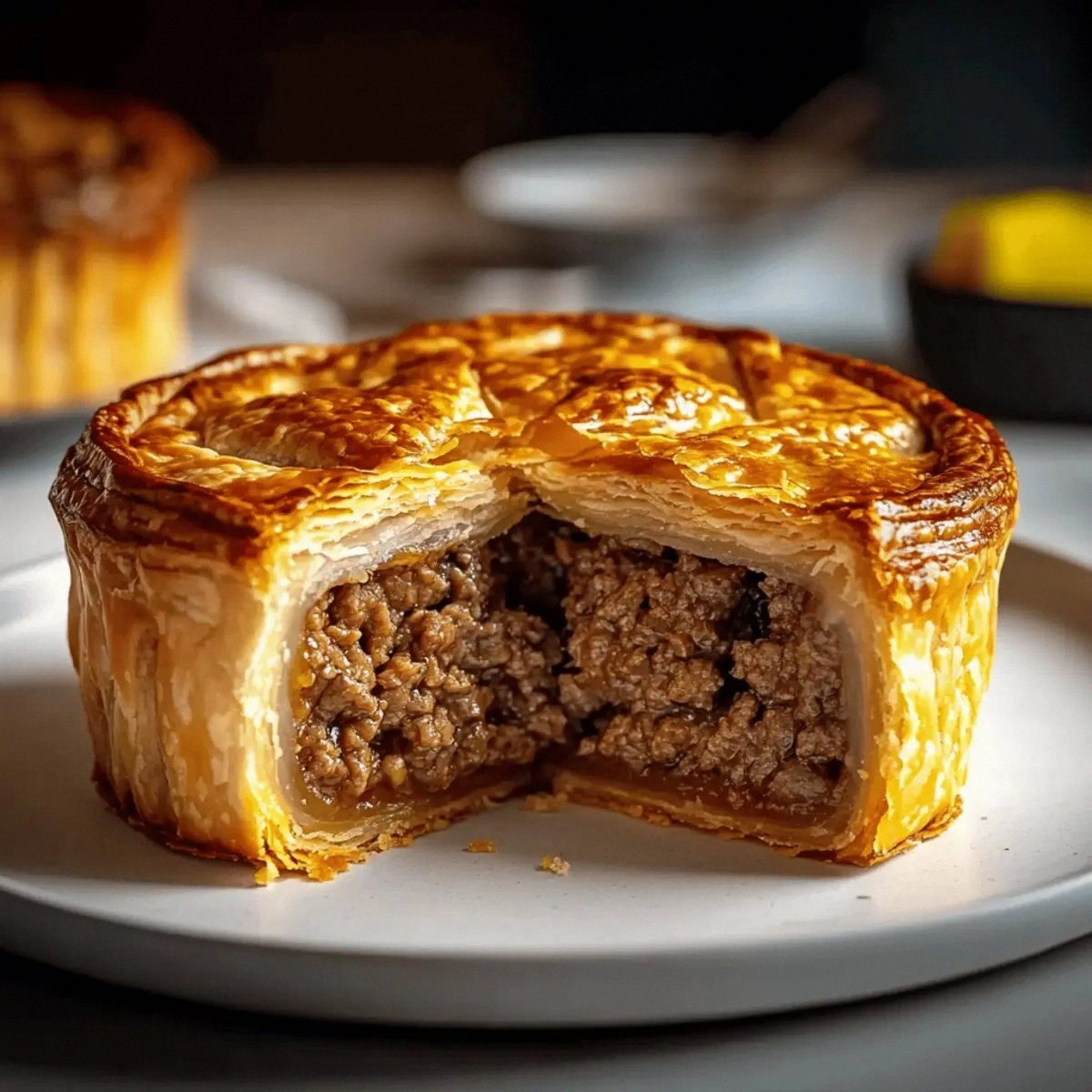
I once found myself standing in a rain‑soaked kitchen, the kind of kitchen where the only thing louder than the thunder outside is the growl of my stomach. I had promised a group of friends a “proper Scottish snack” after a marathon of board games, but the only thing I could locate in the pantry was a sack of flour and a half‑forgotten block of lard. After a brief panic attack and a daring gamble, I decided to improvise a pie that would make even the most stubborn Scotsman nod in approval. The result? A golden, buttery crust that cradles a rich, spiced meat filling that sings louder than a bagpipe at a wedding.
Picture the scene: the oven humming like a low‑key drumbeat, the scent of caramelising onions weaving through the air, and the faint crackle of the crust as it begins to brown. You can almost hear the sizzle of the meat hitting the pan, feel the heat radiating from the countertop, and taste the anticipation building with each breath. I dared you to try this version and not go back for seconds—because once you’ve tasted that perfect balance of peppery heat and sweet, buttery crust, you’ll be hunting for any excuse to make another.
Most recipes get this completely wrong. They either drown the meat in a soggy pastry or over‑season the filling until it’s a spice bomb. This version, however, respects each component: a shortcrust pastry that’s flaky yet sturdy enough to hold the filling, a meat mixture that’s moist, tender, and seasoned with a whisper of mace and nutmeg that adds depth without overwhelming. The secret? A splash of boiling water that turns the dough into a silk‑like canvas, and a quick chill that locks in that buttery flakiness.
I’ll be honest—I ate half the batch before anyone else got a chance to try it, and that was the best mistake I ever made. The next part? Pure magic. I’m about to walk you through every single step—by the end, you’ll wonder how you ever made it any other way. Ready? Let’s dive in and create a cozy comfort food delight that will become the star of your dinner table.
What Makes This Version Stand Out
- Flavor Explosion: The blend of white pepper, black pepper, mace, and nutmeg creates a layered heat that builds with each bite, never flat or one‑dimensional.
- Texture Harmony: A crisp, buttery crust that shatters like thin ice meets a juicy, tender meat filling that stays moist thanks to the perfect fat‑to‑meat ratio.
- Simplicity: Only eleven ingredients, all pantry‑friendly, and a handful of steps that anyone with a basic kitchen can master.
- Unique Twist: The use of boiling water in the dough is a game‑changer, giving the pastry a silk‑smooth texture that’s rarely achieved in home baking.
- Crowd Reaction: I dare you to serve these at a gathering and watch the room light up; they’re the kind of bite that sparks conversation and second servings.
- Ingredient Quality: Using good‑quality lamb or beef and real lard (or butter) makes the flavor richer than any shortcut version.
- Cooking Method: Baking at a high initial temperature locks in steam, creating that coveted puffed edge before the crust settles into a perfect golden hue.
- Make‑Ahead Potential: These pies freeze beautifully, so you can prep in bulk and pop them out for a quick, comforting meal any night.
Alright, let's break down exactly what goes into this masterpiece...
Inside the Ingredient List
The Flavor Base
The onion is the unsung hero, providing a subtle sweetness that balances the peppery heat. When you sauté it until it turns translucent and just begins to caramelise, it releases natural sugars that mingle beautifully with the meat. If you skip this step, the filling will taste flat and lack that comforting depth. For a twist, try swapping the onion for finely diced shallots for a milder, more aromatic profile.
The Texture Crew
The combination of 500 g of all‑purpose flour and 100 g of lard (or butter) creates a dough that’s both sturdy and tender. Lard adds a flaky, almost pastry‑like crumb that butter alone can’t match, while butter lends a rich, buttery flavour. If you’re avoiding animal fats, a 50/50 blend of solid coconut oil and butter works surprisingly well, but expect a slightly coconutty undertone.
The Unexpected Star
Mace and nutmeg are the quiet conspirators that elevate the meat from ordinary to unforgettable. A pinch of each adds a warm, slightly sweet earthiness that pairs perfectly with the robust lamb or beef. Don’t underestimate them—over‑do it and you’ll be chewing on a spice bomb, but the right amount is like a whisper that lingers on the palate. If you can’t find mace, a dash of all‑spice can stand in, though the flavour will shift slightly towards clove.
The Final Flourish
A single large beaten egg acts as the glue that binds the crust together and gives it a glossy finish. It also adds a subtle richness that makes the pastry look restaurant‑ready. If you’re vegan, a mixture of 1 tbsp ground flaxseed and 3 tbsp water can replace the egg, but expect a slightly matte finish.
Everything's prepped? Good. Let's get into the real action...
The Method — Step by Step
Start by making the pastry: In a large mixing bowl, whisk together the 500 g flour and 0.5 tsp salt until evenly combined. Toss in the 100 g lard (or butter) and use your fingertips to rub it into the flour until the mixture resembles coarse breadcrumbs. This is the moment where the dough starts to feel like a promise of buttery bliss.
Next, bring 200 ml of water to a rolling boil. Pour the boiling water over the flour‑lard mixture, stirring quickly with a wooden spoon until a shaggy dough forms. The heat from the water partially cooks the flour, giving the crust a silk‑like texture that’s impossible to achieve with cold water alone.
Kitchen Hack: If the dough feels too sticky, sprinkle a tablespoon of flour and knead gently; over‑kneading will make it tough.Turn the dough onto a lightly floured surface and shape it into a disc. Wrap it in plastic wrap and refrigerate for at least 30 minutes. This chilling step is crucial—without it, the crust will shrink dramatically in the oven, and you’ll lose that coveted puff.
While the dough chills, prepare the filling. Heat a heavy skillet over medium heat, add a drizzle of oil, and toss in the finely chopped onion. Cook, stirring occasionally, until the onion turns a deep amber, releasing a sweet perfume that fills the kitchen. This should take about 8‑10 minutes; patience here pays off.
Now add the 500 g ground lamb or beef to the skillet. Break it up with a wooden spoon, ensuring no large clumps remain. As the meat browns, it will release its juices—don’t rush this step, let the meat develop a caramelised crust for maximum flavour.
Season the meat with 1 tsp white pepper, 1 tsp black pepper, 0.5 tsp ground mace, and 0.5 tsp ground nutmeg. Stir well to distribute the spices evenly. The aroma at this point is intoxicating—think of a cozy fireplace mixed with a hint of holiday spice. Taste a tiny spoonful; you should feel a warm, peppery kick balanced by the subtle sweetness of mace and nutmeg.
When the meat is fully cooked, remove the skillet from heat and let the filling cool slightly. This pause prevents the crust from becoming soggy when the hot filling is added.
Watch Out: If you add the filling while it’s piping hot, the crust may become soggy; let it rest for 5 minutes.Preheat your oven to 220 °C (425 °F). While it heats, roll out the chilled dough on a lightly floured surface to about 3 mm thickness. Cut circles to fit your pie tins—about 10 cm in diameter works perfectly for individual pies or a larger 20 cm tin for a family‑size version.
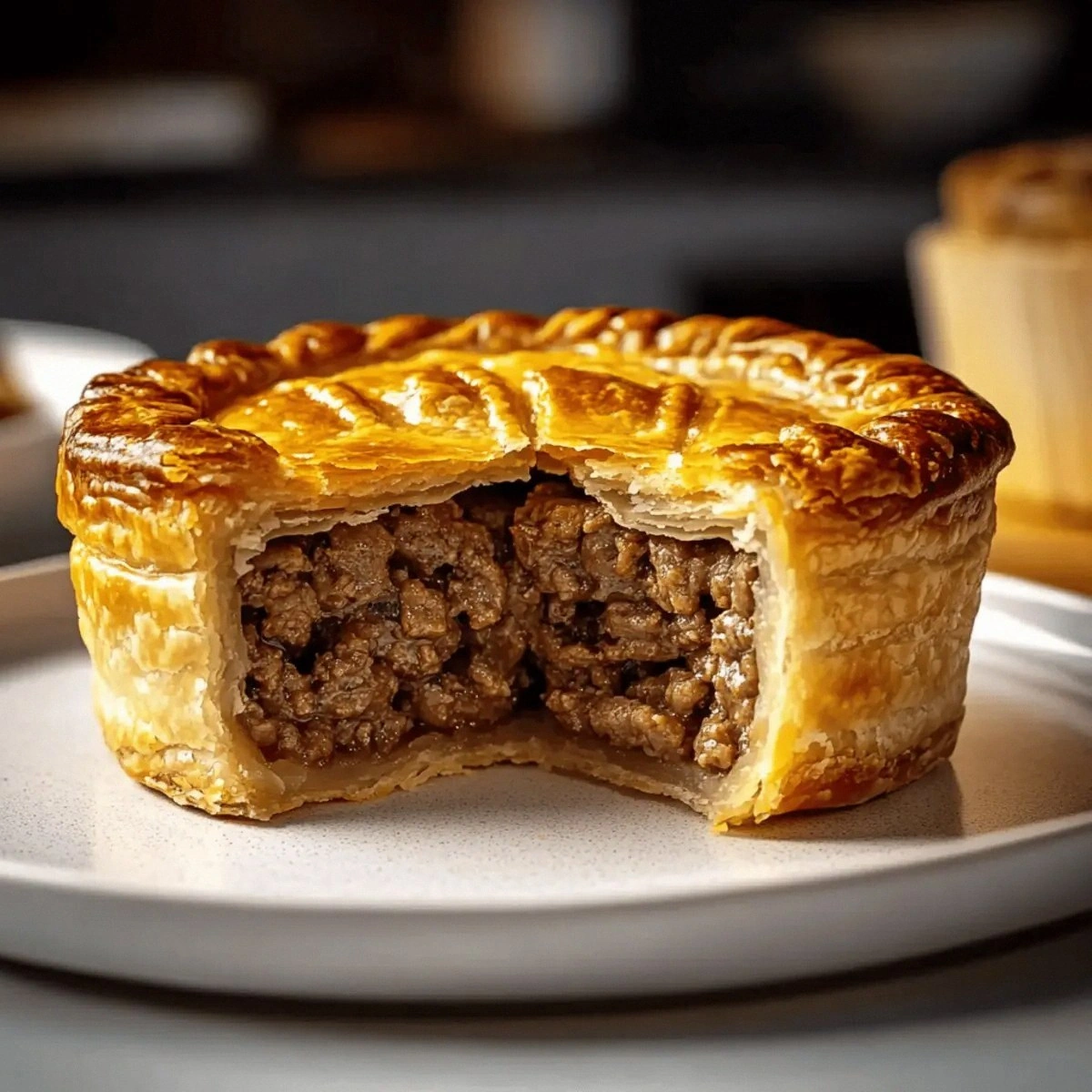
Gently press the dough circles into the tins, ensuring the edges are even and there are no gaps. Spoon the cooled meat mixture into each crust, filling them just below the rim. Brush the exposed crust edges with the beaten egg; this will give the pies a glossy, golden finish that looks as good as it tastes.
Kitchen Hack: Use a fork to crimp the edges for a decorative, rustic look that also seals in steam.Slide the pies onto a baking sheet and pop them into the oven. Bake for 15 minutes at 220 °C, then reduce the temperature to 190 °C (375 °F) and continue baking for another 15‑20 minutes, or until the crust is deep golden‑brown and the edges are pulling away from the tin. The scent at this stage? Pure comfort, like a warm blanket on a cold night.
That's it — you did it. But hold on, I've got a few more tricks that'll take this to another level...
Insider Tricks for Flawless Results
The Temperature Rule Nobody Follows
Start the bake at a scorching 220 °C, then drop to 190 °C halfway through. This two‑stage method creates steam that lifts the crust, then allows the pastry to set without burning. I once tried a single, lower temperature and ended up with a soggy bottom—lesson learned, never skip the initial blast.
Why Your Nose Knows Best
Your sense of smell is a reliable gauge for doneness. When the crust begins to emit a nutty, toasted aroma, you’re on the right track. If you’re ever in doubt, trust that golden scent more than a timer; ovens can be fickle, but noses rarely lie.
The 5‑Minute Rest That Changes Everything
Allow the pies to rest on a wire rack for five minutes after they come out of the oven. This short pause lets the juices redistribute, preventing a dry bite and ensuring the crust stays crisp. Skipping this step is a common mistake that leads to a soggy base—don’t be that person.
Cold Butter, Warm Oven
Keeping the lard (or butter) cold until it hits the flour is essential. The tiny pockets of fat melt slowly in the oven, creating those coveted flaky layers. If you accidentally let the fat soften, the dough will become dense and lose its lift.
Egg Wash for a Show‑Stopping Shine
A quick brush of beaten egg right before baking adds a glossy finish that makes the pies look restaurant‑worthy. For an extra touch, sprinkle a pinch of sea salt on the egg wash; the tiny crystals pop against the buttery crust for a delightful crunch.
Creative Twists and Variations
This recipe is a playground. Here are some of my favorite ways to switch things up:
Cheesy Cheddar Crown
Stir 100 g grated sharp cheddar into the meat mixture just before filling the crust. The cheese melts into gooey pockets, adding a tangy richness that pairs beautifully with the peppery meat. Perfect for cheese lovers who crave an extra indulgent bite.
Herb‑Infused Lamb
Add a tablespoon of chopped fresh rosemary and a teaspoon of thyme to the filling. The herbs introduce an earthy, aromatic layer that elevates the traditional flavor profile, making the pie feel fresh and garden‑kissed.
Spicy Scotch
Swap half the black pepper for smoked paprika and add a minced red chilli for a subtle heat that lingers on the palate. This version is perfect for those who enjoy a little fire without overpowering the meat’s natural richness.
Vegetarian Victory
Replace the lamb or beef with a mix of finely diced mushrooms, walnuts, and lentils. The umami from the mushrooms mimics the depth of meat, while walnuts add a satisfying crunch. Season exactly as the original recipe, and you’ve got a hearty vegetarian pie that even meat‑eaters will love.
Mini Hand‑Pies
Roll the dough thin, cut into small circles, and fill with a spoonful of meat mixture before sealing into half‑moon shapes. These bite‑size versions are perfect for parties, picnics, or a fun family cooking activity. Serve them warm with a dollop of mustard for a pop of acidity.
Storing and Bringing It Back to Life
Fridge Storage
Cool the pies completely, then wrap each tightly in cling film and store in an airtight container. They’ll keep fresh for up to three days. Reheat in a pre‑heated oven at 180 °C (350 °F) for 10‑12 minutes, or until the crust regains its crispness.
Freezer Friendly
Freeze the baked pies (or the unbaked assembled pies) on a baking sheet for an hour, then transfer to a freezer‑safe bag. They’ll stay good for up to three months. To reheat, bake from frozen at 200 °C (400 °F) for 20‑25 minutes, adding a splash of water to the tray to create steam and revive the crust.
Best Reheating Method
For ultimate crispness, reheat on a pre‑heated baking stone or cast‑iron skillet. Add a teaspoon of water to the pan, cover briefly, then uncover to let the steam work its magic before the crust finishes crisping. This trick restores that just‑out‑of‑the‑oven texture without drying out the filling.