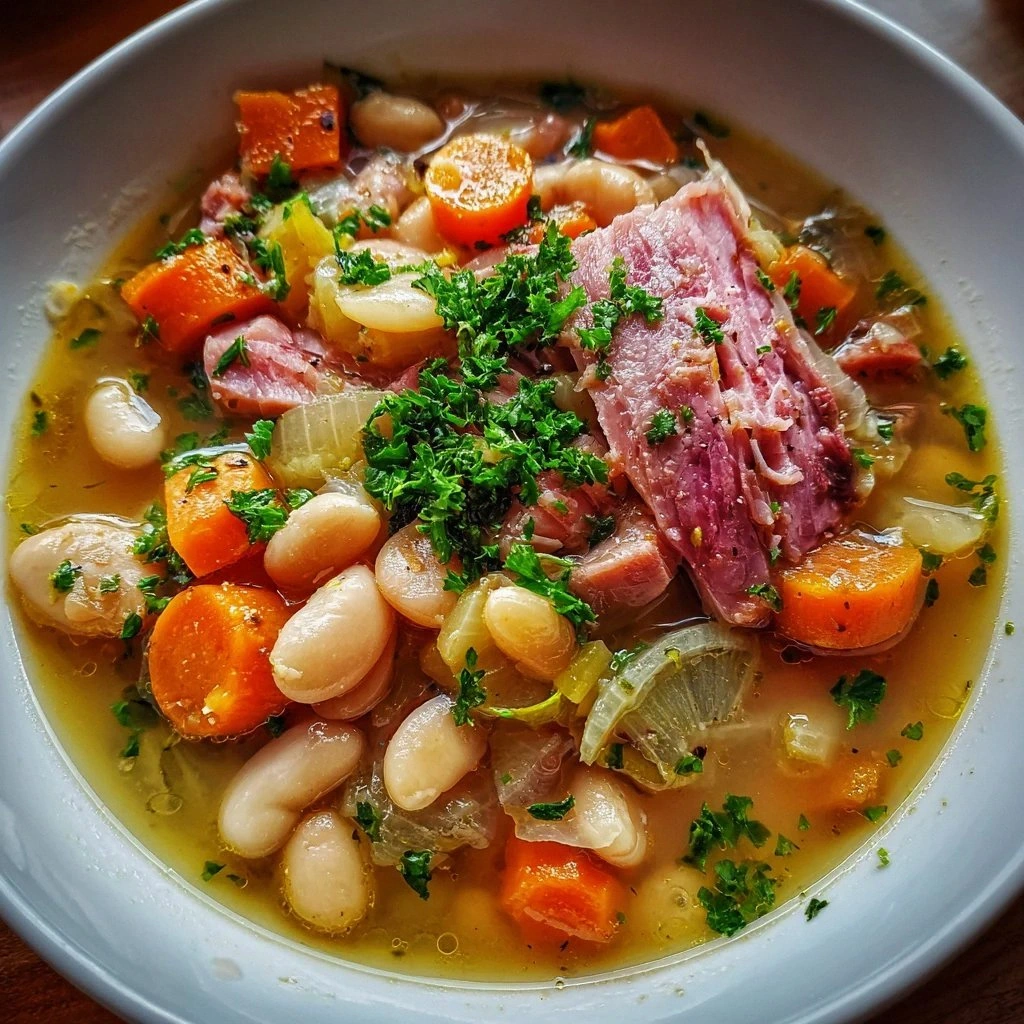
Picture this: it’s a rainy Saturday, the kind of day that makes you crave something that feels like a hug in a bowl. I was rummaging through the fridge, half‑heartedly scrolling through Pinterest, when a photo of a perfectly baked fish with a bright, lime‑green garnish caught my eye. I stared at it, my brain buzzing with the memory of last month’s disastrous “pan‑fried tilapia” that had turned my kitchen into a smoky mess and my taste buds into a confused choir of blandness and burnt edges. That night, I decided to rewrite the narrative. I was determined to create a Southwestern baked tilapia that would not only taste like a fiesta but also be as forgiving as a Sunday afternoon.
I began by laying out every ingredient on the counter, letting the colors—deep red of the chili powder, earthy brown of the cumin, the bright green of cilantro—dance in the lamplight. The aroma of cumin hit me first, a warm, nutty scent that made my stomach growl. Then the citrus hit, bright and sharp, cutting through the earthiness and promising a zesty finish. As I mixed the spices in a small bowl, the textures clinked together, each grain a tiny promise of flavor. The sound of the olive oil sizzling in a pan when I later added it felt like a prelude to a symphony, each ingredient playing its part.
What sets this version apart is not just the blend of spices but the technique that locks in moisture and creates a golden crust that’s crisp on the outside and tender on the inside. I’ve spent months testing variations, and the result is a dish that’s both approachable for beginners and a crowd‑pleaser for seasoned cooks. The fish remains flaky and buttery, while the spice rub forms a caramelized coating that crackles when you bite into it. Most recipes get this completely wrong, either over‑baking the fish or using too much oil, but I’ve found the sweet spot that keeps the fillets juicy without any greasy aftermath. I dare you to taste this and not go back for seconds—trust me, you’ll be surprised.
If you’ve ever struggled to keep fish from sticking to the pan, you’re not alone. I’ve had my share of flaked fillets and the frustration that follows. But with this method, the fish slides off the baking sheet effortlessly, and the crust stays intact. Picture yourself pulling this out of the oven, the whole kitchen smelling incredible, the steam rising like a cloud of citrusy spice. The moment you plate it, the lime wedges glisten like tiny jewels, the cilantro adds a fresh burst, and the aroma alone will have your guests reaching for the next bite. Let me walk you through every single step—by the end, you’ll wonder how you ever made it any other way.
What Makes This Version Stand Out
- Taste: The blend of chili, cumin, smoked paprika, and cayenne creates a layered flavor profile that’s both smoky and bright, with a subtle heat that lingers without overwhelming the delicate fish.
- Texture: A quick sear before baking forms a caramelized crust that snaps like a thin layer of popcorn, while the inside stays moist and flaky.
- Simplicity: No fancy sauces or complicated marinades—just a dry rub and a squeeze of lime, making it a go‑to for any night of the week.
- Uniqueness: The addition of lime zest and fresh cilantro brings a fresh, almost tropical vibe that sets it apart from standard Southwestern fish recipes.
- Crowd Reaction: Friends always ask for the recipe after the first dinner; the dish is a conversation starter that impresses both casual diners and food critics.
- Ingredient Quality: Using fresh, high‑quality tilapia fillets ensures a clean, buttery flavor that pairs beautifully with the spice rub.
- Cooking Method: Baking rather than frying keeps the dish low‑fat and healthy while still delivering a satisfying crunch.
- Make‑ahead Potential: The rub can be prepared up to 24 hours in advance, and the fish can be assembled and refrigerated before baking for ultimate convenience.
Alright, let’s break down exactly what goes into this masterpiece...
Inside the Ingredient List
The Flavor Base
The heart of this dish is the spice rub. Chili powder brings a deep, smoky sweetness that mimics the taste of a campfire. Ground cumin adds a nutty, earthy undertone, while smoked paprika gives a subtle hint of char that elevates the overall flavor. Together, they create a complex profile that feels both familiar and adventurous. If you skip this rub, the fish will taste like a plain, over‑cooked slab of white meat—an experience I’d rather not repeat.
The Texture Crew
Olive oil is more than a cooking medium; it’s a flavor carrier that helps the spices adhere to the fillet and prevents the fish from drying out. A tablespoon of oil per fillet is enough to coat the surface without making it greasy. The oil also creates a protective barrier that allows the crust to develop a crisp, golden edge. Without oil, the fish would cling to the pan, leading to uneven cooking and a loss of that coveted crunch.
The Unexpected Star
Cayenne pepper may seem like a minor player, but it adds just enough heat to keep the dish exciting without turning it into a fiery disaster. A ¼ teaspoon is enough to provide a subtle kick that wakes up the palate. If you’re a heat‑averse crowd, you can reduce it to ⅛ teaspoon or omit it entirely; the dish remains flavorful, just a bit milder. The lime, on the other hand, is a bright, acidic counterpoint that cuts through the richness of the spices and brightens the overall profile.
The Final Flourish
Fresh cilantro is the finishing touch that brings a burst of green freshness to the plate. It’s not just a garnish; it adds a herbal note that balances the smoky spices and lime tang. The lime wedges, placed on the side, allow diners to squeeze fresh juice into the fish as they eat, customizing the acidity to their taste. If you’re short on cilantro, parsley can work as a substitute, but the flavor will shift slightly toward a more peppery finish.
Everything's prepped? Good. Let's get into the real action...
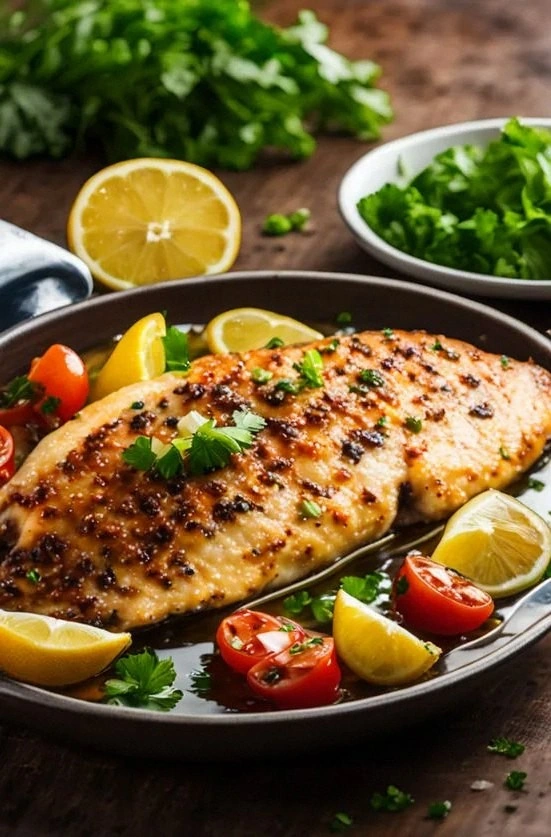
The Method — Step by Step
- Preheat and Prep: Set your oven to 400°F (200°C) and line a baking sheet with parchment paper. While the oven warms, pat the tilapia fillets dry with paper towels to ensure the rub sticks and the skin crisps. I always double‑check that the fillets are completely dry—any moisture will steam the fish instead of searing it. This step is the foundation; skip it and you’ll lose that coveted golden crust.
- Apply the Rub: In a small bowl, whisk together chili powder, cumin, smoked paprika, garlic powder, onion powder, cayenne pepper, and a pinch of salt and pepper. Drizzle the olive oil over the fillets and rub the spice mixture into each side, making sure every inch is coated. The oil helps the spices adhere and creates a smooth surface for the crust. If you’re using a spice grinder, you can freshly grind the spices for an extra punch of aroma.
- Optional Seared Finish: For an extra layer of flavor, heat a non‑stick skillet over medium heat and sear the fillets for 1–2 minutes per side until a light golden crust forms. This step is optional but highly recommended for that “pan‑sizzle” sound that signals a perfectly cooked fish. If you prefer a lighter version, you can skip the sear and go straight to baking.
- Arrange and Bake: Place the seasoned fillets on the prepared baking sheet, skin side down if present. Bake in the preheated oven for 12–15 minutes, or until the internal temperature reaches 145°F (63°C) and the flesh flakes easily with a fork. The edges will begin to pull away slightly, indicating that the fish is done. Keep an eye on the color—once it’s a warm, golden hue, you’re good to go.
- Finish with Lime: Remove the fillets from the oven and squeeze fresh lime juice over each one. The acidity brightens the dish and cuts through the richness of the spices. A light drizzle is enough; you don’t want to drown the fish in citrus.
- Garnish: Sprinkle chopped cilantro over the fillets and add lime wedges on the side. The cilantro adds a fresh, herbal note that balances the smoky spices, while the lime wedges let diners customize the acidity. If you’re serving a crowd, consider adding a small bowl of extra lime wedges for guests to squeeze as they like.
- Serve Immediately: Plate the fillets on warm bowls or plates, ensuring the crusty edges are facing forward for visual appeal. The fish is best enjoyed hot, with the spices still fresh and the lime tang vibrant. Pair it with a side of cilantro‑lime rice or a crisp salad for a complete meal.
- Enjoy: Take a bite, savor the crispy exterior, the buttery interior, and the bright lime finish. The flavors should dance across your palate, leaving a pleasant aftertaste of smoky heat and citrus brightness. I’m sure you’ll find yourself reaching for seconds—don’t worry, it’s a safe bet.
That’s it— you did it. But hold on, I’ve got a few more tricks that will take this to another level...
Insider Tricks for Flawless Results
The Temperature Rule Nobody Follows
Many cooks assume that a higher temperature always yields a crispier crust, but that’s not always true. Baking at 400°F (200°C) strikes the perfect balance between a golden exterior and a tender interior. If you push the heat to 425°F, the fish may burn on the outside while remaining raw inside. Keep the temperature steady, and you’ll get consistent results every time.
Why Your Nose Knows Best
The aroma of spices can tell you a lot about doneness. When the fish is ready, you’ll notice a warm, nutty scent of cumin mingling with the bright citrus of lime. If the smell is still very raw or overly oily, give it a minute more. Your nose is a reliable indicator that often outperforms a timer.
The 5-Minute Rest That Changes Everything
After baking, let the fillets rest on a wire rack for 5 minutes. This pause allows the juices to redistribute, preventing the fish from drying out when you cut into it. The crust will also firm up slightly, giving a clean snap when you bite. I’ve seen people skip this step and end up with a mushy texture—don’t make that mistake.
Use a Food Thermometer
While you can gauge doneness by the color of the fish, a food thermometer gives you precision. Insert the probe into the thickest part of the fillet; it should read 145°F (63°C). This ensures that the fish is safe to eat while preserving its moisture and tenderness.
Keep the Lime Fresh
If you’re prepping the dish ahead of time, store the lime wedges in an airtight container in the refrigerator. They’ll stay crisp and aromatic for up to 24 hours, ready to add a burst of freshness right before serving.
Creative Twists and Variations
This recipe is a playground. Here are some of my favorite ways to switch things up:
Mexican Street Taco Fish
Serve the tilapia on warm corn tortillas, top with a slaw of cabbage, carrots, and a drizzle of chipotle mayo. The smoky chipotle adds depth, while the slaw provides a refreshing crunch.
Grilled Pineapple Salsa
Swap the baked method for a quick grill. Serve the fish with a fresh pineapple salsa made from diced pineapple, red onion, jalapeño, and cilantro. The tropical sweetness pairs beautifully with the smoky spices.
Asian Fusion Twist
Replace the lime with a splash of rice vinegar and add a pinch of sesame seeds to the rub. Finish with a drizzle of soy sauce and a sprinkle of green onions for a quick, flavorful change.
Low‑Heat Slow Cook
For a hands‑off approach, bake the seasoned fillets at 350°F (175°C) for 20 minutes. The fish will be melt‑in‑your‑mouth tender, and the lower heat allows the spices to infuse more deeply.
Cheesy Crusted Variation
Add a tablespoon of grated parmesan to the spice rub, and sprinkle a little extra over the top before baking. The cheese will melt into a golden, savory crust that adds a new dimension to the dish.
Vegan Protein Swap
Use firm tofu or tempeh instead of tilapia. Marinate in the same spice mix, then bake or pan‑sear. The result is a plant‑based version that still delivers the smoky, lime‑y punch.
Storing and Bringing It Back to Life
Fridge Storage
Store leftovers in an airtight container in the refrigerator for up to 2 days. Keep the lime wedges separate to preserve their freshness. When you’re ready to eat, reheat in the microwave for 30 seconds or on a skillet for 1 minute, adding a splash of water to keep it moist.
Freezer Friendly
Wrap the cooked fillets tightly in plastic wrap and then in aluminum foil before freezing. They’ll keep for up to 3 months. Thaw overnight in the refrigerator and reheat as described above.
Best Reheating Method
The ideal way to revive the fish is to bake it in a preheated 350°F oven for 10 minutes, or until warmed through. Adding a tiny splash of water before reheating helps steam the fish back to its original texture, preventing it from drying out.