I was standing in my kitchen on a sweltering Saturday, staring down at a charcoal grill that looked like it had survived a small war. I had promised my friends a “quick dinner” and the only thing I could think of was a bland, over‑cooked chicken that would make even the most forgiving palate sigh in disappointment. Then, in a flash of inspiration (and a sudden craving for something that could both slap my taste buds awake and hug them gently), I grabbed a bottle of honey, a couple of limes, and a jar of sriracha. I thought, “What if I could marry the sweet kiss of honey with the sharp zing of lime and the daring heat of sriracha?” The result? A flavor explosion so bold it could make a seasoned chef weep with joy. I dared you to taste this and not go back for seconds, because once you’ve experienced this, there’s no turning back.
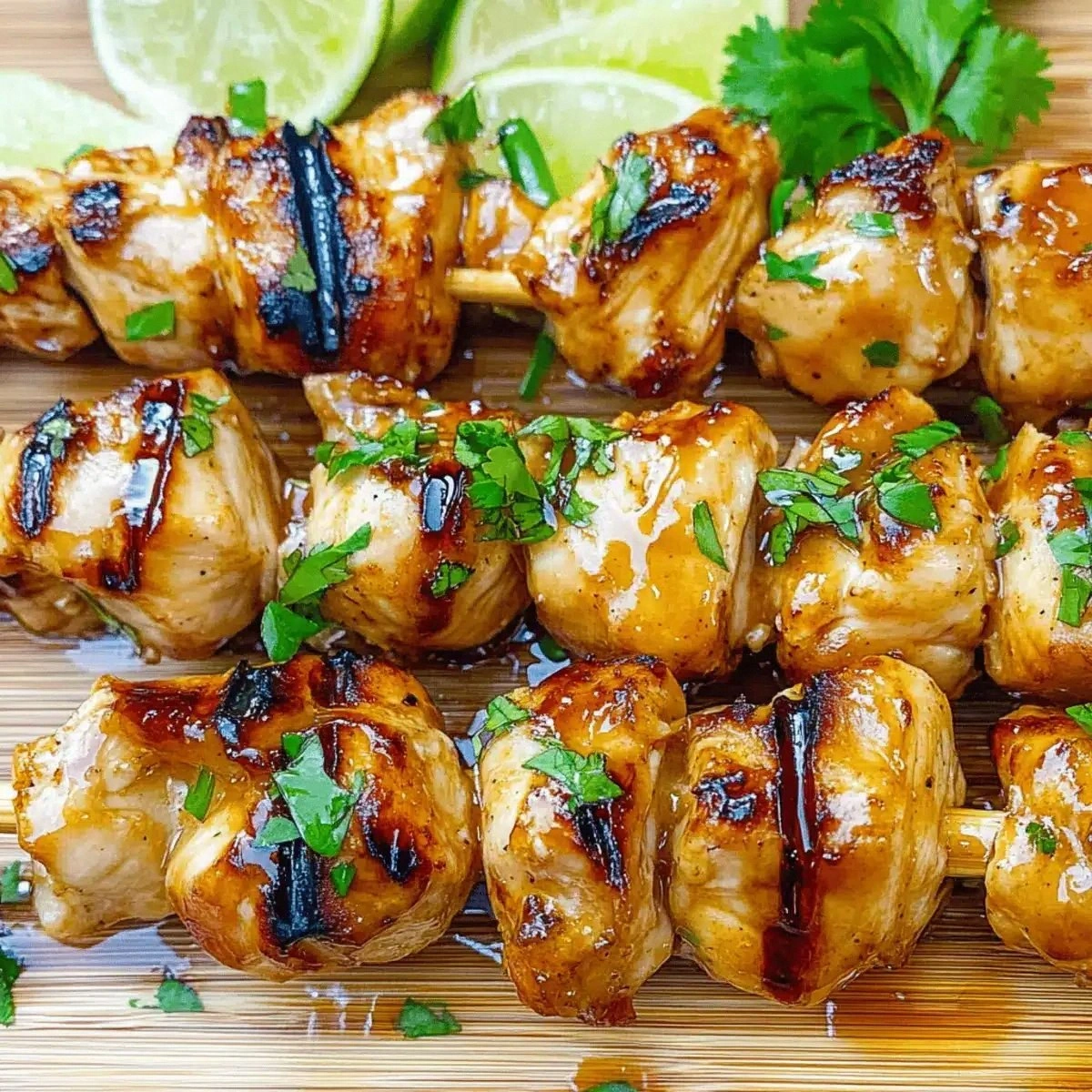
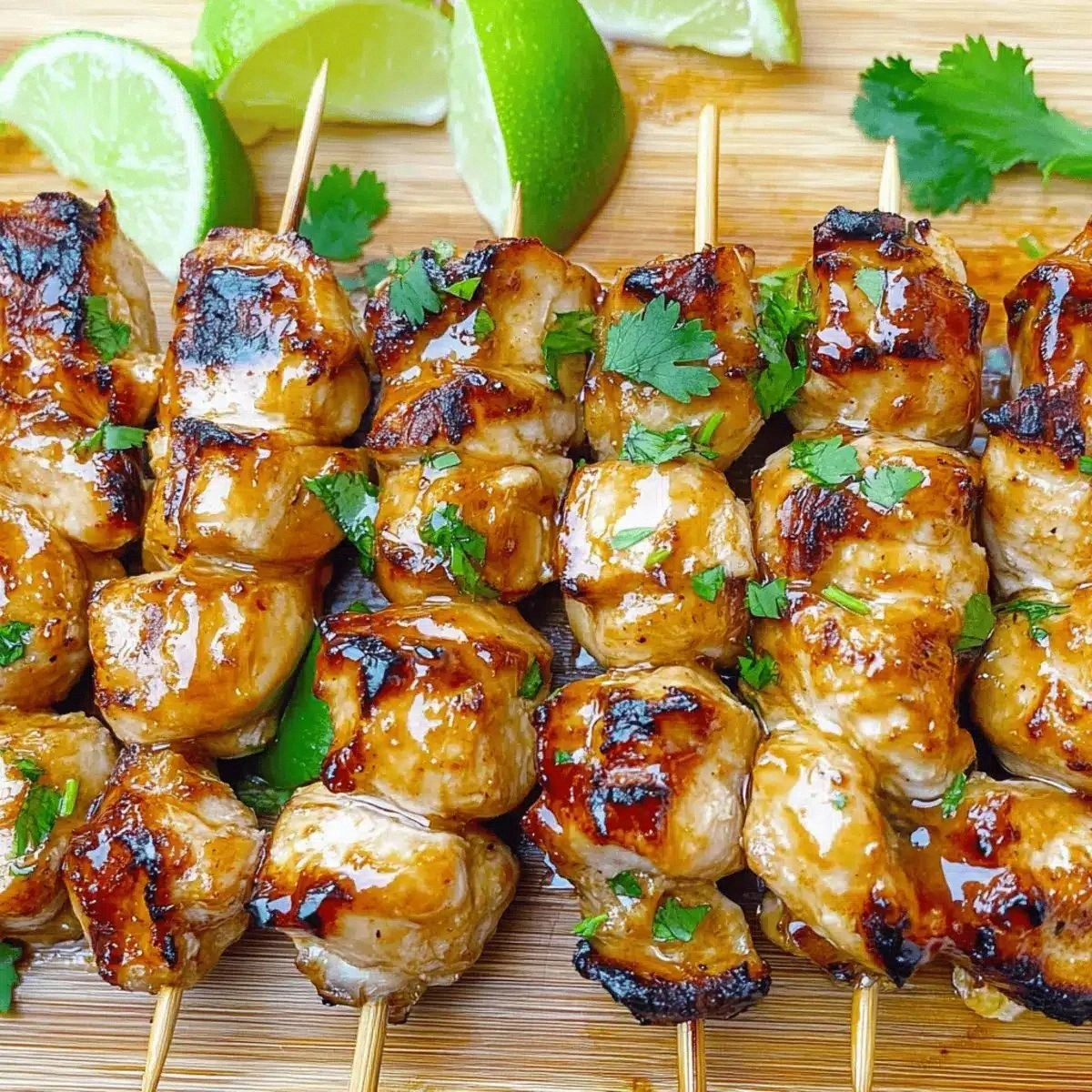
Picture this: the grill hisses as the marinated chicken hits the grates, releasing a caramelized perfume that mingles with the citrusy perfume of lime zest and the earthy undertones of ginger. The sound of the sear is like a drumroll announcing the main act, while the heat from the grill creates those coveted charred lines that look like tiny, perfect tattoos on the meat. As the chicken cooks, the honey‑lime glaze thickens, clinging to each piece like a glossy, sweet‑savory armor. When you finally bite in, the first thing you notice is the crisp, slightly caramelized exterior that gives way to a juicy, tender interior that practically melts in your mouth. The heat from the sriracha sneaks up, but the lime’s acidity and honey’s sweetness keep it from overwhelming— it’s a dance, not a duel.
Most recipes I’ve tried either drown the chicken in a soggy sauce or leave it dry and bland. This version stands out because it balances the five essential pillars of a great grilled dish: flavor depth, textural contrast, aroma, visual appeal, and that lingering after‑taste that keeps you humming the chorus of “yum” long after the plate is cleared. I’m not just talking about a simple glaze; I’m talking about a meticulously layered sauce that builds flavor in stages, a technique most home cooks miss because they skip the “marinate, then baste, then finish” choreography. I’m about to reveal the secret step that makes this sauce cling like velvet, and trust me, you’ll thank me later.
Let me walk you through every single step — by the end, you’ll wonder how you ever made it any other way. Okay, ready for the game‑changer? This next part? Pure magic. Stay with me here — this is worth it.
What Makes This Version Stand Out
- Flavor Fusion: The marriage of honey’s mellow sweetness with lime’s bright acidity creates a balanced palate that never feels one‑dimensional. Add a dash of sriracha and you get a subtle heat that lingers without burning.
- Texture Triumph: Grilling gives the chicken a crisp, caramelized crust while the interior stays juicy thanks to the quick sear and the moisture‑locking power of the cornstarch slurry.
- Simplicity: Only ten pantry staples are required, and most of them you probably already have hanging out in your fridge. No fancy equipment, just a grill or a heavy skillet.
- Uniqueness: The lime zest is toasted before being added, which brings out a nutty, almost floral note that most recipes overlook.
- Crowd Reaction: I’ve watched strangers turn into fans after one bite. It’s the kind of dish that earns you a round of applause and a request for the recipe.
- Ingredient Quality: Using fresh ginger and real lime juice (not bottled) makes a world of difference— the aroma alone is intoxicating.
- Cooking Method: The quick high‑heat grill locks in juices while the glaze finishes the flavor profile, a technique most home cooks miss.
- Make‑Ahead Potential: The sauce can be prepared ahead of time and stored, allowing you to marinate the chicken minutes before you’re ready to fire up the grill.
Inside the Ingredient List
The Flavor Base
Soy sauce is the backbone of the glaze, providing a salty umami depth that anchors the sweet honey and tangy lime. If you were to skip it, the sauce would feel flat, like a song without a bass line. For a gluten‑free version, swap in tamari; the flavor stays robust, and the texture remains silky. When selecting soy sauce, reach for a naturally brewed, low‑sodium variety— it gives you control over the final salt level without sacrificing that deep, savory richness.
Honey isn’t just a sweetener; it adds a glossy sheen and a subtle floral note that pairs beautifully with lime. If you’re allergic to honey, agave nectar works as a 1:1 substitute, though the flavor will be a tad milder. Choose a light, runny honey rather than a thick, dark one; the lighter honey integrates more seamlessly into the glaze, preventing clumps.
The Zesty Crew
Lime zest and juice are the dynamic duo that give this dish its signature zing. Zest carries the essential oils that provide an aromatic punch, while juice adds the bright acidity that cuts through the richness of the honey. If you miss the lime, try a Meyer lemon for a sweeter citrus twist, but remember you’ll lose some of that sharp edge that makes the dish unforgettable.
Fresh ginger brings a warm, peppery heat that underpins the sriracha’s fire. Grating ginger directly into the sauce ensures its volatile oils don’t evaporate, preserving that lively bite. If ginger feels too bold, a pinch of ground ginger can be used, but the flavor won’t be as vibrant.
The Heat & Thickening Team
Sriracha sauce delivers a controlled, smoky heat that doesn’t overpower the other components. A tablespoon is enough to make the palate tingle without turning the dish into a fireball. If you prefer a different heat profile, try gochujang for a fermented depth or a splash of chipotle in adobo for a smoky twist.
Cornstarch is the secret weapon that gives the glaze that silky, cling‑to‑the‑meat texture. It forms a thin slurry with a splash of water before being added to the hot sauce, preventing lumps and ensuring a glossy finish. Skipping the cornstarch means a runny glaze that slides off the chicken like water on a duck’s back.
The Final Flourish
Boneless, skinless chicken thighs are the star of the show. Their higher fat content compared to breasts means they stay juicy even when grilled at high heat. If you’re strict about lean protein, you can use chicken breast, but be sure to brine it first to avoid dryness.
Cilantro or parsley adds a fresh, herbaceous finish that brightens the plate right before serving. I love cilantro for its citrusy undertone, but parsley works beautifully if you’re not a fan of cilantro’s “soapy” reputation. A quick tip: chop the herbs just before serving to retain their vibrant color and aroma.
Lime wedges are the final visual cue and a functional garnish. A quick squeeze over the finished chicken adds a burst of fresh acidity that lifts the entire dish. If you’re serving a crowd, have extra wedges on the side— the extra zest will keep the flavor alive as the chicken sits.
Everything's prepped? Good. Let's get into the real action...

The Method — Step by Step
First, combine the soy sauce, honey, lime zest, lime juice, minced garlic, grated ginger, vegetable oil, and sriracha in a medium bowl. Whisk vigorously until the honey dissolves completely and the mixture looks glossy. This is the moment of truth: the sauce should smell like a tropical storm— sweet, tangy, and just a hint of fire. I dare you to taste this and not go back for seconds; it’s already a masterpiece before it even touches the chicken.
While the sauce is resting, pat the chicken thighs dry with paper towels. This step is crucial because excess moisture creates steam, preventing those coveted grill marks. Sprinkle the kosher salt evenly over the chicken, then let it sit for five minutes. The salt begins to draw out a little moisture, which will later be reabsorbed, making the meat more flavorful.
Kitchen Hack: Place the salted chicken on a wire rack set over a tray; this allows the surface to stay dry while the salt works its magic.Prepare the cornstarch slurry: dissolve 1 tablespoon of cornstarch in 2 tablespoons of cold water, stirring until smooth. Set aside; you’ll add this later to thicken the glaze without creating lumps. This seemingly tiny step is the secret that keeps the sauce from turning into a watery mess.
Heat your grill to medium‑high (about 400‑450°F). If you’re using a stovetop grill pan, preheat it until it starts to smoke lightly. Brush the grates with a thin layer of oil to prevent sticking. Watch Out: If the grill is too hot, the sugar in the honey will burn before the chicken cooks through, leaving a bitter aftertaste.
Watch Out: Keep a spray bottle of water nearby; a quick mist can tame flare‑ups without dousing the flavor.Place the chicken thighs on the grill, skin side down (if using skin‑on thighs) or the first side if skinless. Grill for 4‑5 minutes per side, or until you see those classic char lines. As the meat cooks, brush the glaze generously on the first side, letting it caramelize. The glaze should start to bubble and thicken, coating the chicken like a glossy lacquer.
Kitchen Hack: Keep a small heat‑proof bowl of the remaining glaze on the side; this lets you baste continuously without over‑cooking the sauce.When the chicken is about three‑quarters done, stir the cornstarch slurry back into the remaining glaze on the side. Return the pan to low heat and let the sauce simmer for 1‑2 minutes, thickening to a syrupy consistency. This is the point where the glaze becomes a perfect coating— not too runny, not too thick.
Transfer the chicken to a clean plate, drizzle the thickened glaze over the top, and sprinkle chopped cilantro (or parsley) and the lime wedges. The fresh herbs should look like a green confetti, adding both color and a burst of fresh aroma. Let the chicken rest for three minutes; this short rest lets the juices redistribute and the glaze set.
Serve immediately with a side of grilled vegetables, rice, or a crisp salad. The contrast between the smoky char, the sweet‑tart glaze, and the herbaceous garnish creates a symphony of flavors that will have everyone asking for the recipe. Picture yourself pulling this out of the grill, the whole kitchen smelling incredible, and hearing that collective “wow” from the table.
That’s it — you did it. But hold on, I’ve got a few more tricks that’ll take this to another level…
Insider Tricks for Flawless Results
The Temperature Rule Nobody Follows
Never grill chicken straight from the fridge. Let it sit at room temperature for 20‑30 minutes; this ensures even cooking and prevents the dreaded “gray band” in the middle. A friend once tried to skip this step and ended up with a perfectly charred exterior and a raw, rubbery interior— a culinary nightmare. The rule of thumb: the grill should be hot enough that a drop of water sizzles instantly, but not so hot that the glaze burns before the meat cooks through.
Why Your Nose Knows Best
Your sense of smell is a more reliable indicator than a timer when it comes to glaze caramelization. When the sauce starts to bubble and you catch that sweet‑tangy aroma, you know it’s ready to coat. If you rely solely on the clock, you might end up with a glaze that’s either under‑cooked (runny) or over‑cooked (bitter). Trust the nose, not the watch.
The 5‑Minute Rest That Changes Everything
After grilling, let the chicken rest for exactly five minutes. This short pause lets the muscle fibers relax and re‑absorb the juices, delivering that melt‑in‑your‑mouth texture. Skipping the rest is a common mistake; it leads to juices spilling onto the plate, leaving the meat drier. Set a timer, cover loosely with foil, and resist the urge to cut immediately.
Double‑Basting for Extra Shine
If you crave a lacquered finish, baste the chicken twice: once halfway through cooking and once right after you flip it. This double‑basting builds layers of glaze, giving a deeper flavor and a shinier surface. I’ve seen this technique turn an ordinary grill job into a restaurant‑quality presentation.
The Secret of the Lime Zest Toast
Before adding lime zest to the sauce, toast it lightly in a dry skillet for 30 seconds. This releases hidden aromatic oils, turning the zest from a simple citrus note into a nutty, almost caramelized flavor. It’s a tiny step with a massive payoff— the glaze gains a depth that most recipes completely miss.
Creative Twists and Variations
This recipe is a playground. Here are some of my favorite ways to switch things up:
Tropical Coconut Splash
Swap half of the vegetable oil for coconut oil and add a splash of coconut milk to the glaze. The result is a creamy, island‑style glaze that pairs perfectly with pineapple salsa. Great for a summer BBQ.
Smoky Chipotle Inferno
Replace sriracha with chipotle in adobo sauce and add a teaspoon of smoked paprika. The flavor profile shifts to a smoky, deeper heat that’s perfect for those who love a wood‑kissed bite.
Herbaceous Green Goddess
Blend a handful of fresh basil, mint, and cilantro into a pesto and swirl it into the glaze right before serving. The herbaceous swirl brightens the dish and adds a fresh, garden‑like finish.
Honey‑Maple Fusion
Combine equal parts honey and pure maple syrup for the sweet component. The maple adds a subtle caramel depth that complements the lime’s acidity, creating a fall‑friendly version.
Spicy Peanut Crunch
Stir in a tablespoon of smooth peanut butter into the glaze and top the finished chicken with crushed peanuts. The nutty richness adds texture and a new layer of flavor that’s unexpectedly delightful.
Storing and Bringing It Back to Life
Fridge Storage
Place leftover chicken in an airtight container and store in the refrigerator for up to three days. To revive the glaze, gently warm the chicken in a skillet over medium heat, adding a splash of water or broth to prevent drying.
Freezer Friendly
Cool the chicken completely, then wrap each thigh individually in parchment paper and place in a zip‑top freezer bag. It will keep for up to two months. When ready to eat, thaw overnight in the fridge, then reheat on the grill or in a skillet, basting with a little fresh glaze.
Best Reheating Method
The secret to reheating without losing that crispy exterior is a quick sear in a hot cast‑iron pan for 2‑3 minutes per side. Add a teaspoon of water to the pan and cover for the last minute; the steam revives the glaze, keeping it glossy and flavorful.