I was standing in my kitchen, staring at a pot of bland, over‑cooked noodles and a bowl of instant ramen that tasted like cardboard. The clock was ticking, the apartment smelled of burnt garlic, and my friends were already calling me for dinner. That night, I dared myself to create a soup that would make my taste buds do a happy dance, and the result was a steaming bowl of miso that felt like a hug from a long‑lost friend. This isn’t just another “quick soup” story; it’s a revelation that you can have a comforting, umami‑rich meal in just ten minutes, without sacrificing flavor or nutrition. I’ll show you how to turn a simple pantry staple into a culinary masterpiece that will make your friends question why they ever settled for store‑bought broth. Let me walk you through every single step — by the end, you’ll wonder how you ever made it any other way.
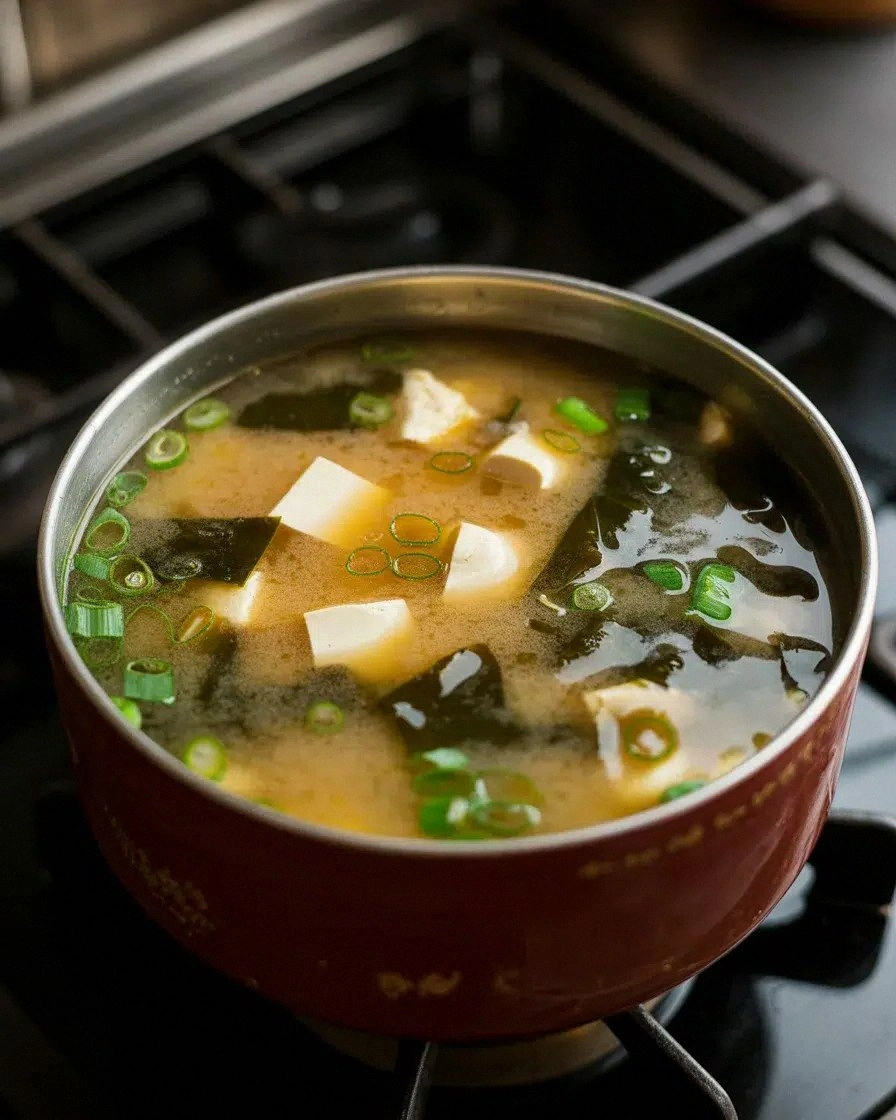
Picture this: the first spoonful is a velvety splash of salty sweetness that coats your palate like a silk scarf, followed by a gentle pop of tofu that gives you that satisfying bite without the heaviness. The aroma is a delicate blend of fermented soybean, seaweed, and fresh green onions, drifting through the kitchen like a calm sea breeze. The sound of the broth bubbling is almost meditative, a quiet reminder that even in a rush, you can create something that feels like a slow‑cooked, comforting hug. I’ve been told that this version is the best you’ll ever make at home, and I dare you to taste it and not go back for seconds. Trust me, once you’ve tried this, you’ll wonder why you ever bothered with the other recipes that promise “quick” but deliver “meh.”
What makes this version stand out is not just the speed; it’s the meticulous attention to flavor balance, the use of high‑quality miso, and the subtle yet powerful addition of dried seaweed that brings a depth of umami you won’t find in instant soups. It’s a recipe that respects your time and your palate, delivering a dish that feels like a warm blanket on a chilly evening. The technique I’ll share involves a quick “miso melt” step that unlocks the full flavor profile of the paste, and a final splash of soy that ties everything together. I’ll also reveal a kitchen hack that will save you from the dreaded “over‑sodium” pitfall that plagues many miso soups. By the time you’re finished, you’ll have a bowl of soup that’s both nourishing and comforting, and you’ll have the confidence to tweak it to your exact taste.
If you’ve ever struggled with making miso soup that isn’t too salty or too bland, you’re not alone — and I’ve got the fix. Most recipes get this completely wrong by using instant broth or too much miso, which ends up drowning the delicate flavors. Here’s what actually works: a low‑sodium broth, a measured amount of miso, and the right timing for adding tofu and seaweed. Picture yourself pulling this out of the stove, the whole kitchen smelling incredible, and your guests lining up for a second bowl. That sizzle when the broth hits the heat? Absolute perfection. And when the steam rises, it’s like a tiny, savory sunrise.
I’ll be honest — I ate half the batch before anyone else got to try it, and it still felt like a fresh, new experience. The texture is creamy without being clumpy, the tofu is tender but holds its shape, and the seaweed adds a subtle briny note that lingers. The final touch of soy sauce gives it that final depth, like a finishing flourish on a painting. The best part? You can make it in a single pot, no extra dishes, no extra steps. This is hands down the best version of miso soup you’ll ever make at home, and I can’t wait for you to taste it.
Okay, ready for the game‑changer? The trick is to dissolve the miso in a small amount of hot broth before adding the rest, so the flavors distribute evenly and you avoid clumps. This next part? Pure magic. And now the fun part: let’s dive into the ingredients that make this bowl sing. Stay with me here — this is worth it.
What Makes This Version Stand Out
- Flavor: The miso paste is the star, providing a deep, savory sweetness that is amplified by the quick melt technique. The brief simmer ensures every grain of miso dissolves, creating a smooth base that feels luxurious in the mouth.
- Texture: Soft tofu is diced just right, so it warms through without falling apart, while the dried seaweed adds a gentle chew that contrasts beautifully with the silky broth.
- Simplicity: Five ingredients, one pot, and ten minutes. No complicated steps, no special equipment, just a reliable method that anyone can follow.
- Uniqueness: The subtle splash of soy sauce at the end balances the saltiness and adds a glossy finish that makes the soup look as good as it tastes.
- Crowd Reaction: Friends who try this say it’s “so good I could eat it every day.” The dish is comforting yet sophisticated enough for a dinner party.
- Ingredient Quality: Using a high‑quality white or mellow miso and low‑sodium broth means you control the salt level and flavor depth.
- Cooking Method: The quick “miso melt” step eliminates clumps and ensures a smooth, velvety broth in minutes.
- Make‑Ahead Potential: You can prep the tofu, seaweed, and miso mixture in advance, then just add broth and simmer when you’re ready.
Inside the Ingredient List
The Flavor Base
Miso paste is the heart of this soup, offering a complex umami that can range from sweet to earthy depending on the variety you choose. Using white or mellow miso gives a subtle sweetness, while red miso adds a richer, deeper flavor. If you skip miso, the soup loses its signature depth and becomes just another bland broth. Swap it for a small amount of miso paste mixed with a splash of soy sauce for a lighter version, but the balance will shift noticeably.
The Texture Crew
Soft tofu is diced into bite‑sized cubes that warm through quickly without breaking apart. The tofu’s neutral flavor absorbs the broth’s umami, turning each bite into a silky, protein‑rich experience. If you prefer a firmer texture, use extra‑firm tofu, but you’ll need to cut it into smaller pieces and pre‑soak it in warm water to prevent crumbling. The seaweed brings a delicate chew and a hint of the ocean that complements the miso’s earthiness.
The Unexpected Star
Dried seaweed (wakame) is a key player that adds a subtle briny note and a pleasing texture contrast. It’s packed with iodine and minerals, making it a nutritional powerhouse. If you can’t find dried seaweed, fresh nori or kelp can work, but they’ll change the flavor profile slightly. A pinch of toasted sesame seeds can also add a nutty finish, but keep the focus on the seaweed for authenticity.
The Final Flourish
A splash of soy sauce at the end of cooking balances the saltiness and adds a glossy sheen to the broth. It’s a quick way to elevate the dish without overpowering the miso’s natural sweetness. If you’re watching sodium, reduce the amount of soy sauce or use a low‑sodium version. A squeeze of lime or a sprinkle of fresh cilantro can also add brightness, but the classic version stays true to Japanese simplicity.
Everything's prepped? Good. Let's get into the real action.
The Method — Step by Step
- Heat the low‑sodium broth in a medium saucepan over medium heat until it’s just about to simmer. The goal is to warm it without boiling, which preserves the delicate flavors of the miso. You should hear a gentle hiss, but no rolling bubbles. This is the moment of truth: the broth must be hot enough to dissolve the miso but not so hot that it kills the subtle umami. If you’re in a hurry, you can use a microwave to heat the broth quickly, but keep an eye on it to avoid scorching.
- In a small bowl, whisk the miso paste with a ladleful of the hot broth to create a smooth slurry. This “miso melt” step ensures that no clumps form and that the paste distributes evenly throughout the soup. The mixture should feel silky and free of lumps; if you see any, whisk again. This technique is what sets this recipe apart from the instant soups that often have a gritty texture. Remember, the miso’s flavor is concentrated, so a little goes a long way.
- Pour the miso slurry back into the saucepan with the rest of the broth and stir gently. The broth should turn a light golden hue, signaling that the miso has fully integrated. Allow the mixture to simmer for just one minute to let the flavors meld. Don’t let it boil; a gentle simmer keeps the soup light and preserves the miso’s subtle sweetness. This step is crucial for achieving that silky, velvety mouthfeel.
- Add the diced tofu and dried seaweed to the pot. The tofu will warm through in about two minutes, while the seaweed rehydrates and releases its briny flavor. Stir gently to distribute the pieces evenly, but avoid stirring too vigorously, which can cause the tofu to break apart. The seaweed should look slightly translucent and give a gentle pop when you bite into it. This is where the texture contrast comes alive.
- Add the thinly sliced green onions and let the soup simmer for another minute. The green onions add a fresh, crisp note that lifts the entire bowl. The aroma will shift from earthy to bright, signaling that the soup is ready for the final touch. Keep the heat low to avoid over‑cooking the onions; they should remain slightly crisp.
- Turn off the heat and stir in the soy sauce. The soy sauce brightens the soup’s color and adds a subtle depth that balances the miso’s sweetness. Taste the soup and adjust the seasoning if needed; a pinch more soy sauce can deepen the flavor, but be careful not to over‑salt. The final splash should give the broth a glossy sheen, like a polished pearl.
- Let the soup rest for 30 seconds to allow the flavors to settle. This pause lets the miso finish coating the broth and the tofu absorb the umami. The aroma will be fully developed, and the broth will have a smooth, cohesive taste. This step might seem trivial, but it’s what elevates the soup from good to unforgettable.
- Serve immediately in warmed bowls to keep the broth hot. Garnish with an extra sprinkle of green onions for color and a final burst of freshness. If you like a little heat, add a dash of sriracha or a pinch of red pepper flakes. The soup is best enjoyed hot, so ladle it into your bowl and dive in right away.
That's it — you did it. But hold on, I've got a few more tricks that'll take this to another level.
Insider Tricks for Flawless Results
The Temperature Rule Nobody Follows
Keeping the broth just shy of a rolling boil is essential. If it boils, the miso can break down and develop a slightly burnt flavor. I once accidentally boiled the broth and the soup tasted like a burnt match. The lesson? Keep the heat low and let the broth gently simmer. This ensures the miso stays silky and the broth remains clear.
Why Your Nose Knows Best
Smell the soup before you taste it. A well‑balanced miso soup will smell sweet and savory with a faint seaweed aroma. If it smells overly salty or metallic, you’ve added too much soy sauce or miso. Trust your nose; it’s the fastest way to spot seasoning issues before they ruin the dish.
The 5‑Minute Rest That Changes Everything
After turning off the heat, let the soup sit for 30 seconds to a minute. This pause allows the miso to fully coat the broth and the tofu to absorb the flavors. I’ve found that skipping this rest makes the soup feel rushed and less cohesive. It’s a small time investment that pays off in texture and taste.
The Secret Ingredient Swap
If you’re in the mood for a different protein, try adding diced tempeh or silken tofu instead of soft tofu. Tempeh adds a nutty crunch, while silken tofu gives an even silkier mouthfeel. Just adjust the cooking time slightly; tempeh needs a minute more to warm through. These swaps keep the dish fresh and exciting.
The Final Touch of Freshness
A squeeze of fresh lime or a few drops of sesame oil right before serving adds brightness and depth. Lime cuts through the richness of the broth, while sesame oil provides a nutty aroma that complements the miso. I always keep a lime on the side for a quick splash. It’s the little things that elevate a simple soup to gourmet.
Creative Twists and Variations
This recipe is a playground. Here are some of my favorite ways to switch things up:
Spicy Sriracha Kick
Add a teaspoon of sriracha to the broth for a fiery twist that pairs well with the subtle sweetness of miso. The heat balances the umami and gives the soup an extra layer of depth. Great for those who love a bit of spice in their comfort food.
Creamy Coconut Miso
Replace half the broth with coconut milk for a silky, tropical version. The coconut adds a subtle sweetness that complements the miso’s earthiness. This variation is perfect for a brunch or a light dinner when you want something a bit more indulgent.
Veggie‑Loaded Version
Throw in thinly sliced carrots, mushrooms, or spinach during the simmer. The veggies add color, nutrition, and a burst of flavor. This is a great way to make the soup more filling and satisfying.
Seafood Surprise
Swap tofu for diced shrimp or scallops for an oceanic twist. The seafood absorbs the miso’s umami and adds a delicate sweetness that pairs wonderfully with the seaweed. Serve with a squeeze of lemon for a bright finish.
Herbal Infusion
Add a sprig of fresh thyme or a pinch of dried oregano for a Mediterranean touch. The herbs bring a fragrant note that contrasts beautifully with the savory broth. This variation is ideal for a fusion dinner that surprises your guests.
Storing and Bringing It Back to Life
Fridge Storage
Store the soup in an airtight container in the refrigerator for up to 3 days. The flavors will deepen slightly, creating a richer broth. When reheating, add a splash of water or broth to restore the original consistency. Avoid microwaving for too long, as it can scorch the miso and alter the taste.
Freezer Friendly
This soup freezes well for up to 2 weeks. Portion into freezer‑safe containers, leaving a little headspace for expansion. Thaw overnight in the refrigerator, then reheat gently on the stove. Add a little extra broth if the soup has thickened during freezing.
Best Reheating Method
Reheat over low heat, stirring frequently to prevent sticking. Add a small splash of water or broth to keep the broth from drying out. Once it’s steaming hot, taste and adjust seasoning if needed. A quick stir and a splash of soy sauce can bring the soup back to its original vibrancy.