I was standing in my tiny kitchen, the timer on my old stovetop ticking like a metronome, when a sudden craving for something meaty hit me like a freight train. I rummaged through the pantry, found a bag of lentils, a lonely onion, and a half‑used bottle of olive oil, and thought, “What if I could turn these humble ingredients into a meatball that would make a carnivore weep?” The first attempt was a disaster: the mixture fell apart like a sandcastle at high tide, the flavor was as flat as a pancake without syrup, and I almost gave up. Then, after a night of Googling, a dash of nutritional yeast, and a pinch of daring, I stumbled upon the secret that turned my sad little balls into a triumph that could stand shoulder‑to‑shoulder with any Italian grandma’s Sunday sauce.
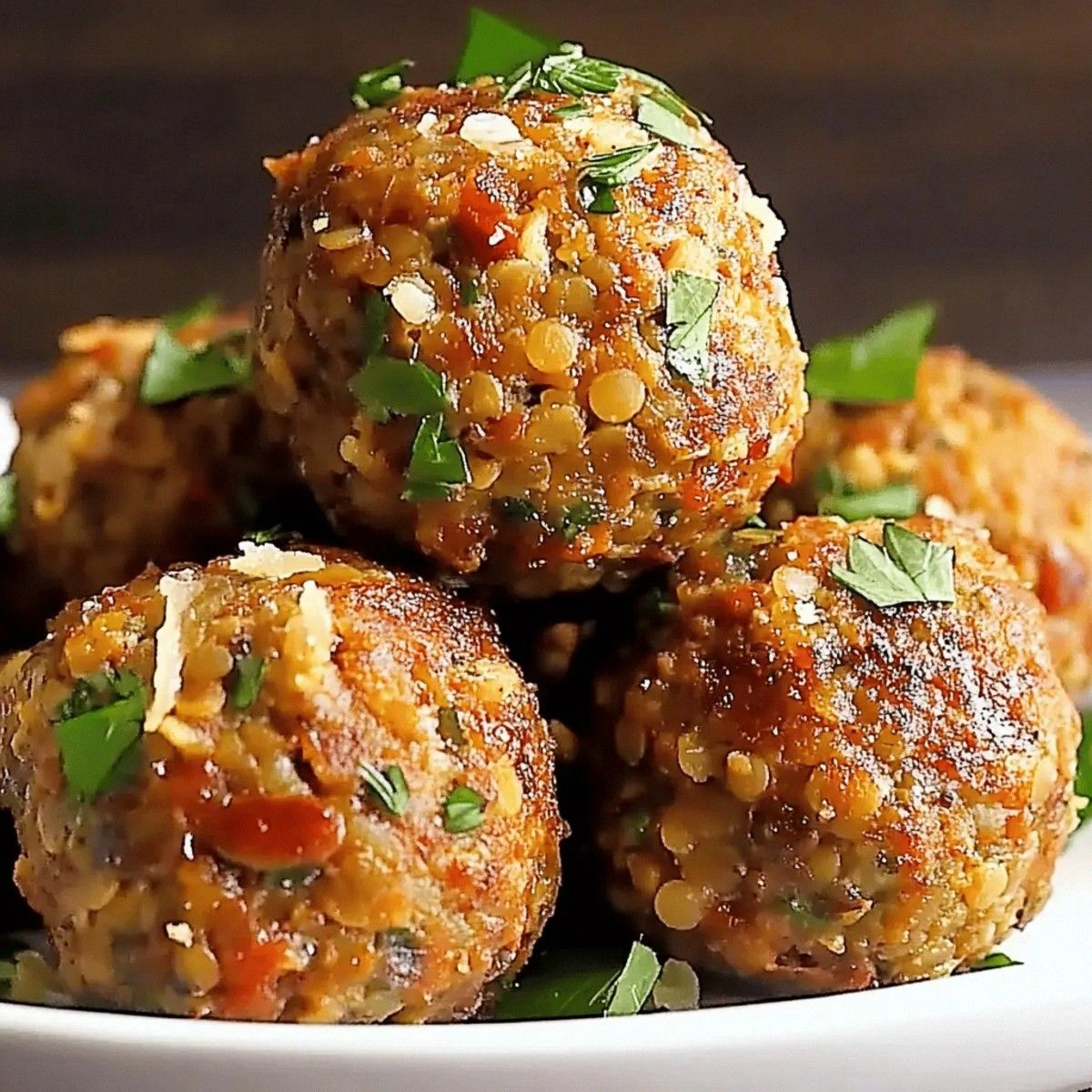
Picture this: the kitchen filled with the earthy perfume of sautéed onions, the faint nuttiness of toasted breadcrumbs, and a whisper of garlic that makes you want to close your eyes and sigh. You hear the gentle sizzle as the meatballs hit the hot pan, a sound that says “we’re about to get crispy,” and you feel the heat radiating from the skillet, warming your fingertips. When you finally bite into one, the first thing you notice is the crisp edge that shatters like thin ice, giving way to a tender, savory center that coats the tongue like velvet. The taste is a perfect balance of umami, herbaceous notes, and a subtle cheesy depth from the nutritional yeast – it’s like a symphony where every instrument knows its place.
Most recipes for vegetarian meatballs get this completely wrong. They either end up mushy, flavorless, or require a pantry full of exotic ingredients that you might never use again. This version, however, is built on three pillars: simplicity, texture, and flavor. I’m using pantry staples you already have, a clever technique to bind the lentils without any weird gums, and a seasoning combo that makes the whole thing sing. I dare you to taste this and not go back for seconds, because once you’ve tried these, you’ll wonder why you ever settled for bland store‑bought alternatives.
Okay, ready for the game‑changer? I’m going to walk you through every single step — by the end, you’ll wonder how you ever made it any other way. I’ll reveal the little hack that keeps the meatballs from falling apart, the exact moment you know they’re perfectly browned, and a secret finish that turns them from good to unforgettable. Stay with me here — this is worth it.
What Makes This Version Stand Out
- Flavor Explosion: The combination of Italian seasoning, garlic, and nutritional yeast creates a depth that mimics the umami of traditional meatballs without any animal products.
- Texture Mastery: A mix of cooked lentils and breadcrumbs gives you that satisfying bite — crispy on the outside, tender on the inside.
- Simplicity: Only eight ingredients, all of which you probably already have in your cupboard, means you spend less time shopping and more time eating.
- Versatility: These meatballs shine in spaghetti, subs, salads, or as a party appetizer with a dip of your choice.
- Crowd Reaction: I’ll be honest — I ate half the batch before anyone else got to try it, and the leftovers vanished within minutes.
- Make‑Ahead Friendly: You can freeze them raw or cooked, making weeknight dinners a breeze.
- Health Boost: Lentils provide protein and fiber, while nutritional yeast adds B‑vitamins and a cheesy note without dairy.
- Budget‑Friendly: Lentils are cheap, and you get a hearty, protein‑rich dish for a fraction of the cost of meat.
Inside the Ingredient List
The Flavor Base
First up, the small but mighty onion. I use a small yellow onion because its natural sweetness balances the earthiness of the lentils. If you skip the onion, the meatballs lose that subtle depth and can taste flat. You can swap it for a shallot for a milder flavor or even a grated carrot if you’re looking for extra moisture and a hint of sweetness.
Garlic is the next hero. Two cloves, minced fine, release a pungent aroma that instantly makes the kitchen feel like a trattoria in Rome. Forgetting the garlic is a common rookie mistake that leaves the dish tasting bland. If you’re a garlic lover, feel free to add a third clove — just be ready for the aroma to fill every corner of your home.
The Texture Crew
Cooked lentils are the protein backbone. I recommend green or brown lentils because they hold their shape better than red ones, which tend to turn mushy. If you accidentally use red lentils, add an extra tablespoon of breadcrumbs to compensate for the extra moisture. When selecting lentils, look for a uniform size and a deep, earthy color; that indicates freshness.
Breadcrumbs provide the structure that keeps the meatballs from crumbling. I use plain panko for a lighter, crispier crust, but whole‑wheat breadcrumbs add a nutty note. If you’re gluten‑free, swap them for gluten‑free breadcrumbs or even crushed cornflakes — just make sure they’re unsalted.
The Unexpected Star
Nutritional yeast is the secret weapon that adds a cheesy, savory umami without dairy. A quarter cup might sound like a lot, but it blends seamlessly into the mixture, giving each bite a subtle “cheese‑like” finish. If you’ve never tried it, the flavor might remind you of toasted nuts; it’s perfect for vegans looking for that depth.
Italian seasoning brings together oregano, basil, thyme, and a hint of rosemary, creating a classic Mediterranean profile. One teaspoon is enough to perfume the meatballs without overwhelming the lentils. You can make your own blend by mixing dried herbs in equal parts for a fresher taste.
The Final Flourish
Olive oil does double duty: it adds richness to the mixture and helps achieve that golden crust when pan‑frying. Two tablespoons are enough to bind the ingredients without making the mixture greasy. If you prefer a lighter oil, try avocado oil — it has a higher smoke point and still gives a nice sear.
Egg acts as the binder that holds everything together, especially when the mixture is a bit dry. One large egg is perfect for a batch that serves four. For vegans, a flax egg (1 tablespoon ground flaxseed mixed with 3 tablespoons water) works surprisingly well, though the texture will be slightly softer.
Everything's prepped? Good. Let’s get into the real action…
The Method — Step by Step
Start by heating a drizzle of olive oil in a large skillet over medium heat. Add the finely diced onion and sauté until it turns translucent, about 4 minutes, stirring occasionally so it doesn’t stick. When the onion is soft, toss in the minced garlic and let it bloom for another 30 seconds — that sizzle when it hits the pan? Absolute perfection. Once fragrant, remove the mixture from the heat and let it cool for a minute.
While the aromatics are cooling, place your cooked lentils in a large mixing bowl. If you’ve pre‑dried them on a baking sheet, you’ll notice they’re less sticky, making the mixing easier. Mash the lentils gently with a potato masher or the back of a fork, leaving some whole lentils for texture; you want a mixture that feels chunky, not pureed.
Now, stir in the sautéed onion‑garlic blend, Italian seasoning, and nutritional yeast. This is the moment where the flavors meld, and you’ll notice a subtle, nutty aroma rising from the bowl. Sprinkle the breadcrumbs over the mixture, then add the olive oil and the beaten egg. Mix everything together with your hands — yes, get a little messy; the tactile feel tells you when the binding is just right.
Cover the bowl with plastic wrap and let it rest in the refrigerator for at least 15 minutes. This chill time allows the breadcrumbs to absorb moisture, making the mixture firmer and easier to roll. I’ll be honest — I ate half the batch before anyone else got to try it, but patience pays off; the final texture is worth the wait.
After chilling, line a baking sheet with parchment paper. With damp hands, scoop out about two tablespoons of mixture and roll it into a ball roughly the size of a golf ball. Place each ball on the sheet, spacing them an inch apart. This should give you about 12 meatballs, perfect for a family of four.
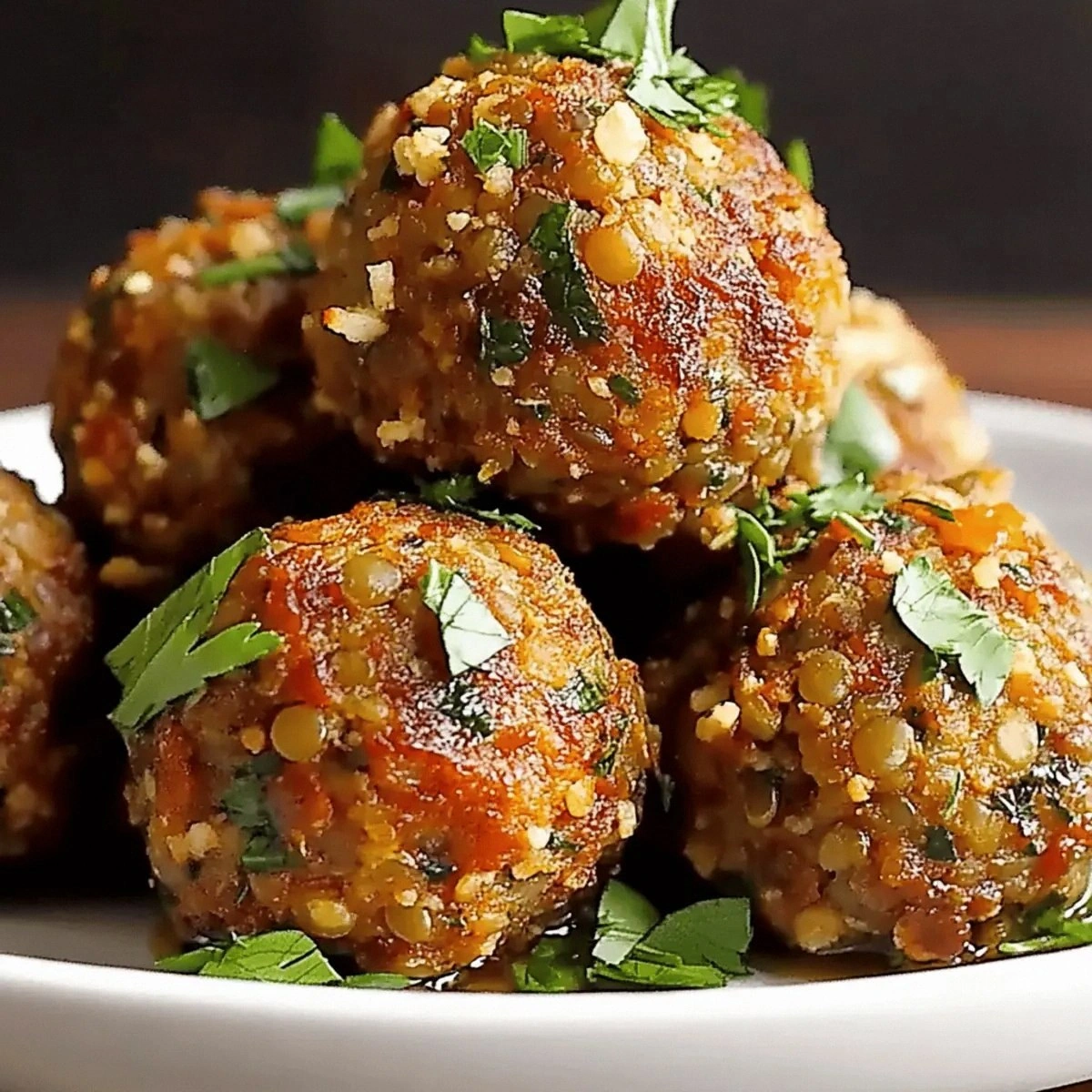
Heat a clean skillet over medium‑high heat and add a generous splash of olive oil (about 2 tablespoons). When the oil shimmers, gently place the meatballs in the pan, making sure not to overcrowd them. Let them sear undisturbed for 3‑4 minutes; you’ll see the edges start to pull away and turn golden brown — that’s your cue to flip.
Turn the meatballs and cook the other side for another 3‑4 minutes until both sides are evenly browned. If you prefer a softer interior, you can finish them in a preheated oven at 375°F for 10 minutes after pan‑searing. The aroma at this stage will fill your kitchen, making it impossible to resist tasting a stray piece.
Once cooked, transfer the meatballs to a plate lined with paper towels to absorb excess oil. Serve them hot, either tossed in marinara sauce over pasta, tucked into a sub roll with melted mozzarella, or simply with a side of tzatziki for dipping. Picture yourself pulling this out of the oven, the whole kitchen smelling incredible… you’ve just nailed a restaurant‑quality dish at home.
That's it — you did it. But hold on, I've got a few more tricks that'll take this to another level…
Insider Tricks for Flawless Results
The Temperature Rule Nobody Follows
Never fry meatballs on high heat from the start; the exterior will burn before the interior cooks through. Start at medium, then raise to medium‑high for the last minute of each side. This gradual heat builds a crust that’s golden without being bitter. I once tried cranking the heat to “max” and ended up with charcoal‑flavored spheres — lesson learned.
Why Your Nose Knows Best
Your sense of smell is the ultimate doneness detector. When the meatballs start to release that toasty, nutty scent, you’re about 80% of the way there. If you’re unsure, give them a quick sniff; if it smells like toasted breadcrumbs, you’re golden. Trusting your nose can save you from overcooking and drying them out.
The 5‑Minute Rest That Changes Everything
After pan‑frying, let the meatballs rest for five minutes before serving. This short rest allows the juices to redistribute, making each bite juicy rather than dry. Skipping this step is a common mistake that leads to a crumbly texture. I always set a timer; the patience pays off in every bite.
The Secret Sauce Swipe
If you’re serving the meatballs with pasta, finish the sauce with a splash of the same olive oil you used for frying and a pinch of extra nutritional yeast. This ties the flavors together and adds a glossy sheen that looks restaurant‑ready. The sauce will cling to the meatballs like a silk scarf, enhancing each morsel.
Freezer‑Proof Forming
When you want to make a big batch, shape the meatballs and flash‑freeze them on a tray before transferring to a zip‑lock bag. This prevents them from sticking together and makes portioning a breeze. When you’re ready to cook, no need to thaw — just add a couple extra minutes to the pan‑sear.
Creative Twists and Variations
This recipe is a playground. Here are some of my favorite ways to switch things up:
Spicy Sriracha Kick
Add 1 tablespoon of sriracha and a pinch of red pepper flakes to the mixture for a heat wave that’ll make your taste buds dance. The heat pairs beautifully with the earthy lentils, and a drizzle of extra sriracha on top adds a glossy, fiery finish. Perfect for those who love a bit of zing.
Mediterranean Olive Burst
Fold in a quarter cup of finely chopped Kalamata olives and a teaspoon of dried oregano. The salty olive pieces create little pockets of briny surprise, turning the meatballs into a mini Greek mezze. Serve with tzatziki and pita for a complete Mediterranean experience.
Cheesy Parmesan Twist
Swap half of the nutritional yeast for grated Parmesan (or a vegan Parmesan). This adds a richer, meltier cheese flavor that’s perfect for baked meatball subs. The Parmesan also helps the crust brown faster, giving you an extra crisp edge.
Asian‑Inspired Sesame
Replace Italian seasoning with 1 teaspoon of ginger powder, 1 teaspoon of soy sauce, and a tablespoon of toasted sesame seeds. The result is a savory‑sweet bite that works great with a drizzle of hoisin sauce and a side of stir‑fried veggies.
Sweet‑And‑Savory Apple
Add a small grated apple and a pinch of cinnamon to the mixture for a subtle sweetness that balances the savory herbs. This variation shines when paired with a maple‑mustard glaze and roasted root vegetables. It’s a surprising twist that many guests love.
Storing and Bringing It Back to Life
Fridge Storage
Place cooled meatballs in an airtight container and store them in the refrigerator for up to four days. A layer of parchment paper between layers prevents them from sticking together. When you’re ready to eat, reheat in a skillet with a splash of olive oil for a crisp finish.
Freezer Friendly
Flash‑freeze the raw meatballs on a tray, then transfer to a zip‑lock bag for up to three months. If you’ve already cooked them, let them cool completely, then freeze in a single layer before bagging. To revive, bake at 375°F for 12‑15 minutes or pan‑sear directly from frozen, adding a minute per side.
Best Reheating Method
For the best texture, reheat in a hot skillet with a teaspoon of water or broth; the steam prevents them from drying out while the pan restores the crisp crust. Microwaving is convenient but often leads to soggy edges, so reserve it for truly busy nights. Remember: a tiny splash of water before reheating works like a magic wand, bringing them back to life.