I swear, the first time I tried to make a honey garlic pork tenderloin I ended up with a kitchen that looked like a war zone and a meat that tasted like a sad, over‑cooked piece of cardboard. My friend dared me to “make something that actually tastes like a hug,” and I took that as a personal challenge. I rummaged through my pantry, grabbed a half‑empty bottle of soy sauce, a jar of honey that had been sitting on the counter for months, and two pork tenderloins that were still wrapped in their plastic cling. The moment I sliced into the silver skin, I knew I was about to embark on a flavor adventure that would change my dinner game forever.
Picture this: the kitchen fills with the sweet aroma of honey mingling with the sharp, savory perfume of garlic and ginger, while a faint whisper of sesame oil adds a nutty undertone that makes your nose do a little happy dance. The pork sizzles in the pan, the edges turning a caramelized amber that looks like the perfect sunset, and the glaze thickens into a glossy coating that clings to the meat like a second skin. The moment you slice into that tenderloin, juices burst out, glistening with a honey‑garlic sheen that practically shimmers. That first bite? It’s a perfect balance of sweet, salty, tangy, and just enough heat to make your taste buds tingle.
Most recipes I’ve seen either drown the pork in a syrupy mess that never sets, or they skim the surface with a watery glaze that disappears the instant you cut into the meat. I’ve been there, I’ve tried that, and I’ve learned the hard way that the secret lies in a few simple tricks: a quick sear, a precise cornstarch slurry, and a dash of rice vinegar to cut the sweetness just enough. I’ll be honest — I ate half the batch before anyone else got a chance to try it, and I still have the confidence to say this is hands down the best version you’ll ever make at home.
Ready for the game‑changer? I’m going to walk you through every single step — from selecting the perfect tenderloins to mastering that glossy glaze that will make your guests beg for seconds. By the end, you’ll wonder how you ever settled for anything less. Let’s dive in and turn that ordinary pork into a show‑stopping centerpiece that will have everyone asking for the recipe.
What Makes This Version Stand Out
- Flavor Harmony: The sweet honey is perfectly balanced by low‑sodium soy sauce and a splash of rice vinegar, creating a complex umami‑sweet profile that dances on the palate without being cloying.
- Texture Perfection: A quick sear locks in juices, while the cornstarch slurry gives the glaze a velvety thickness that coats each slice like a satin sheet.
- Simplicity: Fewer than fifteen ingredients, most of which you probably already have, means you spend less time prepping and more time devouring.
- Ingredient Quality: Using fresh ginger, minced garlic, and a mild‑flavored honey elevates the dish from “good” to “wow‑factor” in seconds.
- Crowd Reaction: I dare you to taste this and not go back for seconds; even the pickiest eaters will be begging for the secret glaze.
- Make‑Ahead Potential: The glaze can be prepared in advance and stored, so you only need to sear the pork when you’re ready to serve.
- Versatility: This dish shines on its own, over rice, or tossed with stir‑fried veggies, making it a flexible centerpiece for any meal.
- Cooking Method: The pan‑sear‑then‑bake technique ensures a caramelized crust without overcooking the interior, delivering a juicy, tender result every time.
Inside the Ingredient List
The Flavor Base
Pork tenderloins: Look for two tenderloins, about one pound each, trimmed of silver skin. This cut is naturally lean and buttery, but the skin can turn rubbery if left on. Removing it ensures every bite is melt‑in‑your‑mouth tender. If you can’t find tenderloins, a pork loin roast works, but adjust cooking time accordingly.
Honey: Preferably a mild‑flavored honey like clover or wildflower. Its subtle sweetness balances the salty soy without overpowering the pork. You could swap in agave nectar for a lower‑glycemic option, but the flavor profile changes slightly.
Soy sauce: Low‑sodium soy sauce is ideal to limit the saltiness while still delivering that deep umami punch. Regular soy sauce works in a pinch, just cut the added salt in the recipe.
Garlic: Six cloves of minced garlic bring a delicious aromatic zing that adds depth to our dish. If you love garlic, feel free to add an extra clove; just beware of a bitter aftertaste if over‑cooked.
The Tangy Zing
Rice vinegar: This ingredient adds a nice tangy note that brightens the glaze. Apple cider vinegar is a solid substitute if you’re out of rice vinegar, though it will introduce a faint apple flavor.
Sesame oil: A little goes a long way! It gives the dish that distinct nutty flavor that makes the glaze unforgettable. Use toasted sesame oil sparingly; too much can become overpowering.
Fresh ginger: Grated ginger heightens the taste profile, making the dish both fresh and zesty. If you’re not a fan of raw ginger’s bite, try using ginger paste for a milder flavor.
The Heat and Finish
Red pepper flakes: They offer a kick! Adjust the amount to control the spice according to your taste. For a milder version, halve the amount or omit entirely.
Black pepper: Freshly ground for an additional layer of flavor. It adds a subtle heat that complements the red pepper flakes without dominating.
Salt: Just a pinch is enough to enhance the taste, so adjust to your preference. Remember, soy sauce already brings saltiness, so taste before adding more.
The Glue and Garnish
Cornstarch: This thickens our glaze, making it rich and luscious. If you’re gluten‑free, substitute with arrowroot powder; the texture will be just as glossy.
Water: Used to create a smooth cornstarch slurry, ensuring the glaze thickens without lumps. Cold water works best for a seamless mixture.
Green onions: Sliced green onions add a lovely freshness and color when garnishing. They also provide a mild onion bite that cuts through the sweetness.
Sesame seeds: Toasted seeds make for an optional garnish that brings crunch and a beautiful presentation. If you’re allergic to nuts or seeds, skip them without sacrificing flavor.
Everything's prepped? Good. Let’s get into the real action…
The Method — Step by Step
Start by patting the pork tenderloins dry with paper towels, then season both sides generously with salt and freshly ground black pepper. This simple step creates a dry surface that will sear beautifully. Let the meat rest for five minutes while you prepare the glaze; this rest allows the seasoning to penetrate the fibers.
Kitchen Hack: Sprinkle a tiny pinch of sugar on the meat before searing; it helps achieve a caramelized crust faster.In a small bowl, whisk together honey, low‑sodium soy sauce, rice vinegar, sesame oil, minced garlic, grated ginger, and red pepper flakes. This mixture is the heart of the glaze, and the moment you combine these ingredients, the kitchen fills with a scent that’s both sweet and tangy—an olfactory preview of what’s to come. Set the bowl aside; the flavors will meld as you work.
Heat a large cast‑iron skillet over medium‑high heat and add a splash of neutral oil (vegetable or canola works best). When the oil shimmers, place the seasoned tenderloins into the pan. You should hear an immediate sizzle that signals a crust forming. Sear each side for about 2‑3 minutes, or until a deep golden‑brown crust develops. Resist the urge to move the meat too often; let it form that beautiful caramelized layer.
Once seared, lower the heat to medium and pour the prepared honey‑garlic mixture over the pork. The sauce will bubble vigorously—this is the moment of truth. Use a wooden spoon to turn the tenderloins, ensuring each side is thoroughly coated. As the glaze thickens, it will start to cling to the meat like a glossy veil.
In a separate small cup, combine the cornstarch with cold water, stirring until smooth to create a slurry. This step is crucial; a lump‑free slurry guarantees a silky glaze. Slowly drizzle the slurry into the pan while continuously stirring. The sauce will instantly thicken, turning from a thin liquid to a luscious, glossy coating that clings to the pork like velvet.
Kitchen Hack: If the glaze gets too thick, add a splash more water or a dash of low‑sodium broth to loosen it without diluting flavor.Now, preheat your oven to 375°F (190°C). Transfer the skillet to the oven (or move the pork to a baking dish if your pan isn’t oven‑safe). Roast for 12‑15 minutes, or until the internal temperature reaches 145°F (63°C). This is where many home cooks go wrong—overcooking turns a tenderloin into a dry, chewy disappointment.
Watch Out: Keep a close eye on the oven; the glaze can burn quickly once the meat reaches temperature, turning the sweet notes bitter.When the pork is done, remove it from the oven and let it rest on a cutting board for at least five minutes. Resting allows the juices to redistribute, guaranteeing every slice stays moist. While it rests, the glaze will thicken a bit more—don’t be tempted to skim it off; that’s the magic you want to cling to each piece.
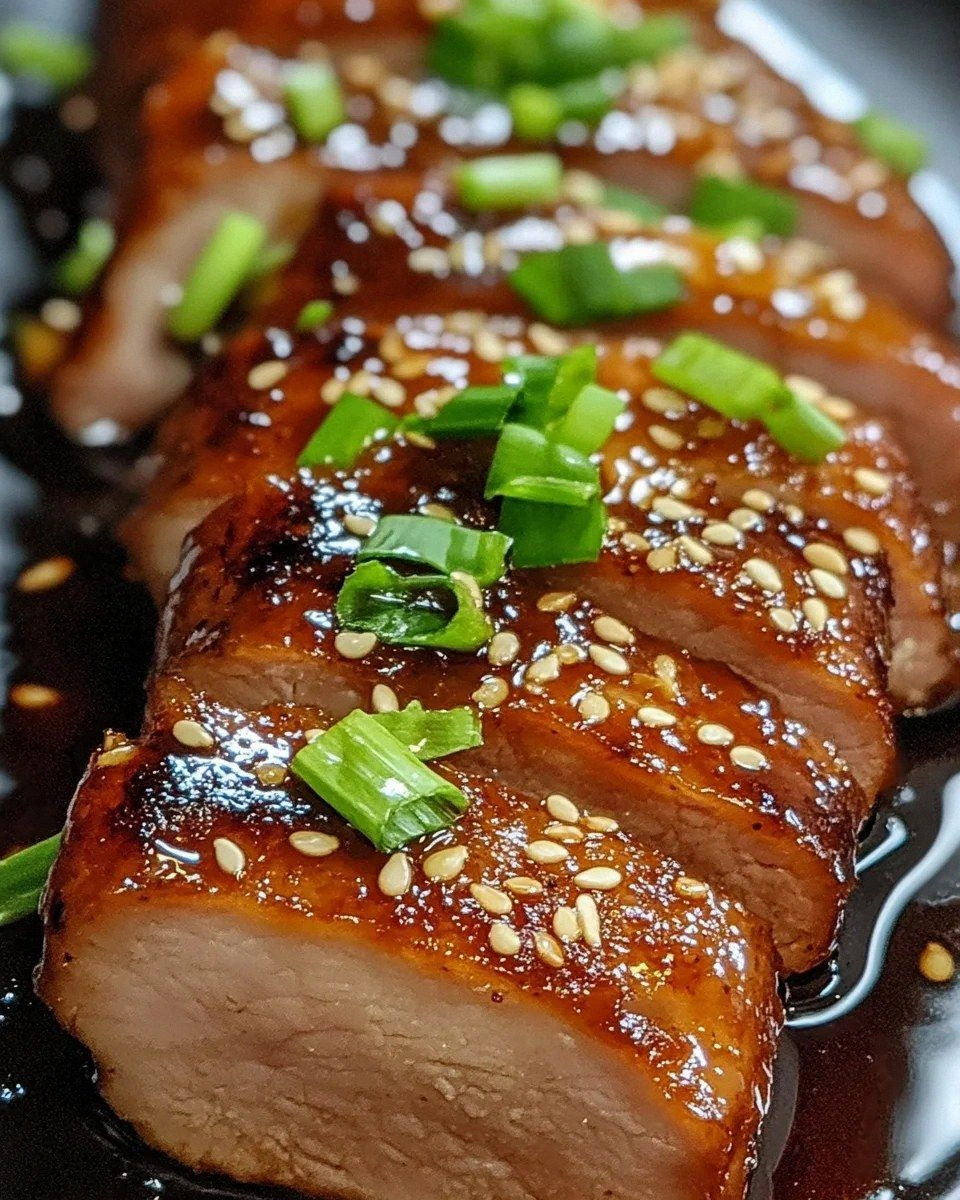
Slice the tenderloins into ½‑inch medallions, arranging them on a serving platter. Drizzle any remaining glaze over the top, then scatter sliced green onions and toasted sesame seeds for a burst of color and crunch. The final presentation should look glossy, vibrant, and utterly irresistible.
That’s it — you did it. But hold on, I’ve got a few more tricks that'll take this to another level…
Insider Tricks for Flawless Results
The Temperature Rule Nobody Follows
Never cook pork straight from the fridge; let it sit at room temperature for 20‑30 minutes before searing. This small step ensures the meat cooks evenly, preventing a cold core that can lead to overcooking the exterior. I once rushed this step and ended up with a perfectly caramelized crust but a pink, under‑done center—definitely not the result you want.
Why Your Nose Knows Best
When the glaze starts to bubble, trust your sense of smell. A sweet, nutty aroma signals that the sugars are caramelizing just right. If you detect a burnt or acrid scent, lower the heat immediately. Your nose is a more reliable thermometer than any gadget in the kitchen.
The 5‑Minute Rest That Changes Everything
Resting the pork after cooking isn’t optional; it’s essential. During those five minutes, the muscle fibers relax and reabsorb the juices that would otherwise spill out onto the plate. Skipping this step is the culinary equivalent of sprinting before a marathon—your final result will feel rushed and dry.
Slurry Secrets
When mixing cornstarch and water, always use cold water. Hot water will cause the starch to gelatinize prematurely, creating lumps that ruin the glaze’s silkiness. A quick whisk in a separate cup guarantees a smooth slurry that integrates flawlessly.
Garnish Timing
Add green onions and sesame seeds just before serving. If you sprinkle them too early, the heat will wilt the onions and toast the seeds beyond their crunchy peak. A final fresh garnish adds a bright contrast to the sweet‑savory glaze.
Creative Twists and Variations
This recipe is a playground. Here are some of my favorite ways to switch things up:
Spicy Sriracha Kick
Swap half of the honey for sriracha and add an extra pinch of red pepper flakes. The result is a sweet‑heat combo that pairs perfectly with steamed jasmine rice.
Citrus‑Infused Glow
Add the zest and juice of one lime to the glaze, and finish with a sprinkle of chopped cilantro. This brightens the dish, making it ideal for summer BBQs.
Asian‑Style BBQ
Mix in a tablespoon of hoisin sauce and a dash of five‑spice powder. The pork takes on a richer, smoky flavor that works great in lettuce wraps.
Maple‑Miso Fusion
Replace honey with pure maple syrup and add a tablespoon of white miso paste. This creates a deep, umami‑sweet glaze that’s perfect for autumn gatherings.
Herb‑Forward Delight
Stir in freshly chopped rosemary and thyme after the glaze thickens. The herbaceous notes complement the sweetness and add an earthy complexity.
Storing and Bringing It Back to Life
Fridge Storage
Place leftover pork and glaze in an airtight container. It will keep for up to four days. When reheating, add a splash of water or broth to restore the sauce’s sheen.
Freezer Friendly
Separate the meat from the glaze before freezing. Store each in zip‑top bags for up to three months. Thaw overnight in the fridge, then reheat the glaze and toss the pork through it for a fresh‑as‑day experience.
Best Reheating Method
Reheat in a skillet over medium heat, adding a tablespoon of water or broth. Cover for two minutes to steam the meat gently, then uncover to let the glaze cling again. This method prevents the pork from drying out and revives the glossy finish.