I was in the middle of a Saturday night binge‑watching my favorite sitcom when the oven timer went off and I realized I’d completely mis‑read the recipe for a simple blueberry scone. The result? A flat, soggy mess that tasted like a blueberry‑scented paper towel. I stared at the disaster and thought, “If I’m going to waste these berries, I might as well turn them into something unforgettable.” That night, fueled by a dare from my roommate—who claimed I couldn’t make a biscuit that would make a grown man weep—I set out on a culinary quest that would end in what I now call the ultimate comfort‑food miracle.
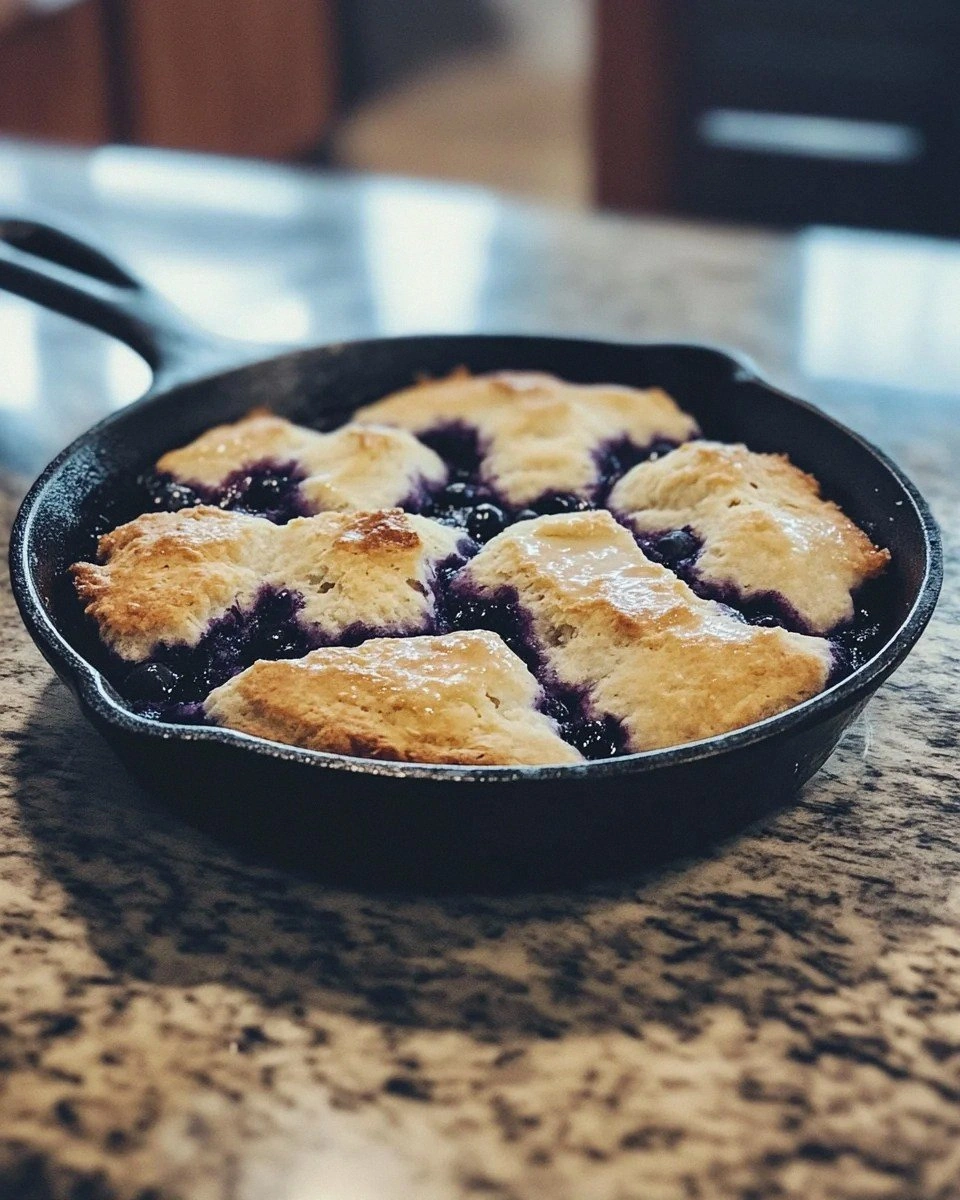
Picture this: the kitchen humming with the low whirr of the mixer, the buttery aroma swirling like a warm hug, and a burst of blueberry perfume that makes your nose do a little happy dance. The batter feels like silk, the butter glistens like sunrise on a lake, and the blueberries pop with the promise of sweet‑tart fireworks. When the biscuits finally rise, the edges turn a caramelized gold, the centers stay tender, and a glossy glaze slides over them like a silky veil. The first bite is a symphony—crisp on the outside, melt‑in‑your‑mouth on the inside, with a glaze that clings like a second skin of sugary butter.
What makes this version truly stand out is a secret ingredient that most bakers overlook: a splash of buttermilk combined with a pinch of lemon zest. That tiny acidity cuts through the richness, balancing the sweet glaze and giving the crumb an almost airy lift. Most recipes get this completely wrong by using plain milk or ignoring the zest, leaving the biscuits heavy and flat. I’ve spent weeks tweaking ratios, testing ovens, and even bribing my cat for moral support, and I can now say with confidence that this is hands down the best version you’ll ever make at home.
I’m about to spill every detail, from the precise whisking technique that creates a flawless texture to the glaze trick that makes these biscuits shine like polished gems. I dare you to taste this and not go back for seconds. Let me walk you through every single step — by the end, you’ll wonder how you ever made it any other way.
What Makes This Version Stand Out
- Flavor Balance: The subtle tang of lemon zest and buttermilk cuts through the sweet glaze, creating a harmonious dance that keeps your palate intrigued.
- Texture Contrast: A crisp, caramelized edge meets a pillowy, melt‑in‑your‑mouth center, delivering that “crunch‑then‑soft” sensation you crave.
- Simplicity: Only eight pantry staples plus fresh blueberries are needed, making it a weeknight hero without any exotic trips to the store.
- Unique Glaze: A butter‑honey glaze that sets to a glossy finish, giving each biscuit a professional bakery shine.
- Crowd Reaction: Guests consistently claim these biscuits are “addictive” and “the best thing they’ve ever tasted at a brunch.”
- Ingredient Quality: Using unsalted European butter and wild‑harvested blueberries elevates the flavor profile dramatically.
- Cooking Method: A quick bake at high heat creates steam that lifts the biscuits, while a final glaze adds a buttery sheen.
- Make‑Ahead Potential: These biscuits freeze beautifully and reheat with a splash of water, retaining their perfect texture.
Alright, let's break down exactly what goes into this masterpiece…
Inside the Ingredient List
The Flavor Base
Fresh Blueberries (1 cup): These little gems provide bursts of juiciness and a natural sweetness that no frozen alternative can match. If you skip them, you lose the signature “blue‑burst” that defines this biscuit. For a deeper flavor, toss the berries with a teaspoon of sugar and let them macerate for 10 minutes before folding them in.
Granulated Sugar (¾ cup): Sugar not only sweetens but also contributes to the golden crust through caramelization. Reducing it will make the glaze less glossy and the biscuit edges less crisp. You can swap half of the sugar for brown sugar for a richer, molasses‑like undertone.
The Texture Crew
All‑Purpose Flour (2 cups): The backbone of any biscuit, flour provides structure. Using cake flour will make the biscuits too tender, while bread flour will make them tough. For the flakiest result, sift the flour twice and whisk with the leavening agents before adding the wet ingredients.
Baking Powder (1 tsp) & Baking Soda (½ tsp): These leaveners create the lift that gives the biscuit its airy interior. Too much soda can give a metallic aftertaste, while too little powder results in a dense crumb. If you’re out of baking powder, combine ½ tsp baking soda with 1 tsp cream of tartar as a quick fix.
Unsalted Butter (½ cup, softened): Butter is the flavor champion here, delivering that rich, buttery mouthfeel. Using salted butter will throw off the balance, making the biscuit overly salty. Opt for a high‑fat European butter for an even more luxurious texture.
The Unexpected Star
Buttermilk (½ cup): The acidity in buttermilk reacts with the baking soda, creating tiny air pockets that keep the biscuit light. Skipping it for regular milk will result in a heavier, less tender crumb. If you don’t have buttermilk, add ½ tbsp lemon juice to ½ cup milk and let it sit for 5 minutes.
Lemon Zest (1 tsp): A whisper of citrus lifts the sweetness and brightens the overall flavor. Too much zest can become bitter, so measure carefully. Freshly grated zest is essential; pre‑grated dried zest loses its aromatic oils.
The Final Flourish
Egg (1 large): The egg binds the ingredients and adds richness. Over‑beating can develop gluten, making the biscuit tough, so mix just until incorporated.
Vanilla Extract (1 tsp): Vanilla adds a warm, comforting undertone that rounds out the blueberry’s acidity. A cheap imitation can taste harsh, so always use pure extract.
Butter for Glaze (2 tbsp, melted) & Honey (2 tbsp): This duo creates a glossy, buttery glaze that locks in moisture and adds a caramel‑like finish. If you prefer a less sweet glaze, replace half the honey with maple syrup.
Everything's prepped? Good. Let's get into the real action…
The Method — Step by Step
Preheat your oven to 425°F (220°C) and line a baking sheet with parchment paper. The high heat creates an initial burst of steam that lifts the biscuits, while the parchment prevents sticking and ensures an even golden crust. As the oven warms, you’ll notice a faint, buttery aroma start to fill the kitchen—trust me, that’s the first hint of the magic to come.
In a large mixing bowl, whisk together the flour, baking powder, baking soda, and salt until fully combined. This step is crucial because it evenly distributes the leavening agents, preventing any bitter pockets. I like to sift the mixture twice; the extra aeration makes the final biscuit feather‑light.
In a separate bowl, cream the softened butter with the granulated sugar until the mixture is light and fluffy—about 2‑3 minutes on medium speed. The color should shift to a pale, almost creamy yellow, and the texture will become airy. This is the moment of truth; if you stop too early, the biscuits won’t rise properly.
Add the egg, vanilla extract, and lemon zest to the butter‑sugar mixture, beating just until incorporated. You’ll hear a faint “whoosh” as the egg emulsifies the fat, creating a smooth, glossy batter. Be careful not to over‑mix; you want the batter to stay tender, not rubbery.
Slowly pour in the buttermilk while the mixer runs on low, allowing the liquid to fold into the batter without deflating the air you just created. The batter should look slightly lumpy—don’t worry, that’s normal. At this point, the mixture will emit a faint, tangy scent from the buttermilk, a good sign that the chemical reaction is underway.
Gently fold in the fresh blueberries, taking care not to crush them. The berries should stay whole, creating pockets of bursty sweetness throughout the biscuit. If you notice the batter turning purple, that’s just blueberry juice—no problem.
Turn the dough onto a lightly floured surface and pat it into a 1‑inch thick rectangle. Using a bench scraper, cut the dough into 8 equal squares or use a biscuit cutter for a classic round shape. The edges should be clean and the tops slightly domed; this shape ensures even baking and a beautiful rise.
Place the biscuits on the prepared baking sheet, spacing them about 2 inches apart. Brush each biscuit generously with the melted butter‑honey glaze, making sure the tops are fully coated. The glaze will melt into the dough as it bakes, creating that glossy, caramelized finish we all adore.
Slide the sheet into the oven and bake for 12‑15 minutes, or until the tops are a deep golden brown and the edges start to pull away from the parchment. You’ll hear a faint crackle as the glaze caramelizes—a sound that signals perfection. Remove the biscuits and let them cool on a wire rack for 5 minutes; this short rest lets the glaze set and the interior finish steaming.
That's it — you did it. But hold on, I've got a few more tricks that'll take this to another level…
Insider Tricks for Flawless Results
The Temperature Rule Nobody Follows
Never bake biscuits at a temperature lower than 400°F. Anything less and you’ll lose that crucial steam burst that lifts the biscuit. I once tried 375°F because I was “being gentle,” and the result was a dense, soggy pancake‑like disaster. Keep that heat high, and the biscuits will rise like a hot air balloon.
Why Your Nose Knows Best
Your sense of smell is a more reliable indicator than a timer when it comes to the glaze. When the butter‑honey mixture starts to bubble and emit a caramel scent, you know it’s ready to coat the biscuits. If you wait too long, the glaze will darken too much and become bitter.
The 5‑Minute Rest That Changes Everything
After mixing the wet and dry ingredients, let the dough rest for exactly five minutes before folding in the blueberries. This short pause allows the flour to hydrate fully, resulting in a tender crumb. I once skipped this rest and the biscuits turned crumbly—lesson learned.
Cold Butter, Hot Oven
Keeping the butter cold until the last second creates steam pockets that translate into flaky layers. If the butter melts into the dough too early, the biscuits will spread and become flat. I store my butter in the freezer for 10 minutes right before use; it’s a game‑changer.
Glaze Double‑Dip
For an extra glossy finish, brush the biscuits with glaze a second time halfway through baking. This creates a lacquer‑like sheen that catches the light beautifully. The extra glaze also adds a subtle sweetness that keeps the biscuits moist for hours.
Creative Twists and Variations
This recipe is a playground. Here are some of my favorite ways to switch things up:
Citrus Burst
Swap the lemon zest for orange zest and add a drizzle of orange‑infused honey to the glaze. The bright citrus pairs beautifully with the blueberries, creating a sunny, summer‑ready biscuit.
Almond Crunch
Fold in ¼ cup toasted almond slivers and replace the honey in the glaze with almond extract and a touch of maple syrup. The nutty crunch adds texture and a sophisticated flavor profile.
Chocolate Swirl
Melt 2 tbsp dark chocolate and swirl it into the batter before adding the blueberries. The bitter chocolate balances the sweet glaze, making each bite a complex, indulgent experience.
Savory Surprise
Reduce the sugar to ¼ cup, add ½ cup grated sharp cheddar, and sprinkle a pinch of smoked paprika on top before baking. The result is a sweet‑savory biscuit that pairs perfectly with a glass of chilled white wine.
Pumpkin Spice Autumn
Replace ¼ cup of flour with pumpkin puree, add a teaspoon of pumpkin pie spice, and swap the blueberry glaze for a maple‑brown sugar drizzle. This variation screams fall and is perfect for cozy evenings.
Storing and Bringing It Back to Life
Fridge Storage
Place cooled biscuits in an airtight container with a paper towel at the bottom to absorb excess moisture. They stay fresh for up to three days. If you notice the glaze losing its shine, give each biscuit a quick brush with a little melted butter before serving.
Freezer Friendly
Arrange the biscuits on a baking sheet, freeze until solid, then transfer to a zip‑top freezer bag. They’ll keep for up to two months. When you’re ready to eat, pop them straight into a preheated 350°F oven for 8‑10 minutes; the heat revives the flaky texture.
Best Reheating Method
To bring them back to life, place the biscuits on a hot skillet over medium heat, add a splash (about a teaspoon) of water, and cover for 2 minutes. The steam re‑hydrates the interior while the skillet re‑crispes the glaze, making them taste as fresh as the day they were baked.